
Deputy Investment Minister Pushes Oil and Gas Downstream Processing as Gateway to Petrochemical Industry
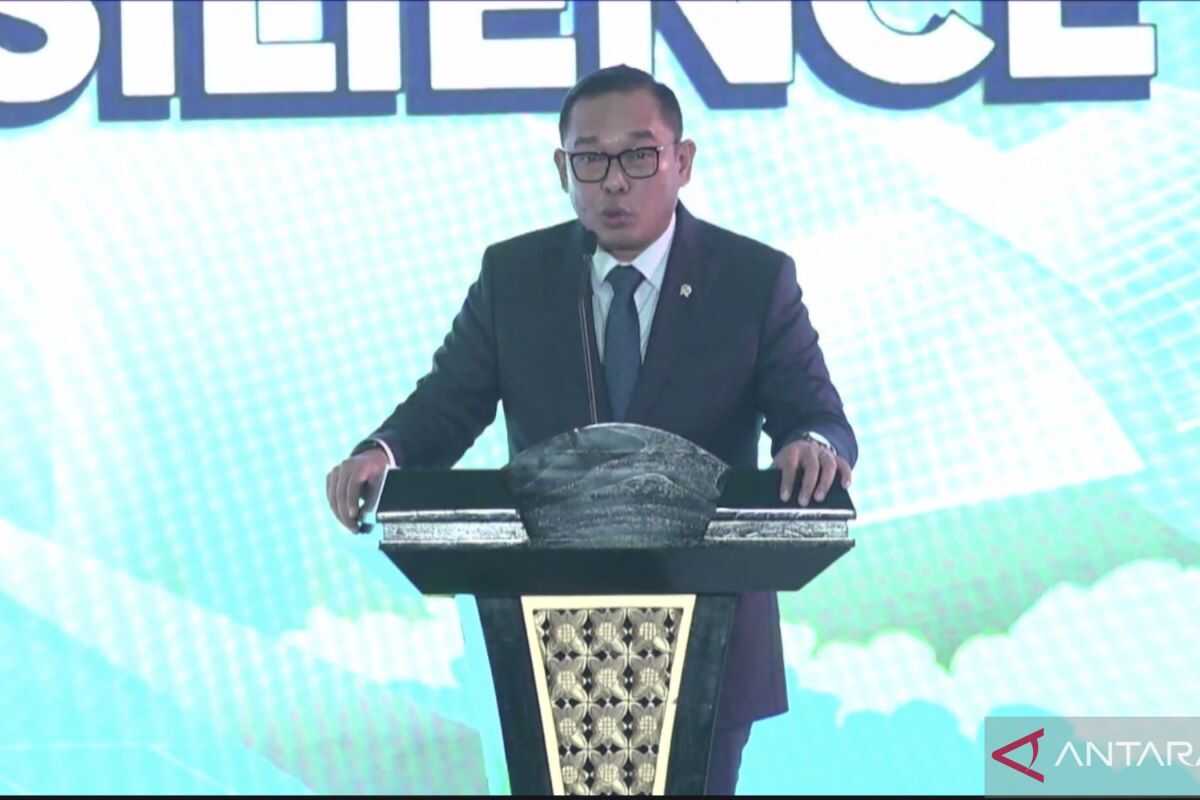
Jakarta (ANTARA) - Deputy Minister of Investment and Downstream Processing/Deputy Head of the Investment Coordinating Board (BKPM) Todotua Pasaribu is pushing for oil and gas downstream processing to serve as Indonesia’s entry point into the petrochemical industry.
“We see oil and gas as strategic. Beyond energy security, we are also talking about our penetration into the petrochemical industry,” Todotua said at Pertamina Investor Day in Jakarta on Wednesday.
Todotua explained that the majority of petrochemical materials originate from oil and gas. One industry trend linked to petrochemicals that has drawn his attention is the fertiliser industry, whose primary raw material is ammonia.
“Ammonia comes from gas, along with derivative products such as methanol and others,” he said.
Todotua therefore emphasised that incoming domestic investment must be directed towards strategic projects and contribute to the downstream processing programme with competitively priced products.
“This is precisely what we need to regulate together, so that in our penetration into downstream industries, the derivative products will already be competitive,” Todotua said.
He previously disclosed that investment realisation in the second quarter of 2025 reached Rp475 trillion, higher than the first quarter figure of Rp465 trillion. Todotua expressed hope that investment realisation in the third and fourth quarters would meet targets, noting various global economic challenges that could affect investment flows.
At the same forum, President Director of PT Pertamina (Persero) Simon Aloysius Mantiri offered 19 projects worth US$9.25 billion, equivalent to approximately Rp150 trillion, to prospective investors and partners.
“There will be opportunities to interact with Pertamina’s subholding companies and explore business cooperation across 19 projects worth US$9.25 billion,” Simon said at Pertamina Investor Day.
Pertamina has two pillars as its long-term focus. The first pillar is maximising business oriented towards strengthening national energy security, including the upstream sector, refineries, and fuel distribution. The second pillar is developing low-carbon business through biofuel development, geothermal energy expansion, new technology trials, and chemical product enhancement.