
Deputy Interior Minister Urges Accuracy in Disability Data for Targeted Assistance
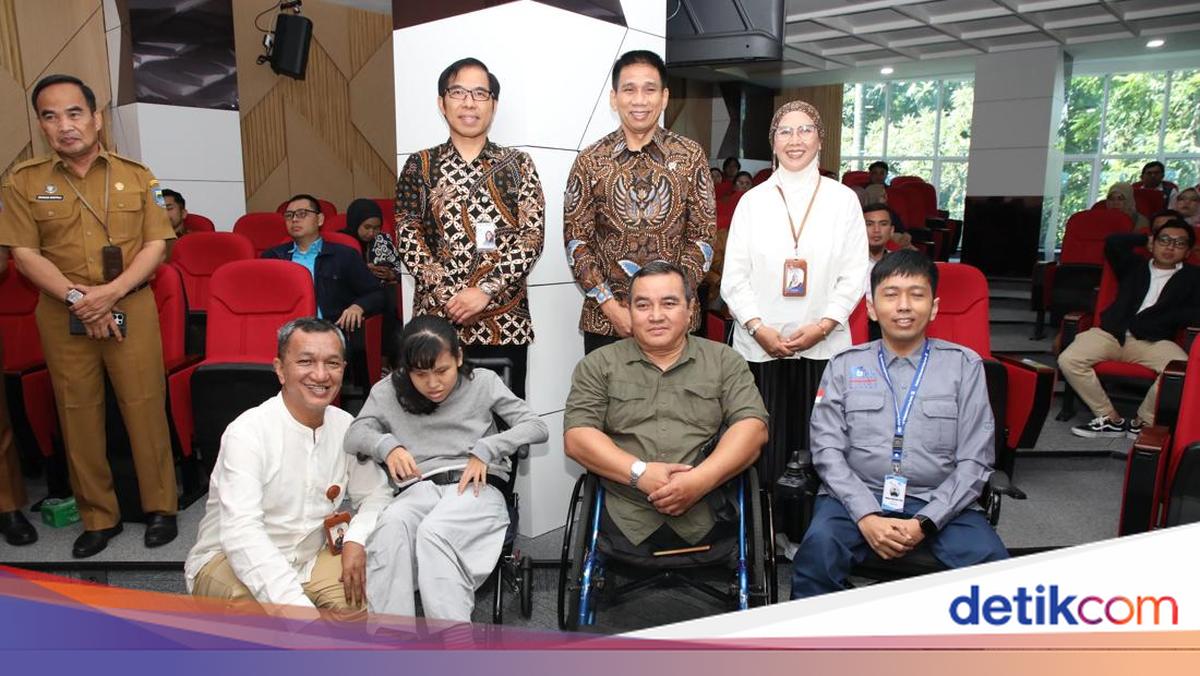
Deputy Interior Minister (Wamendagri) Akhmad Wiyagus has stressed that the state is committed to ensuring that people with disabilities are not left behind in fulfilling their human rights and population administration services.
According to him, data collection is not merely an administrative process but a form of the state’s presence in recognising and protecting all citizens.
“No person with a disability should go unrecorded, and no one should be denied their rights. This is not a slogan. This is our standard of work,” he asserted in a written statement on Monday (20/4/2026).
Wiyagus explained that the Ministry of Home Affairs (Kemendagri) continues to strengthen an inclusive data collection system based on names, addresses, and conditions, including specific recording of disability types. This data is directed to become part of the National Single Social and Economic Data (DTSEN) to make the distribution of aid and public services more targeted.
“This integration is an important step to unify various data sources into a single national reference that can be used by all ministries, institutions, and regional governments,” he clarified.
Furthermore, through the issuance of Minister of Home Affairs Regulation Number 6 of 2026, which revises Minister of Home Affairs Regulation Number 109 of 2019, the government has officially changed the term ‘disabled persons’ to ‘people with disabilities’ in line with Law Number 8 of 2016. This policy is also supported by cooperation with the Thisable Foundation to strengthen the fulfilment of rights and the accuracy of data collection for people with disabilities.
From the implementation side, Wiyagus also outlined the achievements of the Indonesia Aware of Population Administration Movement (GISA) up to 31 December 2025. Through the Civil Registry and Population Affairs Offices (Dukcapil) in various regions, the government has issued population documents for 722,229 people with disabilities via a door-to-door approach, where officers actively visit to record data and update administration.
“Inclusive development can only be realised if no citizen is left behind,” Wiyagus added.
At the end of the event, Wiyagus called on all stakeholders to strengthen collaboration so that the fulfilment of rights for people with disabilities becomes an integral part of national development. He also expressed appreciation to the National Commission on Disabilities (KND) and Telkom University for launching an educational video on updating disability data.
“This initiative is a strategic step in increasing public understanding and encouraging active community participation in the data collection process,” Wiyagus concluded.