
Deputy Home Affairs Minister Says First Quarter Papua Special Autonomy Funds Disbursed to 16 Regions
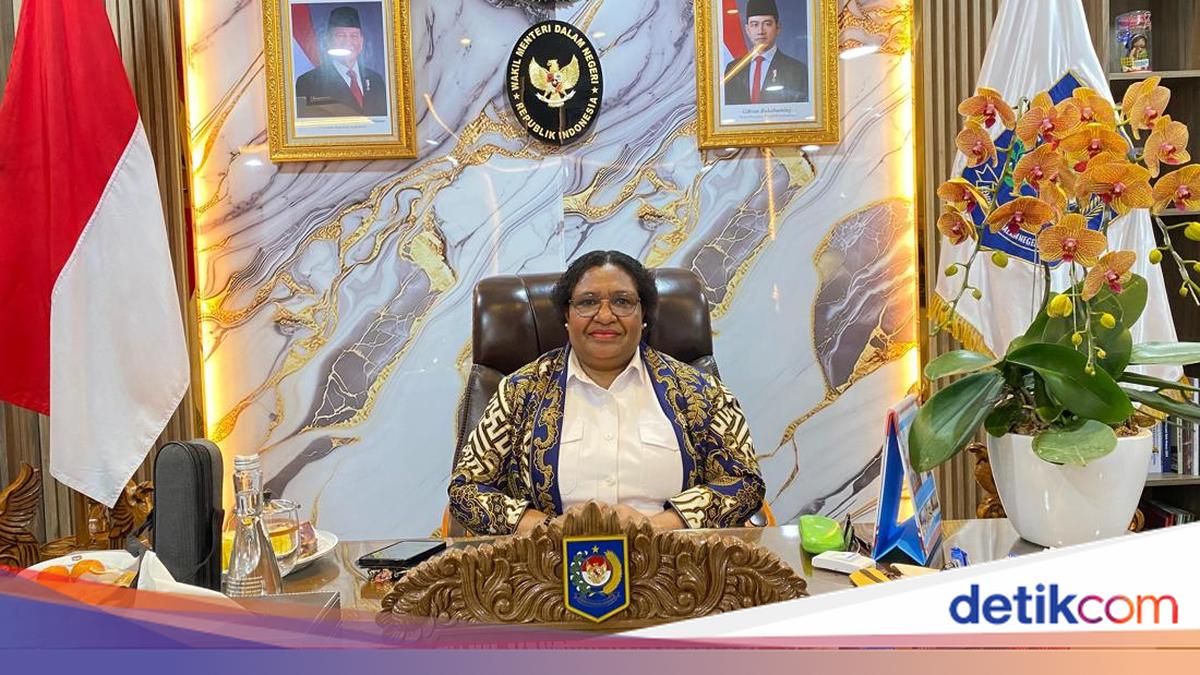
Deputy Minister of Home Affairs Ribka Haluk announced that the first-quarter Special Autonomy (Otsus) funds for the 2026 fiscal year have been disbursed to 16 regions across Papua.
The disbursement was carried out after regional governments fulfilled all stipulated administrative requirements and procedures.
“A number of regions have already realised the 1 per cent and 1.25 per cent Special Autonomy funds as they have met all the administrative requirements and procedures set out,” Ribka said in a statement on Tuesday (24/2/2026).
According to data from the Ministry of Home Affairs as of 19 February 2026, the first-quarter Special Autonomy funds had been transferred to the Regional General Treasury Accounts (RKUD) of 13 regional governments. These include Asmat Regency, Biak Numfor Regency, Boven Digoel Regency, Jayapura Regency, Pegunungan Bintang Regency, Supiori Regency, Yahukimo Regency, Jayapura City, Sorong City, South Manokwari Regency, Papua Province, South Papua Province, and Southwest Papua Province. A further three regencies — Merauke, Jayawijaya, and Sarmi — received their funds on 23 February 2026.
The total funds disbursed to each region comprise the 1 per cent Special Autonomy component, the 1.25 per cent component, and the Additional Infrastructure Fund (DTI). The amounts received by each region vary. For instance, Papua Province received Rp166.38 billion, South Papua Province Rp91.56 billion, Southwest Papua Province Rp84.61 billion, Yahukimo Regency Rp142.06 billion, and Pegunungan Bintang Regency Rp94.90 billion.
Furthermore, Ribka explained that this year’s disbursement is the fastest since the implementation of the Special Autonomy Law. For the first time, the first phase of disbursement began in February, earlier than in previous years when it typically took place in April or May.
She said the acceleration was supported by improved interoperability of regional financial systems through the integration of the Regional Government Information System (SIPD), the Regional Financial Information System (SIKD), and Bappenas’s planning system.
“There has been an acceleration and improvement in the governance of Special Autonomy fund disbursement in 2025 and 2026. System interoperability has been very helpful in improving disbursement performance,” she explained.
On the other hand, she highlighted regions that have yet to complete the disbursement requirements for the first-quarter Special Autonomy funds. Ribka urged the relevant governors, regents, and mayors to promptly fulfil all their obligations so that public services in the first quarter, particularly from January to March, can operate optimally.
She emphasised that the Special Autonomy funds are focused on priority sectors such as education, health, and infrastructure. As such, the timeliness of disbursement has a significant impact on the benefits received by the public.