
Deputy Finance Minister Juda Highlights Regional Reliance on Commodities and Central Transfers
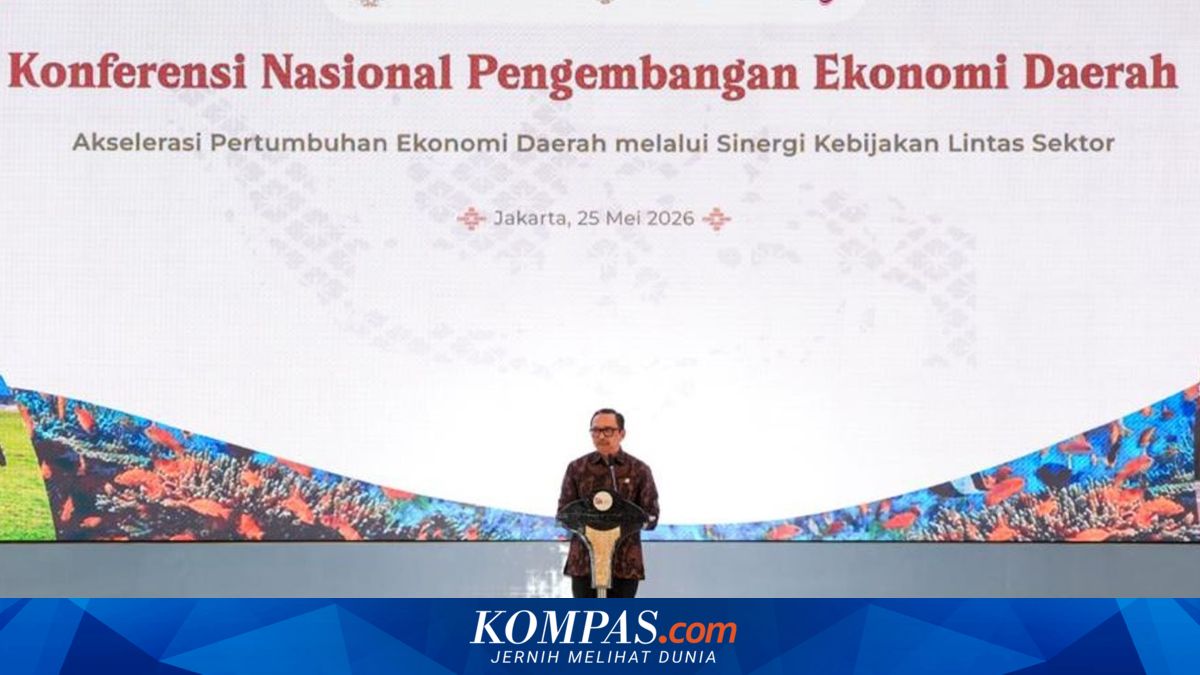
JAKARTA - Deputy Finance Minister Juda Agung has highlighted the continued heavy reliance of several regions on primary commodities and central government transfers. Meanwhile, regional spending quality is still not fully productive, dominated by personnel and goods expenditure. According to Juda, strengthening regional economies is key to supporting inclusive and sustainable national economic growth, as national growth fundamentally stems from local economic activities. He stated that community economic activities—from traditional markets, SME hubs, industrial zones to agriculture and household sectors—form the bedrock of national growth. Therefore, the government is promoting cross-sectoral synergy and policy integration between central and regional authorities. ‘Growth does not begin with tables and numbers; it starts when central and regional policies move in tandem and benefits reach households,’ Juda said. During the event, Juda outlined three main challenges facing regional governments in bolstering local economies: First, the need for regional economic diversification to avoid over-reliance on primary commodities. Second, improving the quality of regional spending to be more productive and directly impactful for communities. Third, limited fiscal capacity of regions. He noted many regions remain heavily dependent on transfers from the central government. Meanwhile, regional expenditure allocations are not optimally utilised to drive economic productivity. To address these issues, the Ministry of Finance continues to strengthen support through transfers to regions (TKD), creative financing, and boosting local revenue (PAD).