
Deputy Environment Minister: Waste Management at Cirebon Station Improving
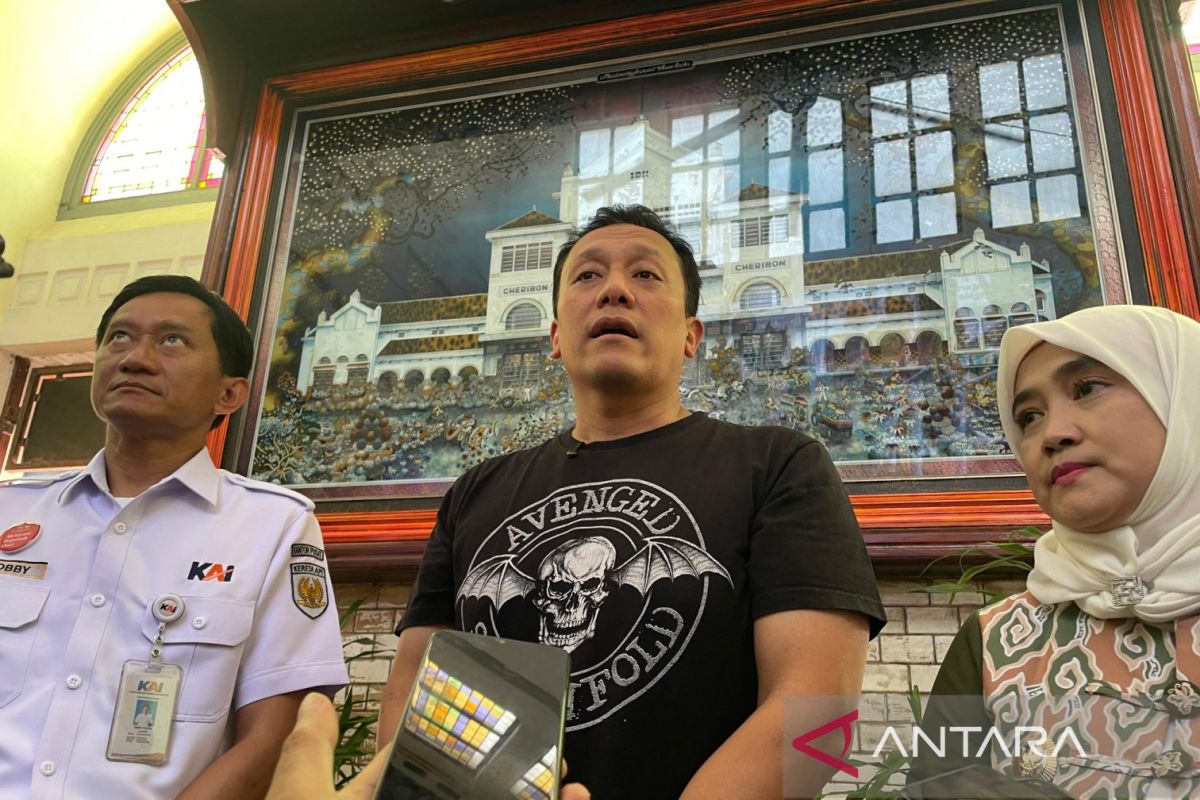
Cirebon (ANTARA) — Indonesia’s Deputy Environment Minister Diaz Hendropriyono has stated that Cirebon Station in West Java is implementing improved waste management ahead of the Eid 2026 exodus period, thereby reducing the burden on the final disposal site (TPA).
Diaz said the Ministry of Environment (KLH) conducted a direct inspection of waste management readiness at the station, as public mobility is expected to increase significantly during the exodus period.
“We from KLH want to focus on waste processing, because during the exodus there will definitely be greater waste accumulation,” said Diaz during an inspection of Cirebon Station on Saturday.
He explained that the surge in passenger numbers could increase the volume of waste in the station area, necessitating a more optimal management system from the source itself.
According to him, the waste management facilities prepared by PT Kereta Api Indonesia (Persero) or KAI at Cirebon Station have shown progress compared to previous conditions.
Diaz commended the construction of a waste sorting facility measuring 30 by 6 metres, which can be used to separate waste before it is sent to the TPA.
“Now there is already a facility building for waste sorting. We also discussed how waste management here could be more optimal,” he said.
Therefore, he encouraged cooperation with waste banks in the surrounding Cirebon area so that waste with remaining economic value could be reused.
“For waste that still has high value, it can be collected by waste banks, whilst waste with low economic value is then taken to the TPA,” he said.
This step, said the Deputy Environment Minister, is expected to reduce the volume of waste entering the TPA belonging to Cirebon City Government, which is currently in the process of transitioning from an open dumping system to a sanitary landfill.
In addition to the waste sorting facility, Diaz also highlighted the provision of drinking water dispensers in the station area that passengers can use to refill drinking water.
He hopes this facility can help reduce the use of single-use plastic bottles if passengers bring their own tumblers.
“If the public brings a tumbler, they can fill up with drinking water free of charge, thus reducing plastic waste,” he said.
Meanwhile, PT KAI Chief Executive Bobby Rasyidin said the company continues to improve service quality by emphasising cleanliness, health, and comfort for passengers.
According to him, waste management at the station is also part of the effort to make the station an example of good environmental management in public spaces.
“We want to create a model station with ideal waste management so that it can become a benchmark for other public locations,” said Bobby.