
Deputy Chair of MPR: Women's participation in STEM is a national investment
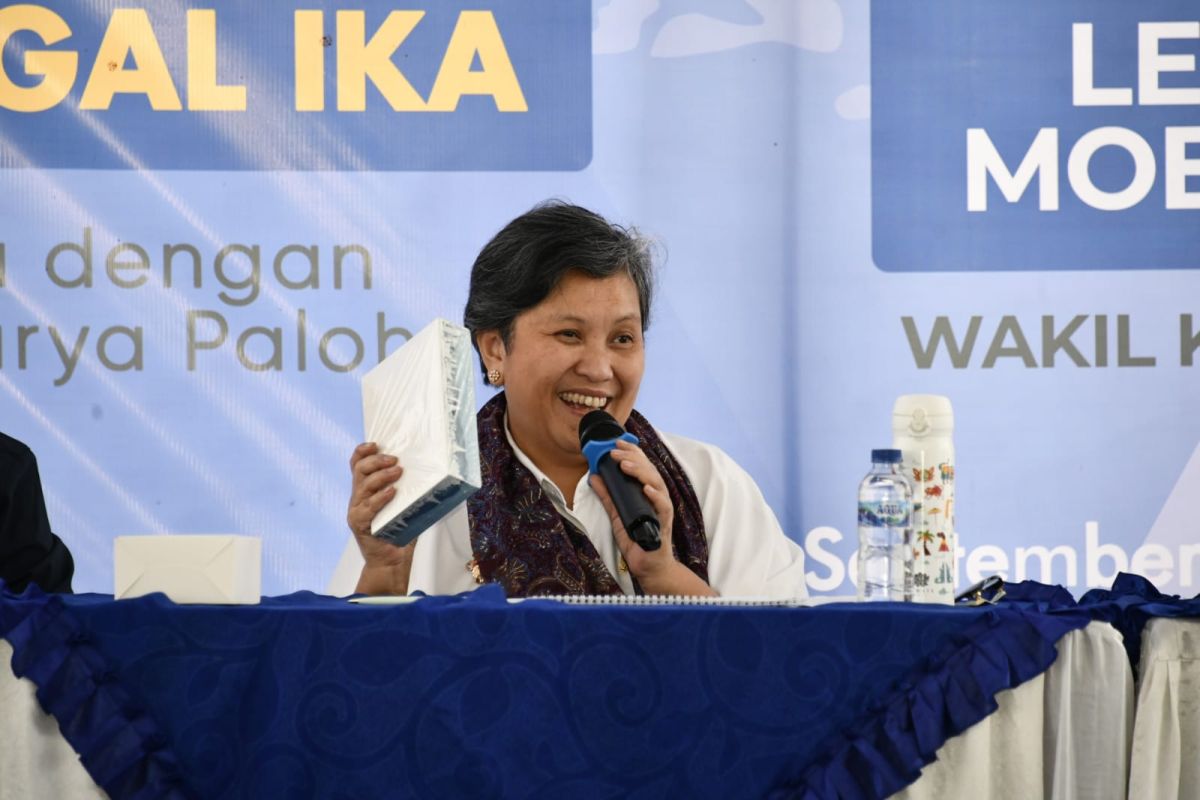
Jakarta — Vice Chair of Indonesia’s People’s Consultative Assembly (MPR) Lestari Moerdijat has stated that women’s participation in science, technology, engineering and mathematics (STEM) represents a strategic investment to strengthen Indonesia’s competitiveness and innovation in the future.
According to her, various data demonstrates the persistence of gender gaps in STEM fields, both in education and the workplace. Yet the STEM sector constitutes the primary foundation for knowledge-based economic development and digital transformation.
“Many women have achieved excellent results in science and mathematics, but they still face social barriers and gender stereotypes that limit their participation,” said Moerdijat, commonly known as Mbak Rerie, in Jakarta on Monday.
She presented data from the International Labour Organization (ILO) from 2024 showing that women comprise only approximately 35 per cent of STEM graduates in Indonesia, whilst women actually working in the sector represent only around 8 per cent.
This means that most women with STEM education do not continue into careers in science and technology.
“This data demonstrates that the main problem is not women’s academic ability,” she said.
According to her, barriers often emerge from early childhood through social expectations that shape girls’ self-confidence in science and technology. Unconsciously, she said, this condition leads many women not to view STEM as a realistic career pathway for themselves.
On the other hand, Moerdijat noted that demand for technology-based workers continues to increase alongside developments in the digital economy and artificial intelligence.
For this reason, efforts to expand women’s participation in STEM represent a strategic step to ensure Indonesia has sufficient human resources to face global changes.
“If half of the nation’s intellectual potential is not given equal space to develop, then we lose a major opportunity to strengthen innovation and national competitiveness,” she said.
To this end, Moerdijat also urged the education system and human resources development policies to give greater attention to strengthening women’s participation in science and technology fields.
Schools and universities, she said, need to create inclusive learning environments and provide space for women to participate actively in research, scientific discussion, and academic leadership.
She was confident that developing an inclusive educational ecosystem would open wider opportunities for young women to contribute to innovation, technology and science.
“By opening broader access for women in STEM, Indonesia not only achieves gender justice, but also strengthens the foundation of developing innovative and competitive human resources,” she said.