
Deputy Chair of MPR Highlights Low National Literacy Development Index, Risks to National Competitiveness
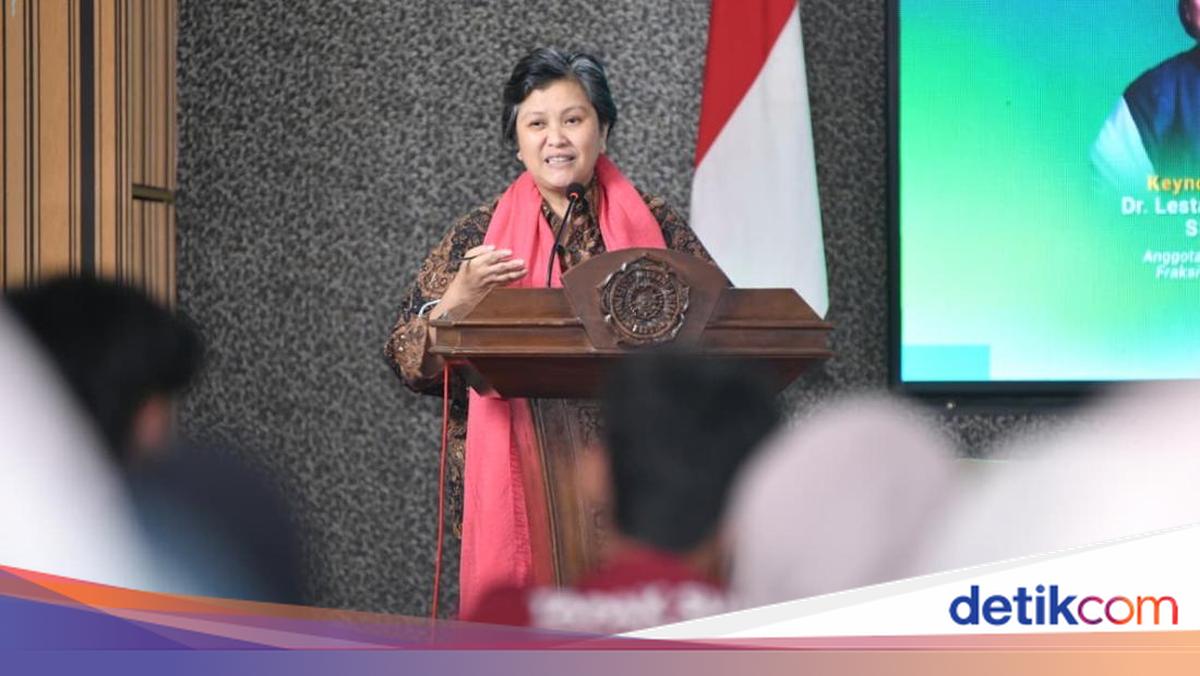
Deputy Chair of Indonesia’s People’s Consultative Assembly (MPR RI) Lestari Moerdijat has highlighted the country’s low National Literacy Development Index (IPLM). She warned that such a condition could pose a threat to the nation’s competitive advantage in the future.
“Nations with low literacy aspects will stumble when competing on the global stage,” Moerdijat stated firmly in her remarks on Sunday (15 March 2026).
The National Library (Perpusnas) previously disclosed that Indonesia’s current IPLM stands at 40.6. This figure was presented during a briefing on Thursday (12 March).
On a 0-100 assessment scale, the IPLM category is divided into Very Low (0-29.9), Low (30-49.9), Moderate (50-79.9), High (80-89.9), and Very High (90-100). With a score of 40.6, Indonesia’s IPLM remains in the low category.
The index is used by Perpusnas to assess the efforts of local governments in developing libraries and promoting public literacy culture.
Several elements measured in the IPLM include the distribution of library services, collections, library personnel, number of visitors, and community engagement. These indicators also serve as benchmarks in efforts towards Indonesia’s Golden Age 2045.
Moerdijat believes that literacy programmes must not operate in isolation. She emphasised the importance of coordination between central government, local governments, and literacy advocates through concrete action.
Moerdijat, who also serves as a member of Commission X of the House of Representatives, has called for library services to extend to remote villages. According to her, libraries must become community activity centres, not merely storage spaces for books.
Additionally, she argues that education departments must integrate literacy as a compulsory element in both curricula and extracurricular activities.
Most importantly, the senior member of the NasDem Party stated, local governments must oversee these various initiatives to improve public literacy.
“At present, the momentum exists to move forward. This nation needs a generation that is intelligent and of good character, and this starts with literacy. There is no such thing as an instant solution—what exists is sustained collaboration,” Moerdijat concluded.