
Deputy Chair of MPR: Domestic Worker Protection Bill an Important Step Towards Legal Certainty
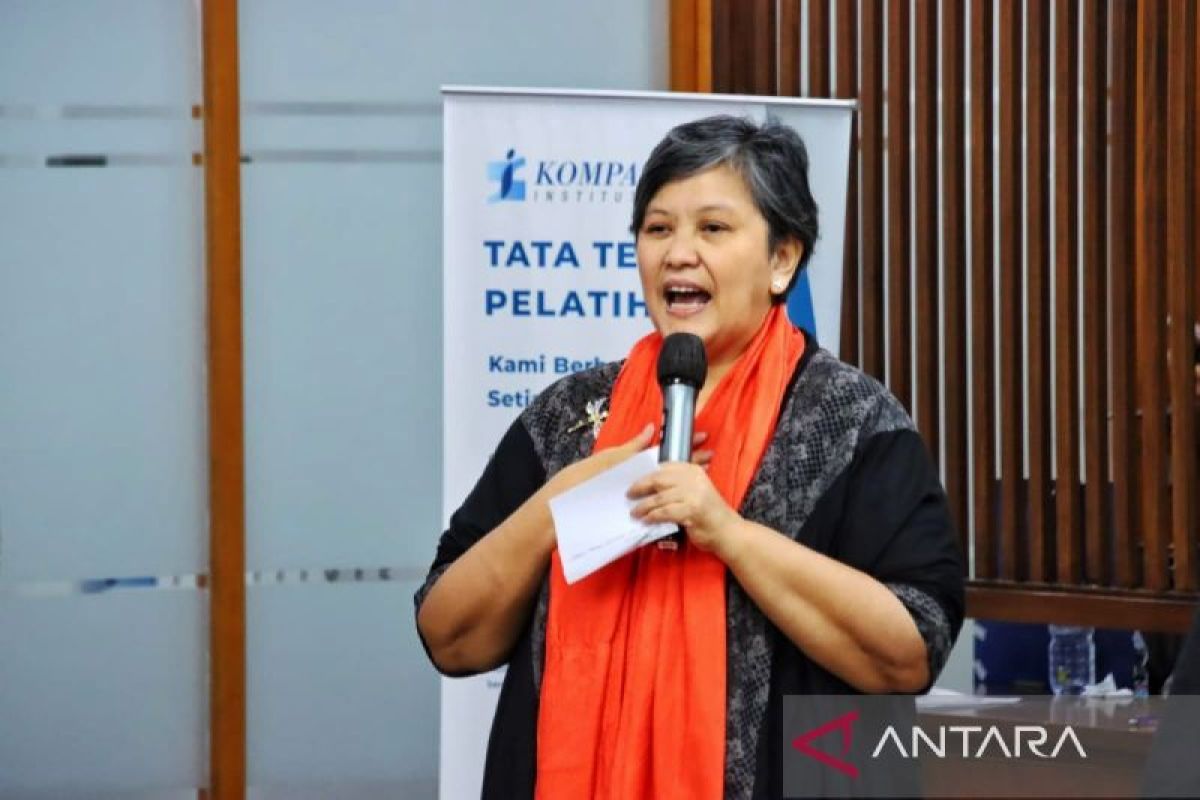
Jakarta – The Deputy Chair of Indonesia’s People’s Consultative Assembly (MPR), Lestari Moerdijat, has stated that the Domestic Worker Protection Bill (RUU PPRT), formally designated as a parliamentary initiative of the House of Representatives (DPR), represents an important step towards providing legal certainty and protection for domestic workers in Indonesia.
She explained that this regulation is vital for closing the legal protection gap that domestic workers have long experienced. “After a lengthy struggle spanning more than two decades, the designation of the RUU PPRT as a parliamentary initiative represents an important moment to deliver stronger protection for domestic workers in Indonesia,” Moerdijat said in Jakarta on Thursday.
According to her, the enactment of the Domestic Worker Protection Law will provide a clearer legal framework for work relations between domestic workers and employers, which to date have largely occurred informally without clear standards. “The Domestic Worker Protection Law is important to ensure certainty in work relations, protection from violence and exploitation, and recognition of domestic work as dignified employment,” she said.
She assessed that domestic workers have long been in a vulnerable situation due to the absence of comprehensive regulations concerning their rights, obligations, and legal protection mechanisms. “This bill is not merely about worker protection, but also provides legal certainty for all parties in domestic work relationships,” she stated.
Although designated as a parliamentary initiative, she emphasised that the legislative process must still pass through several stages before it can be enacted into law. These stages, she explained, include the issuance of a Presidential Letter to commence joint discussion with the government, submission of the Government’s Problem Inventory List, first-level discussion between the House of Representatives and the government, and second-level discussion at a plenary session of the House of Representatives for ratification.
To this end, she called on all interested parties to continue monitoring the RUU PPRT discussion process to ensure that the expected protection substance is genuinely realised in strong and implementable regulation. She also expressed appreciation to various parties who have consistently advocated for this regulation, including civil society organisations, non-governmental organisations, domestic worker communities, observers, academics, and various societal elements that have continued to voice support for and oversee the bill.
“This lengthy struggle is collective work. Over more than two decades, various parties have continued to push for domestic workers to receive appropriate protection. Appreciation goes to all elements that have consistently overseen this process,” she said.
She hopes the RUU PPRT discussion can proceed constructively, resulting in legislation that strengthens domestic worker protection whilst creating fair and dignified work relations. “Let us oversee together until the RUU PPRT is truly enacted into law,” she concluded.