
Deputy Chair of DPR Commission II: If 1-Day WFH Targets Private Sector, Format Should Be Recommendation
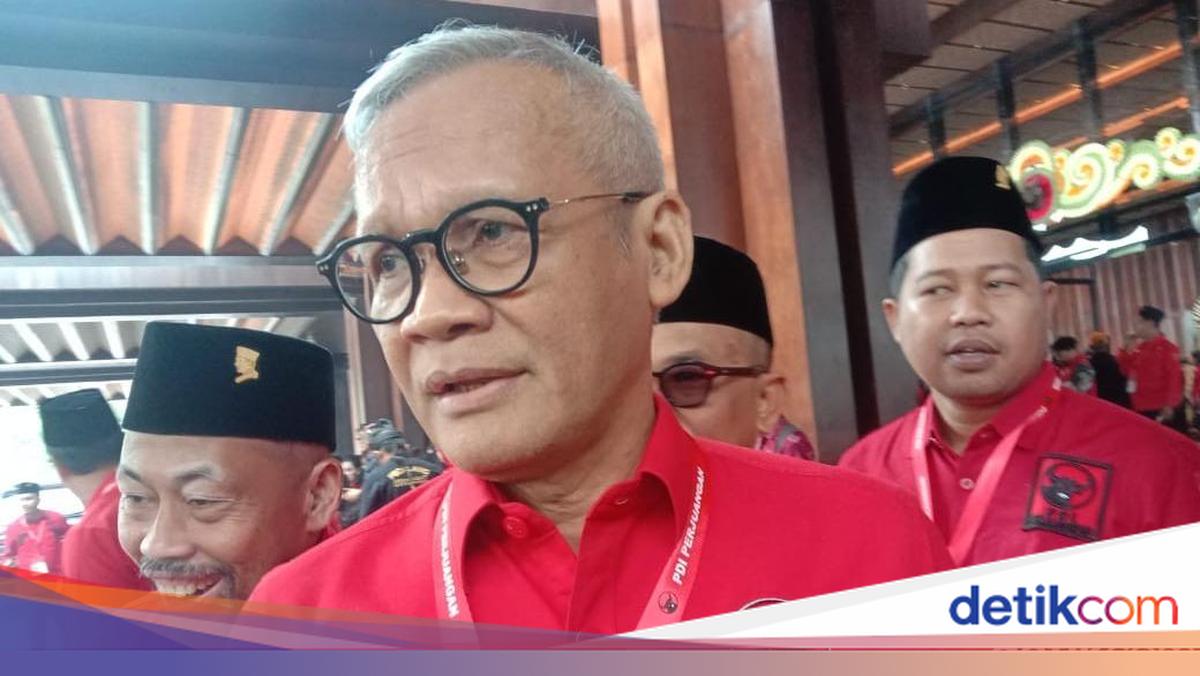
Deputy Chair of Commission II of the DPR, Aria Bima, views the policy of one day working from home or WFH per week as beneficial for energy savings. However, he considers the policy only suitable for the short term and should not be treated as the sole solution.
“This idea can be considered good as a short-term tactical step, but it must not be treated as the single solution to the problem of high oil prices,” said Aria Bima when contacted on Friday (27/3/2026).
He understands the Prabowo Subianto government, which is currently studying the flexible work scheme of one day in five working days for civil servants (ASN), private sector, and regional governments as a response to the surge in global oil prices. At the same time, he said, oil prices are indeed experiencing sharp fluctuations.
“So, if the question is whether this is a good idea, my answer is good if it is selective, measured, and temporary, not a one-size-fits-all policy,” he stated.
Nevertheless, Aria Bima understands that the policy logically can save fuel (BBM). However, he does not yet know how much the state can realistically save from one day of WFH.
“I also see the logic of fuel savings behind the proposal. If one day of commuter travel can be reduced, then daily transportation fuel consumption is very likely to decrease as well. However, I cannot confirm the national savings figure, because to date I have not seen the government release an official study containing the amount of fuel savings, reduction in congestion, or fiscal impact from the one-day WFH scheme per week. What the government has conveyed so far is only that the technicalities are being prepared,” he explained.
Next, Aria Bima discussed the private sector to ASN sectors affected by the one-day WFH policy per week. For ASN, he said, WFH implementation cannot be uniform.
“For ASN units whose work is administrative, document-based, digital-based, or back office, one day of WFH per week is quite rational. But for services that are face-to-face, field-based, or essential, the approach cannot be generalised. The Ministry of PAN-RB itself has emphasised that essential services must continue to operate optimally and flexible work arrangements are not additional holidays,” he continued.
Next, for the private sector, Aria said, the government must be more careful. He recommended that the policy be in the form of an appeal.
“If the one-day WFH policy is to target the private sector, in my view the format is more appropriate as an appeal, incentive, or sectoral regulation, not a uniform obligation for all companies. Manufacturing, logistics, retail, health, transportation, and public services industries are clearly different from sectors whose work is inherently digital,” he said.
Finally, he advised that fuel efficiency should not impact public services. He also encouraged the government to provide detailed explanations regarding the current situation.
“The most important thing is that the reason for saving fuel does not end up reducing the quality of state services to the public. If the government wants this policy to be strong, what is needed now is not just announcements, but open impact studies and clear evaluation parameters,” he emphasised.