
DEN urges public to save fuel to reduce imports amid global crisis
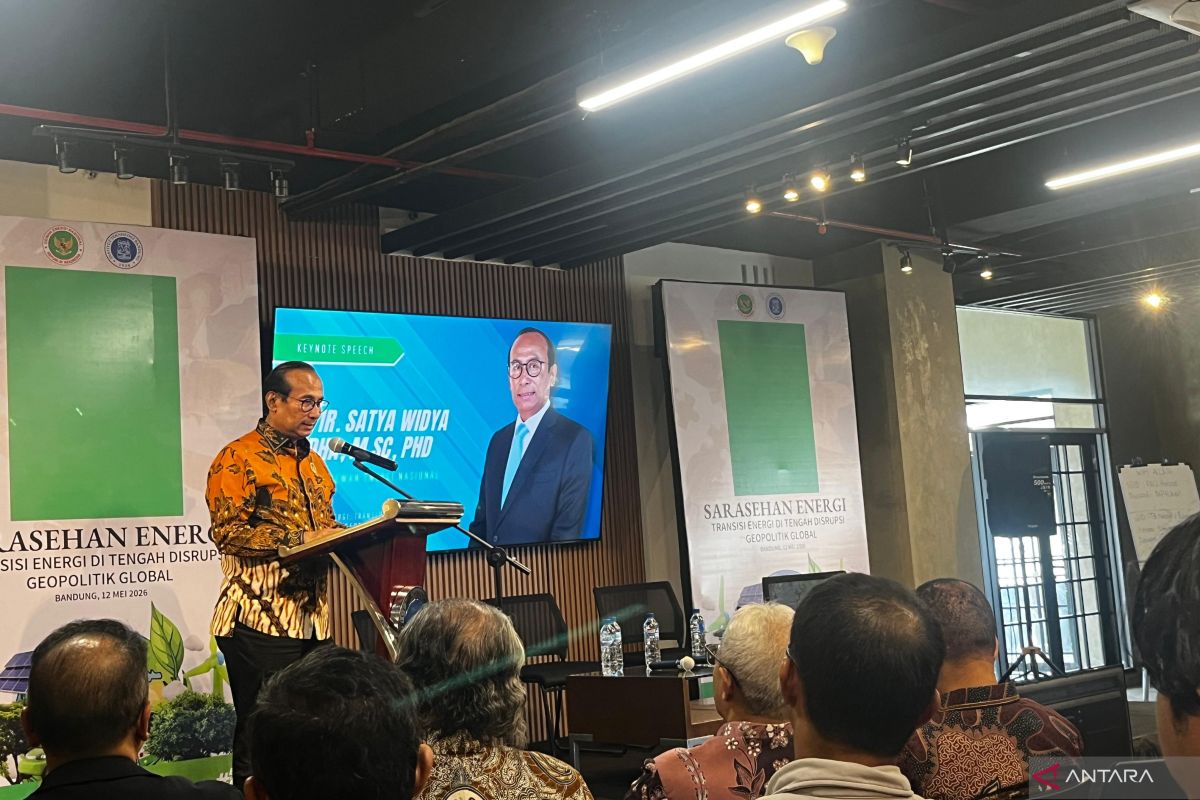
Bandung (ANTARA) - The National Energy Council (DEN) has urged the public to immediately implement widespread energy efficiency measures, particularly for fuel (BBM), to anticipate the impacts of global geopolitical uncertainties, especially due to the conflict in the Middle East threatening world energy price stability.
National Energy Council member Satya Widya Yudha emphasised that changes in lifestyle regarding energy consumption are the key to reducing Indonesia’s dependence on imported oil and fuel (BBM), which is vulnerable to international crises.
“We urge the public to practise efficiency. Yes, drive vehicles efficiently in efficient ways, maximising the use of public transport rather than private cars. That already reduces consumption. Insya Allah, for those who can afford it, use electric vehicles properly,” Satya said during an energy seminar titled ‘Energy Transition Amid Global Geopolitical Disruptions’ at the ITB Campus in Bandung, West Java, on Tuesday.
He added that by independently curbing BBM consumption, the country’s import burden can be significantly reduced.
“Thus, BBM consumption can be greatly suppressed. Our dependence on imports will certainly decrease,” he stated.
Despite the heating global situation, DEN notes that Indonesia’s current energy resilience remains at a safe level with an index score of 7.13 out of 10. Currently, the national operational BBM reserves are recorded at 21 to 28 days.
The government has also ensured a strong legal framework through Government Regulation No. 40 of 2016 to handle energy crisis and emergency conditions if extreme supply disruptions occur at any time.
As a long-term anticipatory measure from the upstream side, the government continues to strive to increase national energy reserves through accelerating domestic energy source production, developing new oil and gas fields, and advancing alternative energy to strengthen national energy independence amid global disruption threats.