
Demonstrating Solidarity, 8 Local Governments in North Sumatra Assist Aceh's Recovery through Inter-Regional Grants
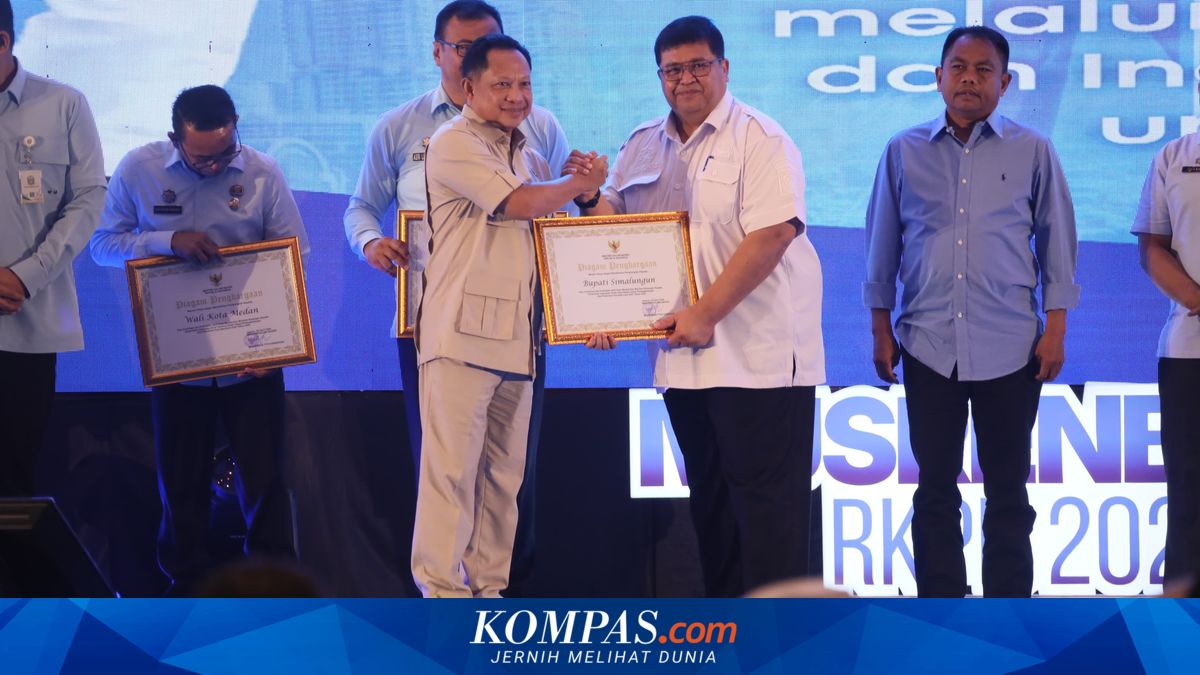
Eight local governments (pemda) in North Sumatra Province (Sumut) are committed to helping the recovery of disaster-affected areas in Aceh Province through the mechanism of inter-regional grants. This commitment follows Circular Letter (SE) No. 900.1.3/1084/SJ from the Minister of Home Affairs (Mendagri), which encourages non-affected regions to participate in the recovery of impacted areas as a manifestation of national gotong royong. The circular was issued by Mendagri Muhammad Tito Karnavian in response to the situation where several areas in Aceh did not receive refunds for Regional Transfer Funds (TKD). In contrast, some areas in Sumut received large TKD refunds despite only being lightly affected by hydrometeorological disasters at the end of November 2025. As Chair of the Task Force (Satgas) for Accelerating Rehabilitation and Reconstruction (PRR) Post-Disaster in Sumatra, Tito stated that this step is based on real needs in the field, particularly in Aceh regions still facing recovery challenges. Tito made this statement during the Musyawarah Perencanaan Pembangunan (Musrenbang) for Sumut 2027 in Medan on Wednesday (22/4/2026). Based on data from the Directorate General of Regional Financial Development (Ditjen Keuda) of the Ministry of Home Affairs as of 20 April 2026, the eight regions in Sumut that have expressed commitment to provide assistance are: [Note: Specific list of regions omitted in source text]. Tito emphasised that the value of this assistance will have a significant impact on accelerating recovery in affected areas, particularly for building permanent housing (huntap) and restoring government functions. He also assured that the inter-regional grant mechanism will be closely supervised by the central government through Ditjen Keuda to ensure distribution proceeds according to regulations and on target. Currently, disaster management in affected areas has entered a transition phase after the emergency response stage was declared complete. In general, basic services and infrastructure are starting to function again, although not yet fully permanent. “As of today, we consider that most are already functionally normal. Roads are not perfect yet, but they can be passed. The same goes for bridges, especially those that are national and provincial logistics routes,” said Tito.