
Demanding a Sense of Shame: Solutions to the Rubbish Tangle in Bali
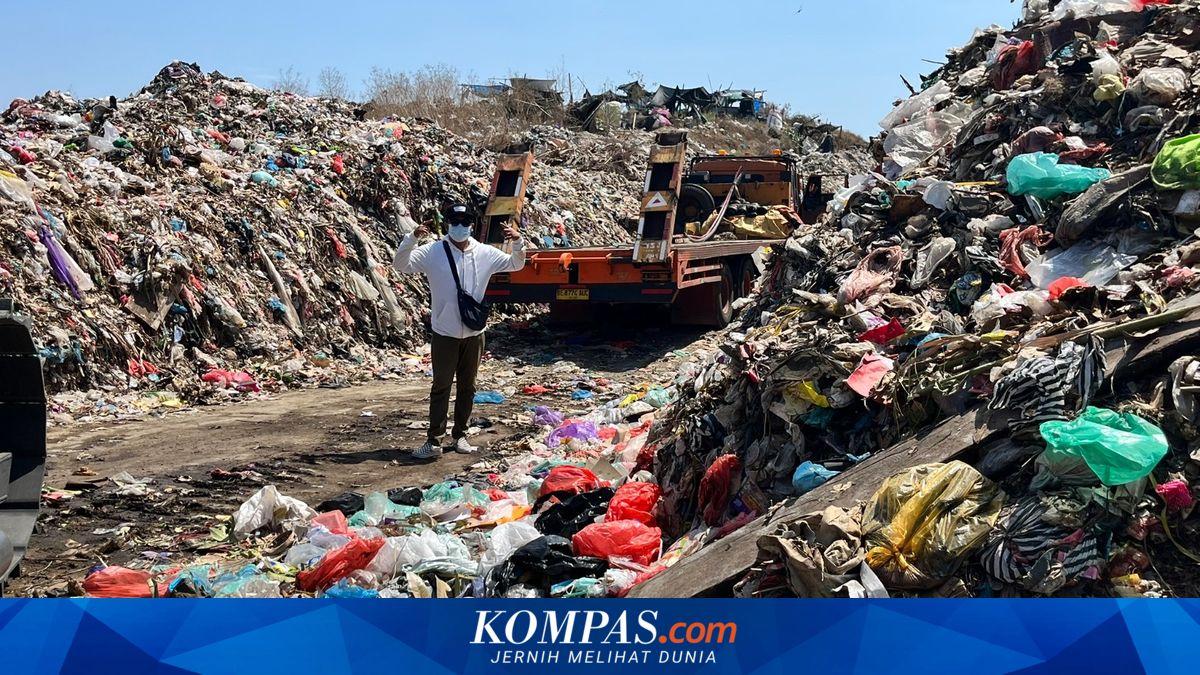
Mountains of rubbish wrapped in plastic bags, emitting foul odours, have become a commonplace sight for residents of Denpasar City and Badung in Bali, including in prime tourist areas such as Kuta and Canggu.
These piles of rubbish, mingled with a pungent stench due to delayed collection by rubbish trucks, are not only found in residential areas but also along pavements, vacant land, and have even filled several drains and rivers.
The rubbish accumulations in drains and rivers cause blockages in water channels, which contributed to the flooding in Denpasar, Kuta, and several other areas some time ago.
This phenomenon presents an ironic contrast to Bali’s image as the Island of the Gods, promoted as a tropical paradise with exotic landscapes and a magical cultural atmosphere for travellers from around the world.
If left unchecked, Bali’s premium image will decline to that of a second-class destination avoided due to sanitation problems.
Local and national media outlets have been reporting daily on the rubbish crisis in Bali.
As a result of the towering rubbish piles with no clear resolution, residents have resorted not only to dumping their waste in rivers but also to burning it themselves.
These incidents have caused smoke plumes and land fires in several locations in Denpasar.
The problems began when the Suwung landfill was forced to succumb. Following a major fire caused by a methane gas explosion at the end of 2023, the 32-hectare site can now only handle a load beyond its reasonable capacity.
Data indicates that Denpasar City produces 800 to 1,000 tonnes of rubbish daily, while Badung contributes around 430 to 500 tonnes.
In total, the Suwung landfill must accommodate an overflow of about 1,500 tonnes of rubbish every day.
The Bali Provincial Government, starting from 1 April 2026, has taken a firm policy by imposing a total ban on the disposal of organic waste at the Suwung landfill.
Previously, various regulations have been issued, starting from Regional Regulation Number 5 of 2011 and the Governor’s Regulation Number 47 of 2019 on Source-Based Waste Management.
In addition, local governments have actively built infrastructure at the village level through TPS3R (Reduce, Reuse, Recycle) and TPST (Integrated Waste Processing Sites), as well as conducting outreach to villages.