
Defence Ministry's Fuel Efficiency Measure: Precautionary Step, Not Due to Emergency Conditions
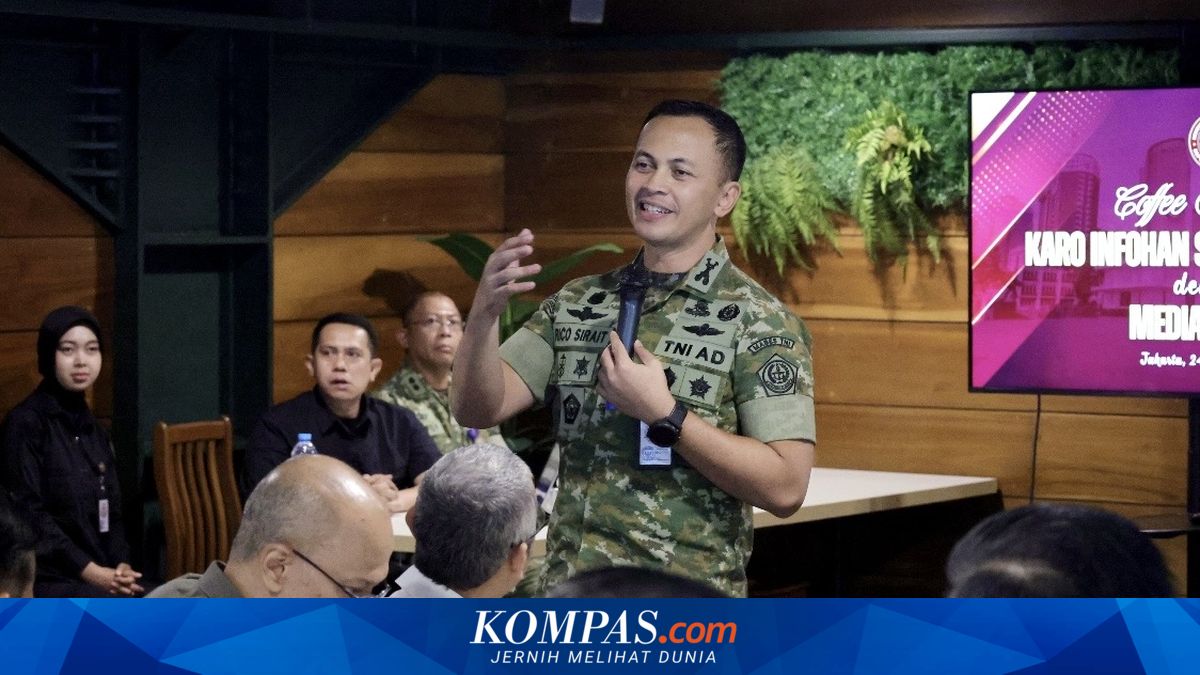
JAKARTA, KOMPAS.com - The Ministry of Defence (Kemhan) has emphasised that the fuel oil (BBM) efficiency policy is a prudent measure. Therefore, the Head of the Defence Information Bureau of the General Secretariat of Kemhan, Brigadier General TNI Rico Ricardo Sirait, stated that this policy is not being taken under emergency conditions. “This policy is being taken now as an anticipatory and prudent step, not because of an emergency situation,” Rico said when contacted by Kompas.com on Wednesday (25/3/2026). “So the basic indicator (for establishing the BBM efficiency policy) is the development of the global situation, particularly in the European and Middle East regions,” he explained. However, Rico did not specify how long this policy will last. “It will be adjusted based on evaluations of the situation and future needs. For defence BBM supplies, the principle is to ensure that support for strategic operational needs remains maintained,” Rico stressed. Rico said that this step is part of early mitigation to maintain economic stability and national resilience. “The government views the need for early mitigation to maintain economic stability and national resilience,” Rico stated in his remarks on Monday (23/3/2026). “As a follow-up, Kemhan and the TNI are carrying out internal adjustments that are administrative and managerial in nature,” he said. He explained that the efficiency is focused on support aspects, while strategic operations and defence readiness remain the top priorities that are optimally maintained. “The steps prepared include more effective and priority-based regulation of resource use, including in the operations of main weapon system equipment (alutsista) and official mobility,” he clarified. Several schemes prepared include adjusting workdays from five days to four days in certain functions that allow it. “Then, regulating the use of alutsista based on priority indices and operational needs, as well as limiting the use of official vehicles and employee shuttle transport while still considering the effectiveness of task implementation,” Rico explained.