
Defence Minister Inspects Batam Shipyards, Reviews Domestic Naval Vessel Construction Progress
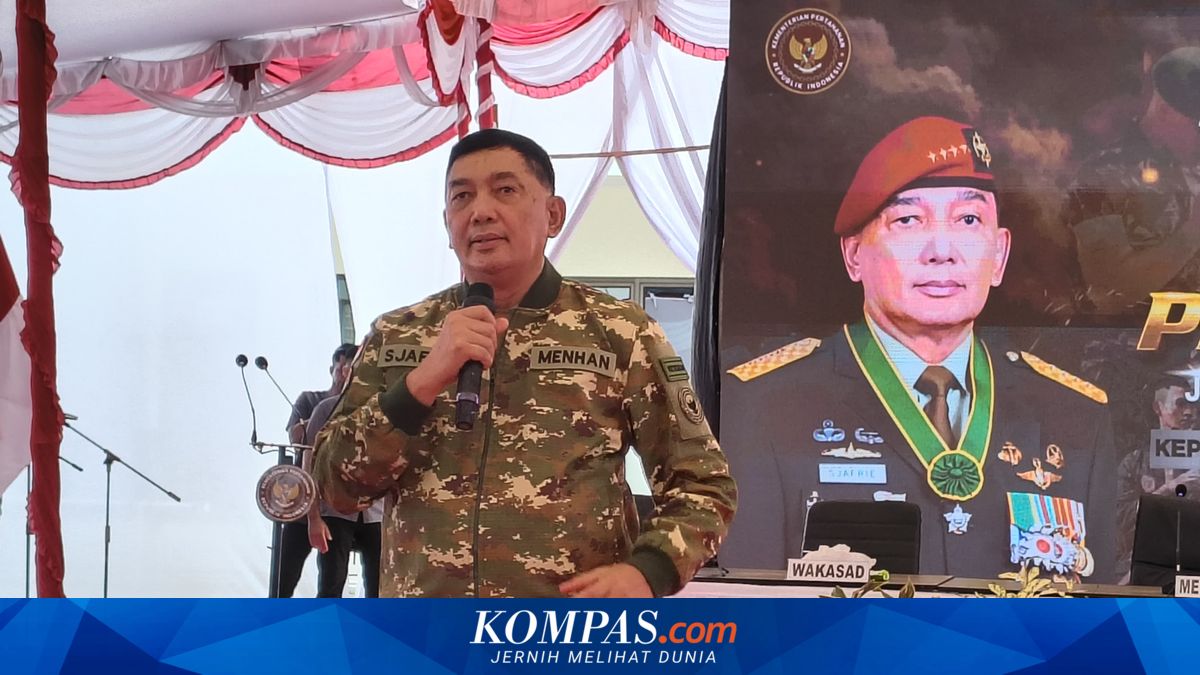
Batam — Indonesia’s Defence Minister Sjafrie Sjamsoeddin visited two domestic shipyards in Batam on Tuesday (17 March 2026): PT Palindo Marine Shipyard and PT Batamec Shipyard.
The visit forms part of the Defence Ministry’s commitment to promoting self-reliance in the national defence industry, particularly in the construction and maintenance of naval vessels as a key pillar of Indonesia’s maritime defence strengthening.
At PT Palindo Marine Shipyard, the Defence Minister reviewed several strategic projects currently underway, including the refurbishment programme for the TNI Navy’s fast patrol vessels (FPB-57 type). The shipyard is also involved in the procurement of Fast Missile Vessels (KCR 60) and the construction of light attack vessels to support TNI Navy operational requirements.
Sjafrie highlighted PT Palindo Marine Shipyard’s contribution to defence industry development through the Industrial Development, Knowledge & Local Offset (IDKLO) scheme, including international cooperation in the construction of hydro-oceanographic support vessels and technology transfer programmes.
“This is an important step in enhancing national technological mastery and strengthening the domestic defence industry ecosystem,” he stated.
The Defence Minister also visited PT Batamec Shipyard, which is currently constructing an Offshore Patrol Vessel (OPV-3) for the Defence Ministry. The vessel is designed with modern specifications, equipped with radar systems, sensors, and a combat management system to support patrol and surveillance operations of Indonesia’s maritime territory.
According to Brigadier General Rico Ricardo Sirait, Head of Information at the Defence Ministry’s Secretariat, synergy between government, industry, and the TNI is key to ensuring sustainable development of domestic defence equipment acquisition.
The working visit also served as an opportunity to ensure that each defence equipment procurement programme not only meets operational requirements but also generates multiplier effects for the national economy, including job creation, increased industrial capacity, and strengthened maritime sector capabilities as part of national strategic interests.