
Decent Wages and Social Protections Included in Domestic Workers Bill Proposals
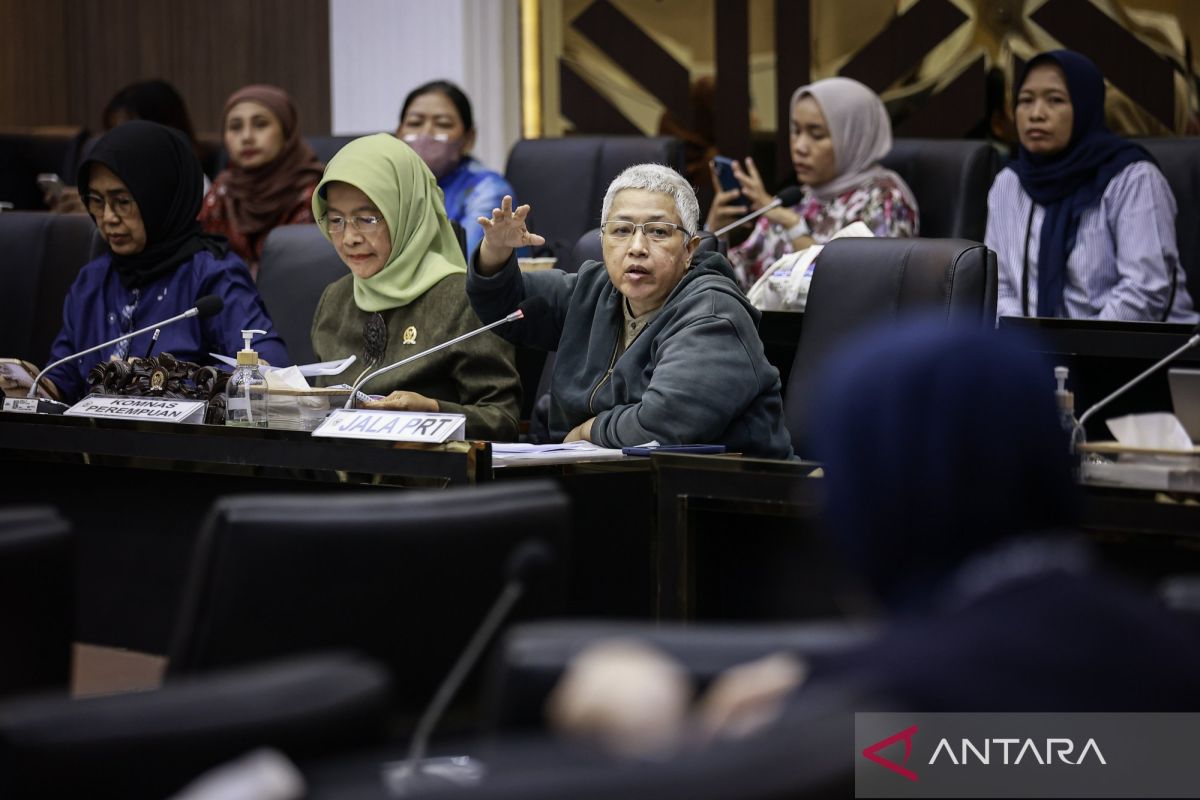
Jakarta — Multiple proposals from various stakeholders have been recorded from the results of a public hearing by the Indonesian Parliament’s Legislative Board in the drafting of the Domestic Workers Protection Bill (PPRT), ranging from proposals for domestic workers to receive fair wages to social security coverage.
Since the current parliamentary session began in 2024, the Legislative Board has held more than 10 meetings on the drafting of the PPRT Bill, inviting various ministries, institutions, and activist organisations to implement the principle of meaningful participation.
The Labour Ministry, one of the key ministries involved in the PPRT Bill, has proposed that the legislation provide for domestic workers to receive fair wages, working and rest hours, leave entitlements, protection from discrimination and violence, and occupational safety guarantees. Additionally, the Labour Ministry has also proposed special provisions regarding the characteristics of domestic workers and the diversity of service users, and that employment contracts should be clarified and made specific.
The Ministry of Primary and Secondary Education also submitted proposals for the PPRT Bill. The ministry has prepared a Skills Development and Entrepreneurship Education programme that can be utilised for prospective domestic workers.
The Social Ministry, in its participation in drafting the bill, has also proposed that local government heads conduct real-time data collection for domestic workers, as this will impact the provision of social assistance from the government. The Social Ministry also proposed that it be clearly stated in the bill that domestic workers are workers so they can be included in social security schemes.
Under Presidential Regulation No. 82 of 2018 on Health Insurance, workers are defined as wage earners and therefore there is no distinction between formal and informal workers.
In line with this, the Social Security Agency for Employment has also proposed that domestic workers be required to participate in social and health security protection programmes based on occupational risk. The Social Security Agency contributions are to be borne by employers despite the informal nature of the employment relationship.
In drafting the bill, the Legislative Board also invited the Indonesian Women Politicians Caucus to present its proposals. The caucus has called for domestic workers’ rights to include protection from physical, psychological, and sexual violence, discrimination, and access to drinking water, nutritious food, adequate accommodation, and social security.
Additionally, the caucus has proposed that employers must comply with prohibitions on exploitation practices such as human trafficking, forced labour, and fraud, with strict administrative and criminal sanctions.
In dispute resolution, the caucus has proposed that mediation be conducted in writing with clear timeframes, and if unsuccessful, proceed to formal legal channels. These proposals aim to create a domestic workers protection system that is fair, transparent, and responsive to social realities.
Previously, the Domestic Workers Protection Bill was approved as a parliamentary initiative that will affirm protection and guarantees for domestic helpers. The approval was taken at the 16th Plenary Session of the Indonesian Parliament in the fourth sitting period of the 2025–2026 parliamentary year at the parliament complex in Senayan, Jakarta, on Thursday 12 March, after representatives from each political party faction presented their views.
“Is the proposed Domestic Workers Protection Bill (PPRT) by the Legislative Board approved as a parliamentary proposal?” said Speaker of the Indonesian Parliament Puan Maharani as she tapped the gavel to signify endorsement.