
Decades of Tidal Flooding Turn Stilt-House Homes into a New Oasis for Muara Angke Residents
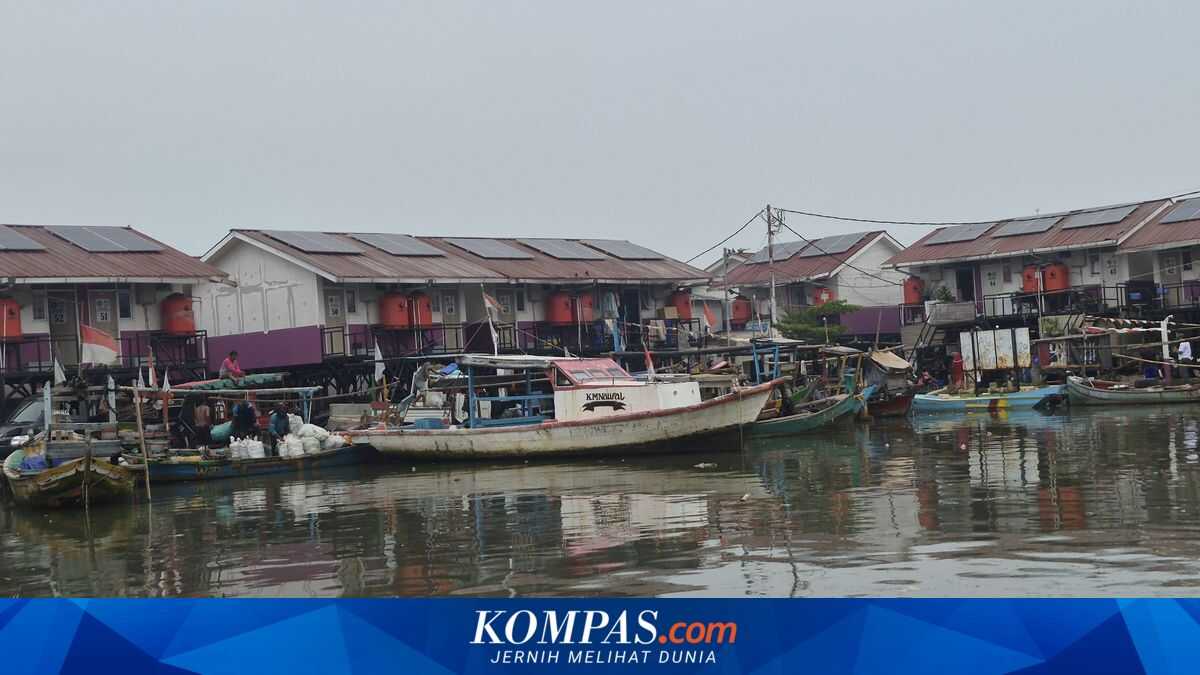
JAKARTA, KOMPAS.COM – The government-initiated programme to build stilt houses and floating houses offers new hope for residents of Blok Empang Kerang Hijau, RW 22, Muara Angke, North Jakarta. After decades living with tidal flooding, many residents can now live more safely and comfortably thanks to housing designed to withstand sea inundation. The Head of RW 22 Muara Angke, Bani (46), said the programme began from a visit by the Ministry of Defence (Kemenhan) to the area in 2024. At that time, the Empang Kerang Hijau area was among the worst affected by tidal flooding. The Ministry of Defence, led by Defence Minister Prabowo Subianto, built around 200 stilt houses and floating houses as a flood mitigation measure for residents who had long resided along the coast. After Prabowo was sworn in as President of the Republic of Indonesia, the programme to construct flood-mitigation housing was continued by the Minister of Housing and Settlement Areas (PKP) Maruarar Sirait. Through the continuation, the government built 30 additional stilt houses for residents who had previously not received quotas. In total, the government has built around 213 stilt houses and 17 floating houses in the Blok Empang Kerang Hijau area, Muara Angke. Bani revealed that initially the construction of stilt houses was opposed by some residents. He said the concerns arose because there was a belief that houses built by the government could ease the process of eviction. In fact, the housing construction programme was provided free of charge as government assistance to residents who had long been affected by tidal flooding. One resident who had briefly refused to have his house built as a stilt house was Udin (49). According to Udin, his objection was not because he disliked the concept of stilt houses, but rather due to the size of his land.