
Death Toll from Middle East Conflict: Iran Hardest Hit
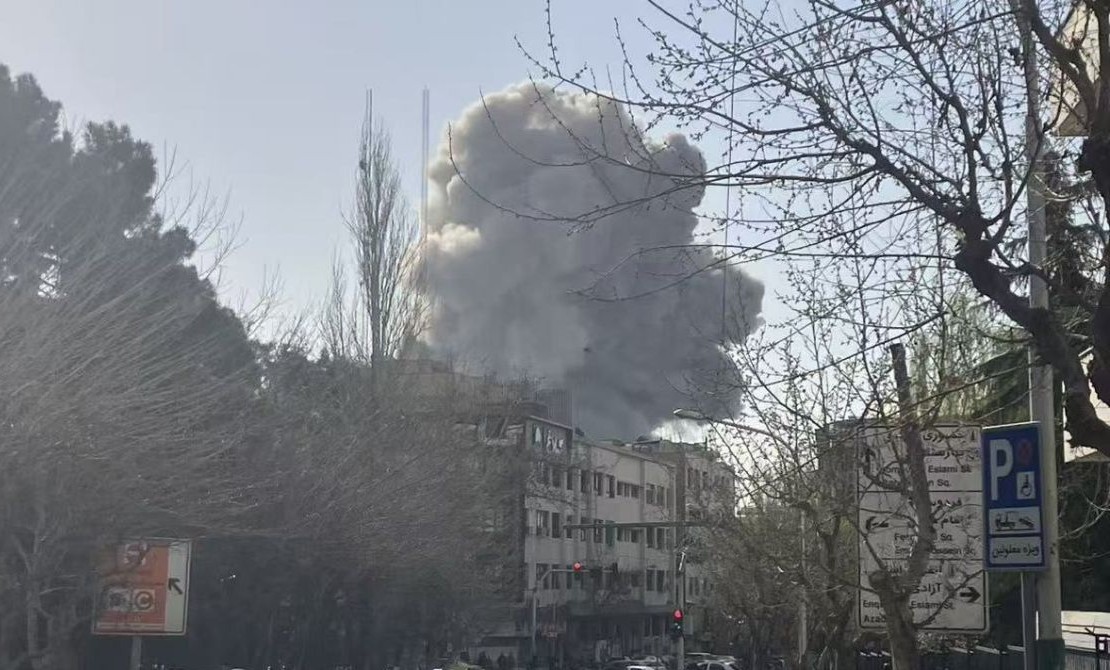
Death tolls continue to rise across various Middle East countries following military strikes launched by the United States and Israel against Iran on 28 February. The conflict, initially centred on Iran, has since spread to multiple nations throughout the region. According to data from government reports, military sources, health authorities, and rescue organisations in affected countries, Iran has reported the highest casualties.
Iran’s Health Ministry reported on 8 March that over 1,200 people had been killed in the strikes. Among the victims were approximately 200 women and 200 children under 12 years of age. Additionally, more than 10,000 civilians were reported to have sustained injuries.
Meanwhile, the US-based monitoring organisation, the Human Rights Activists News Agency, reported on 11 March that the death toll had reached at least 1,825 people.
According to HRANA, the victims comprised 1,276 civilians, including at least 200 children, as well as 197 military personnel. A further 352 victims remained unclassified.
Restricted media access in Iran has prevented journalists from independently verifying casualty figures at attack sites.
Israeli authorities reported a total of 14 deaths since the war began. Rescue teams cited Iranian missile strikes that killed 12 people in Israeli territory, including four minors. Additionally, the Israeli military announced that two of its soldiers died in fighting in southern Lebanon.
The Lebanese government stated that at least 773 people had died since 2 March in fighting between Israel and the armed group Hezbollah. Among the victims were 103 children. The Lebanese military also reported three of its soldiers killed. Hezbollah has not yet announced its casualty figures.
Gulf nations reported a total of 26 deaths since Iranian strikes began, with 11 of these being civilians and the remainder military or security personnel.
In Kuwait, six people died, comprising two soldiers, two border guards, and two civilians, including an 11-year-old girl.
The United Arab Emirates’ Defence Ministry reported six deaths—four civilians and two military personnel who died in a helicopter crash caused by technical failure.
Saudi Arabia recorded two civilian deaths. Bahrain also reported two fatalities. Oman’s maritime security centre reported one sailor killed at sea and two others who died in a drone attack in an industrial area. Qatar reported 16 injured with no deaths.
The US Central Command confirmed seven American military personnel killed, six in Kuwait and one in Saudi Arabia.
In Iraq, at least 46 people were reported dead since the conflict erupted. France stated that one of its soldiers was killed in an Iranian drone strike in Iraq’s Kurdistan region.
The US military also reported that a refuelling aircraft crashed in western Iraq, killing six crew members. This incident was stated to be unrelated to enemy strikes.
Armed groups affiliated with Iran reported that 32 of their fighters had died in strikes they alleged were carried out by the United States and Israel.
Kurdish rebel groups reported at least five militants killed in strikes allegedly conducted by Iran in northern Iraq.
Kurdish security sources stated that an airport guard was killed in a drone strike at Erbil airport. Additionally, one civilian was reported to have died from shrapnel following an attack southeast of Baghdad.
Jordan’s military reported that 14 people were injured by shrapnel from Iranian missiles and drones that fell across various parts of the country. No deaths were reported. In Syria, government media reported eight people injured from shrapnel resulting from exchanges between Iran and Israel.
Nevertheless, the President stated that Indonesia remained in a relatively secure situation. Indonesia’s government has called for clear security assurances from Saudi Arabian authorities, given that Indonesia is the world’s largest sender of Hajj pilgrims.