
DBS Bank maintains ASEAN equity outlook amid Middle East conflict
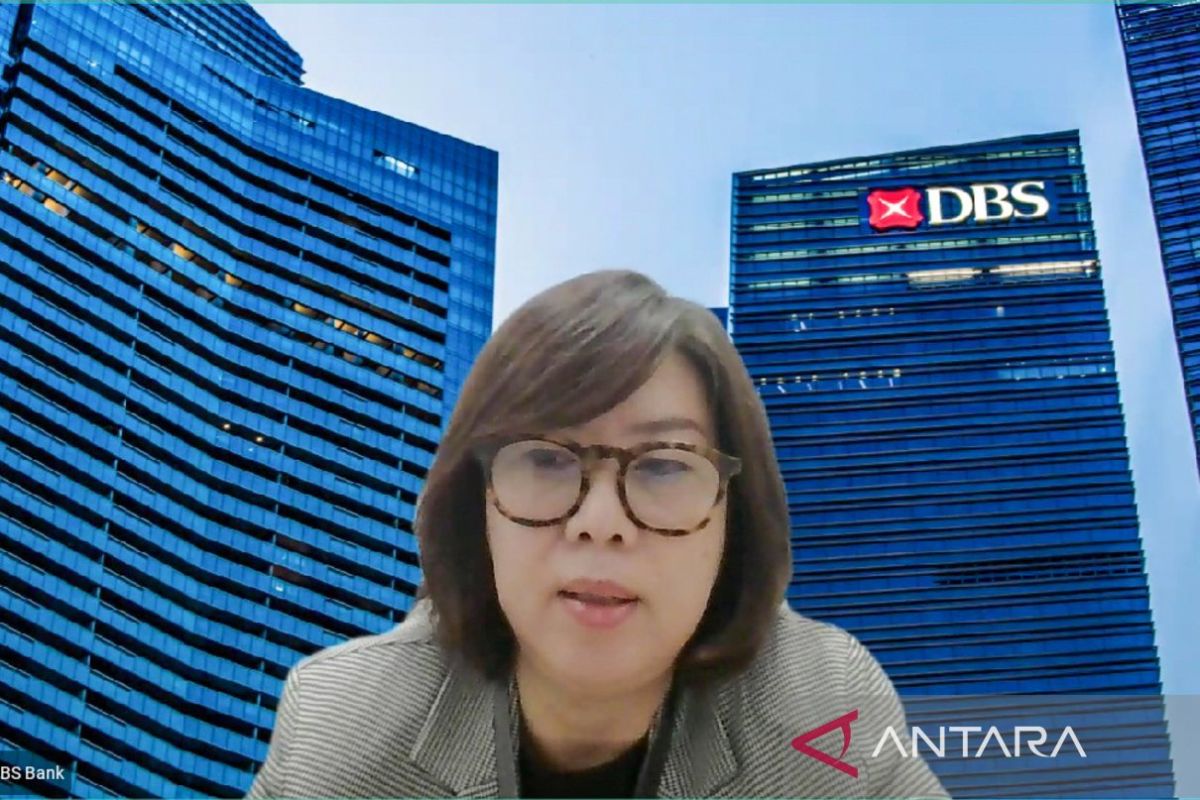
Jakarta — DBS Bank’s Senior Investment Strategist Joanne Goh stated that the bank is not changing its equity outlook for Southeast Asian countries (ASEAN members), including Indonesia, amid conflict in the Middle East.
She noted that the Middle East conflict has resulted in increased global oil prices and reduced projections for global economic growth. However, she assessed that Southeast Asian countries possess strong economic fundamentals as industrial nations and oil exporters.
“We believe the equity outlook for Southeast Asian countries is somewhat better compared to countries in North Asia,” Joanne Goh said during a DBS Chief Investment Officer (CIO) Insights media briefing webinar attended from Jakarta on Friday.
She cited Singapore as having strong macroeconomic conditions, making it a safe haven for foreign capital. Indonesia, meanwhile, has the potential to increase production and export capacity for various strategic energy commodities, including coal and palm oil.
The bank is optimistic that the crisis will end soon and will not significantly impact the equity outlook for Southeast Asian countries.
“We believe this crisis will not last long,” Joanne stated.
In the same session, DBS Senior Investment Strategist Daryl Ho assessed that rupiah debt instruments currently still possess stable yield potential with an attractive position compared to US dollar-based bond products.
He noted that Indonesia’s 10-year tenor bonds offer yields of 6.5–7 per cent, higher than US treasury yields of 4.3 per cent.
However, he highlighted concerns about the bond market conditions in emerging markets, which he assessed as underweight, including rupiah bonds.
Moreover, Daryl continued, the Indonesian government has projected the 2026 State Budget (APBN) to run a deficit of Rp698.15 trillion, equivalent to 2.68 per cent of Gross Domestic Product (GDP).
He urged greater consideration and management to ensure the deficit does not widen excessively.
“The government needs to pay closer attention to this, as investors, particularly in emerging markets, are more sensitive to sustainable budget conditions,” Daryl Ho said.