
Data reveal maternal mortality and child violence rates remain high in Indonesia
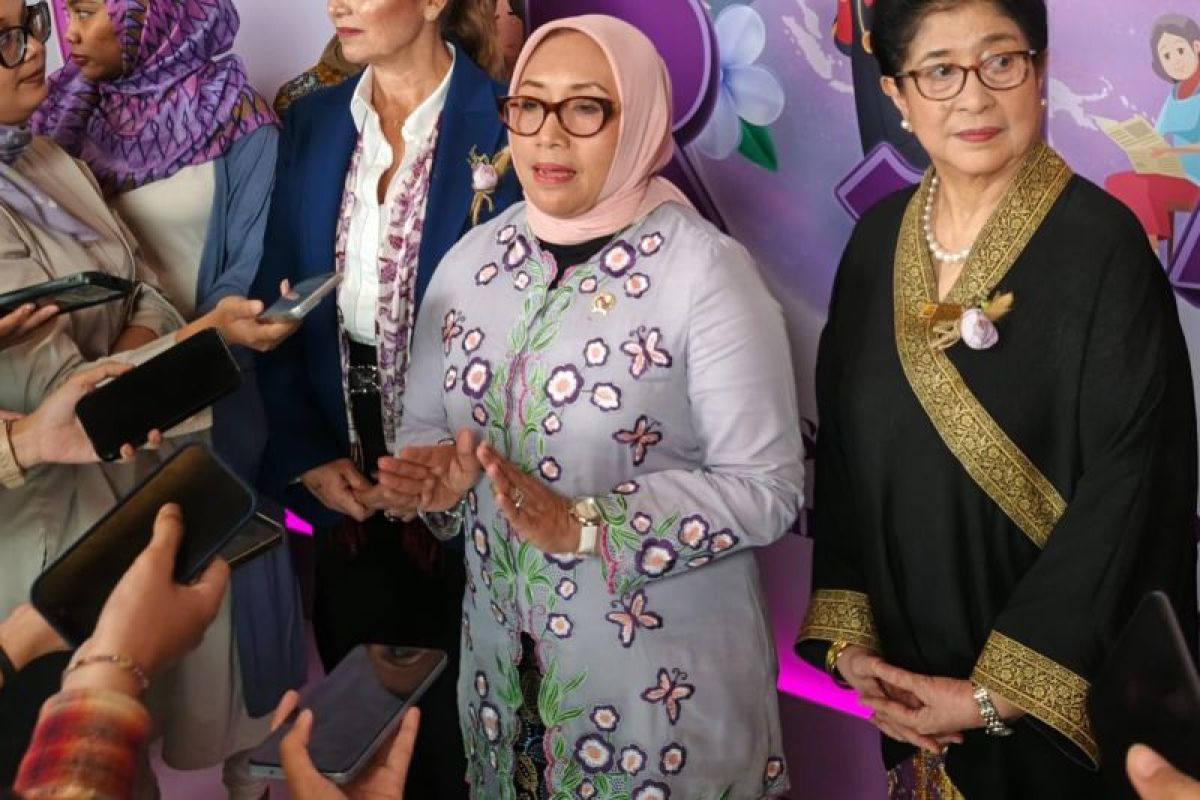
Jakarta – Health and women’s protection data in Indonesia reveals that maternal mortality and child violence rates remain alarmingly high, with more than 4,100 pregnant women dying annually and 11.5 million children experiencing violence at some point in their lives.
“If we look at it hourly, one pregnant woman dies and four infants and toddlers die. This is certainly a distressing fact,” said Professor Adi Utarini from Gadjah Mada University’s public health faculty at an International Women’s Day commemoration forum in Jakarta on Tuesday.
He explained that this figure equates to more than 33,000 infant and toddler deaths annually, or approximately four deaths per hour. According to him, this situation reflects persistent gaps in women’s access to healthcare services across Indonesia.
On child protection, government data shows that approximately 50.78 per cent of children aged 13–17 years, or around 11.5 million children, have experienced at least one form of violence during their lifetime. Meanwhile, approximately 33.64 per cent of children experienced violence within the past 12 months.
The prevalence of violence against women aged 12–64 years was recorded at 6.6 per cent in 2024, a decline from 9.4 per cent in 2018. Nevertheless, the government considers this figure still relatively high and requiring serious intervention.
Minister for Women’s Empowerment and Child Protection Arifatul Choiri Fauzi identified three main factors driving increased violence against women and children: economic factors, parenting patterns, and the irresponsible use of gadgets and social media.
In response, the government through the Ministry of Communication issued Ministry Regulation Number 9 of 2026, which prohibits children under 16 years of age from independently creating social media accounts. The regulation is scheduled to take effect on 28 March 2026.
Arifatul also noted that approximately 10 million Indonesians currently experience mental health disorders, partly influenced by gadget dependency.
To strengthen women’s and child protection, the government is launching the Ruang Bersama Indonesia (RBI) programme, which aims to integrate field officers from various ministries at village level. The programme represents a transformation of the Women-Friendly and Child-Caring Villages (DRPPA) initiative with a more collaborative approach to establish villages free from violence against women and children, free from stunting, and promoting women’s economic empowerment.
RBI also provides safe spaces in villages for sharing activities, parenting classes, and parenting education, whilst promoting training and capital access for women. Currently, the RBI programme has been implemented in seven locations across Indonesia and is targeted to reach 138 villages or urban communities by year’s end through strengthened cross-sector synergy and community participation.
“Like palm fibres scattered in village corners, each focused only on their own work. Ruang Bersama Indonesia seeks to bind these fibres into one unified force at village level,” said Arifatul.
Additionally, the government is expanding the SAPA 129 call centre service as a reporting channel for violence cases and building a unified data system for women and children at village level. As part of International Women’s Day celebrations, the Farid Nila Moeloek Society collaborated with PT Takeda Innovative Medicines to hold a Women’s Forum themed “Rights. Justice. Action. From Rights to Action for All Women and Girls”, intended as a platform for dialogue, knowledge exchange, and strengthened collaboration among stakeholders to advance women’s leadership in public health, demonstrating that investment in women yields sustainable benefits for society, particularly in public health.