
Data Issues in the Spotlight, KKP to Improve Tuna Catch Data Collection
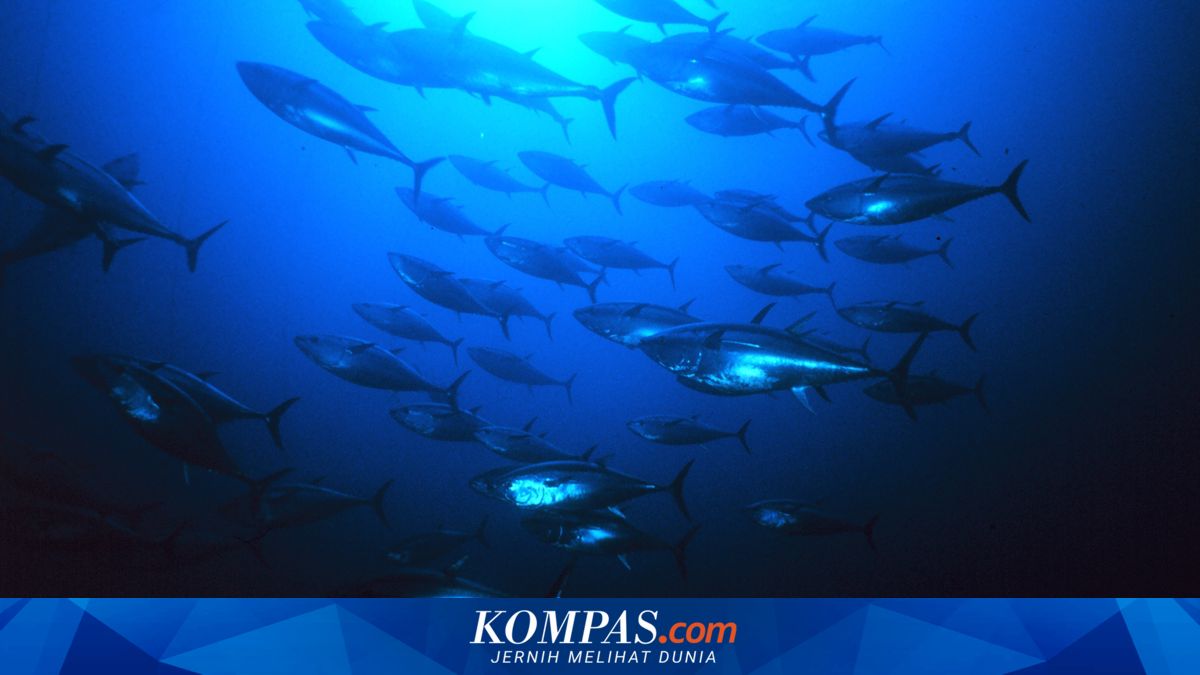
JAKARTA, KOMPAS.com - The Ministry of Marine Affairs and Fisheries (KKP) will improve the fish catch data collection system, particularly for tuna commodities, which is considered not yet accurate and poses the main challenge in national fisheries governance.
“The most important thing is related to our data reporting issues. We cannot yet report data precisely, whether catches are in territorial waters or in the high seas,” said the Director of Fish Resource Management at KKP, Syarif Abd. Raup, in Jakarta on Saturday (2/5/2026).
He added that the quality of Indonesia’s data reporting is often highlighted in international forums and deemed not optimal.
“This means our reporting data is considered not very good. In the future, this must be fixed,” Syarif emphasised.
On that occasion, he stressed that tuna is one of Indonesia’s flagship commodities, both for domestic consumption and exports.
“Regarding our tuna management, this is one of our flagship products, both for domestic consumption and for export,” Raup stated.
He explained that the contribution of the national tuna processing industry is quite significant, with around 15 to 20 percent of production involving domestic business actors.
Even globally, Indonesia’s position is quite dominant.
“This means that if it’s 20 percent, out of five tunas circulating, one comes from us. This is how important this commodity is for fishermen and the industry,” he clarified.
In addition to data issues, Indonesia also faces challenges in regulating catch quotas in regional fisheries management organisations (RFMOs).
The catch limit or restriction system requires Indonesia to adapt to global policies that often spark debates.
“We are fighting for fair quota allocation together with developing countries. The debate is still very strong and there is no agreement in the near future,” he said.
On the other hand, technical challenges such as limited fleets and facilities also affect competitiveness.
One of them relates to transshipment practices at sea, which are restricted by international rules.