
Danger! Europe Predicted to Face Jet Fuel Crisis in 6 Weeks
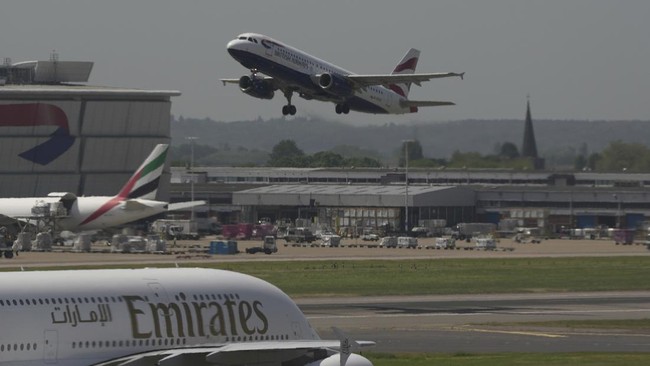
The International Energy Agency (IEA) has warned that Europe may only have six weeks before facing a crisis in aviation fuel, or avtur, as the aviation industry is impacted by the unrelenting crisis in the Middle East.
IEA Executive Director Fatih Birol explained that a blockade in the Strait of Hormuz would result in the largest energy crisis the world has ever faced. According to him, the longer the situation persists, the worse the impact on global economic growth and inflation will be.
“In the past, there was a group called ‘Dire Straits.’ Now this is a dire strait situation, and it will have major implications for the global economy. The longer it happens, the worse the impact on economic growth and inflation worldwide,” he stated in an interview with the Associated Press, as reported by CNBC International on Thursday (16/4/2026).
The broader economic impacts include rises in petrol prices, gas prices, and high electricity costs. Birol had previously warned that the energy crisis would hit harder in April as global oil supply constraints worsen.
“In April, there is nothing. Losing oil in April would be double the loss compared to March. Additionally, you have LNG and others. This will spill over into inflation; I think it will cut economic growth in many countries, especially developing nations. In many countries, energy rationing may soon occur,” Birol said.
Meanwhile, analysts have issued similar warnings regarding the situation facing the aviation industry. Rystad Energy’s Chief Economist Claudio Galimberti stated that the situation for airlines heavily depends on how many barrels of oil can still flow through the strait.
“The situation facing airlines very much depends on how many barrels will flow through that strait,” Galimberti explained.
On the other hand, ING Senior Economist Rico Luman noted that tanker ships are now starting to halt operations due to the conflict. This condition is causing energy supplies from the Middle East to dwindle, and the world needs quick replacement sources.
“We have seen these ships stop now, so supplies from the Middle East have run out, and we need replacements,” Rico concluded.