
Dandhy Laksono on Funding for Pesta Babi: 'There Is Funding'.
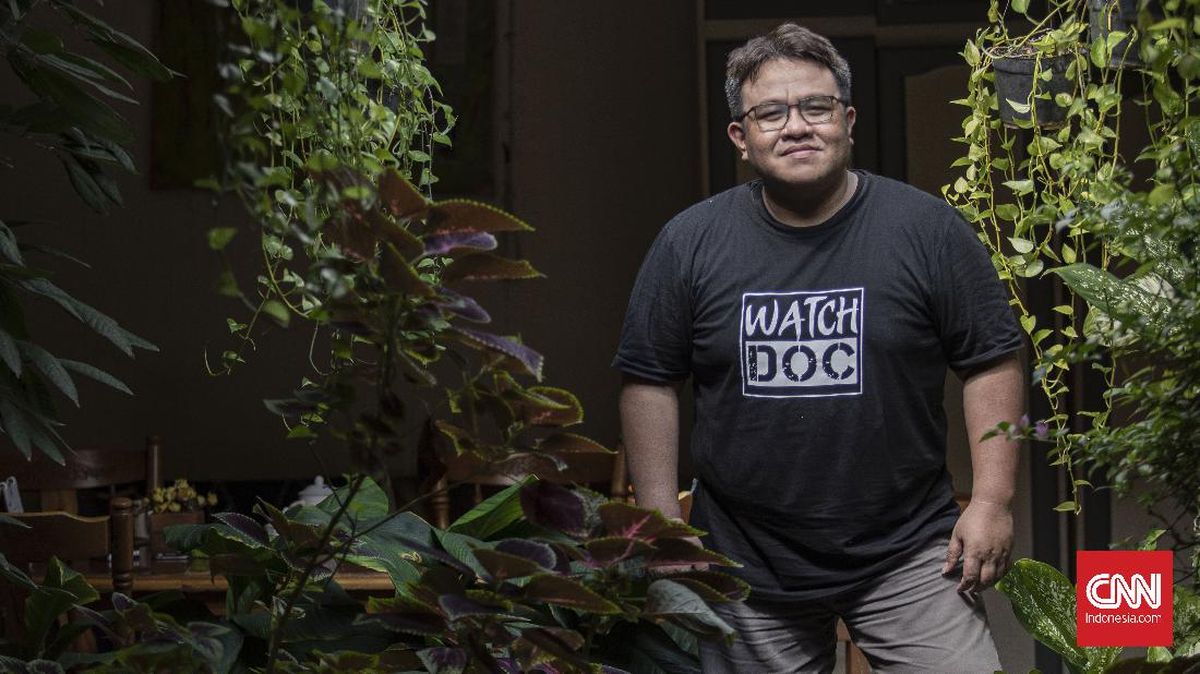
Documentary filmmaker Dandhy Laksono has spoken out about the funding sources used in making ‘Pesta Babi: Kolonialisme di Zaman Kita’. In an interview with Tribunnews’ Editor‑in‑Chief, Laksono said there were funding sources for the film. He quipped that he has the right to reply ‘it’s there’ because he does not bear responsibility for the taxes paid by the public. ‘There is funding. I am entitled to say ’it’s there’ because I am not accountable for the taxes paid by the people. It is more proper if I say ‘it’s there’. That is lawful,’ he said. He questioned why civil‑society initiatives are more easily suspected about the source of their funding. Indeed, he argued, the same scrutiny does not apply to funding for presidential election campaigns or for political parties that distribute aid or organise large concerts. ‘People are more curious about civil initiatives like this than about where the money for presidential candidates’ campaigns comes from? Where does party money come from to distribute sembako, or to put on a big concert? Where does money for generals and police come from when they want to advance in rank?’ he asked. Nevertheless, Laksono stressed that in journalism it is essential to disclose the sources of information, including funding sources. Through openness the public can assess whether a journalistic work is independent or not. Therefore, in Pesta Babi, the public can see clearly the parties involved through the logos on the poster and in the film. ‘All the names are clear; friends can see the logos on the film’s posters. Those are the collaborators. So those are the institutions that pooled resources to finance this film,’ he explained. He also noted that the entire crew involved in the production worked without payment, including himself as director, Cypri Paju Pale as producer, and the director of photography and videographers. ‘I, as director, Bang Cypri as director, the producers, the director of photography, the videographers — none of us were paid,’ he said. Laksono said the form of funding for the film was not limited to cash but also included equipment and manpower. ‘So the contribution is in the form of people and equipment, not money. Friends who have money contribute transport, for example. But there was no honourarium,’ he added. ‘So we all really collaborated by mutual effort, pooling resources, and we believe this approach will make the film more passionate,’ he concluded. Earlier, Army Chief of Staff General Maruli Simanjuntak questioned the source of funds for the documentary. ‘Now the issue is people go so far as to make videos; how is the money involved? Just try it, right? They come there, make a video, fly here, fly there, people with money exist,’ he said.