
Danantara focuses on strengthening institutional foundation and governance in first year
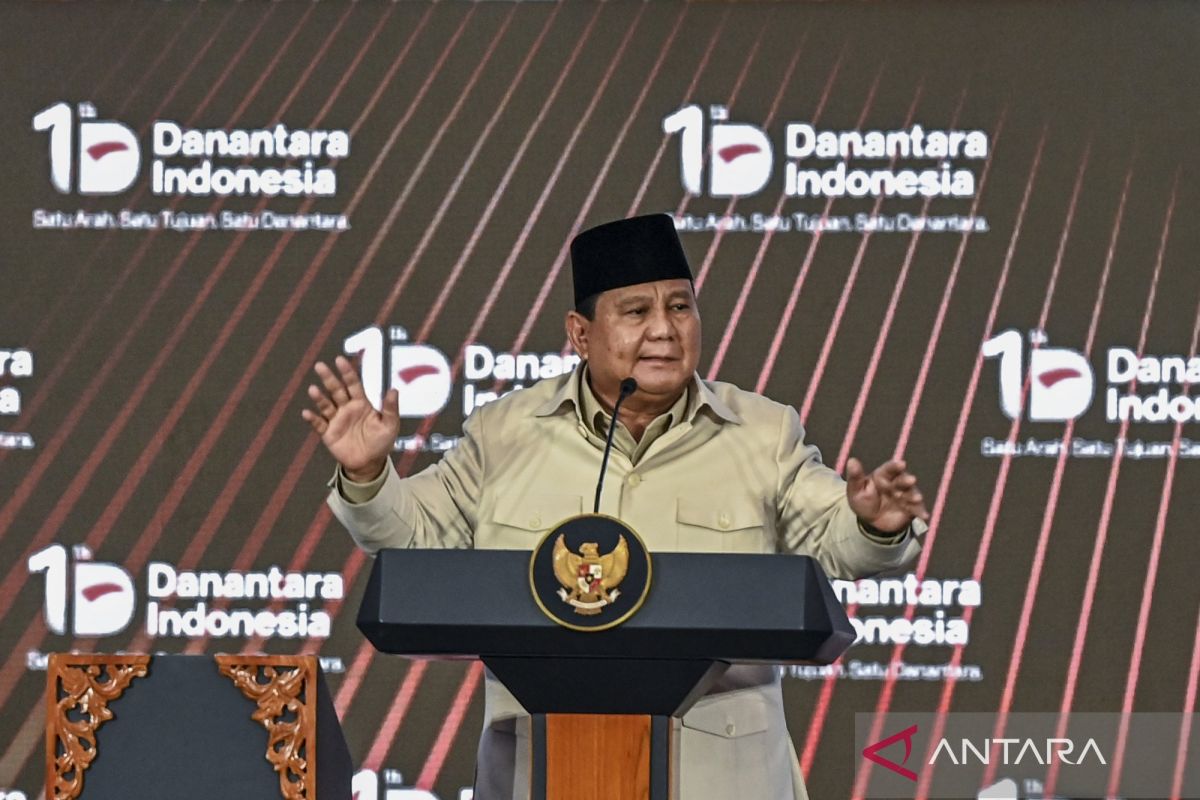
Jakarta — Chief Executive Officer Rosan Roeslani of Danantara Indonesia stated that the first year of Danantara’s operations has focused on building institutional foundations and governance, whilst initiating strategic initiatives that form the basis for transforming state asset management and creating long-term value for Indonesia.
“This first year is a year of foundation-building. We are establishing strong governance, strengthening institutional structures, and launching various strategic initiatives that form the foundation for creating long-term value for Indonesia,” said Rosan in an official statement in Jakarta on Wednesday.
Throughout 2025, Rosan disclosed that Danantara has developed more than 27 governance policies aligned with applicable regulations to ensure state asset management operates with transparency, accountability, and professionalism.
In supporting the stability and strengthening of state enterprises, Danantara has also supported the implementation of several government priority programmes, including the Red and White Village Cooperative (KDMP), the Free Nutritious Meal (MBG) programme, and the development of housing for communities whilst creating employment opportunities.
“These initiatives are designed as a sovereign wealth fund philanthropy platform that encourages social investment in priority sectors such as education, health, water and sanitation,” said Rosan.
As part of global ecosystem development, Danantara has also initiated the SWF Philanthropy Learning Lab forum with various international institutions to strengthen best practices in long-term social fund management.
“The strengthening of institutional foundations is also reflected in public perception, with approximately 93 per cent of coverage about Danantara being positive in sentiment, demonstrating increasing confidence in the direction of the transformation being undertaken,” said Rosan.
“These efforts are directed towards building companies within the Danantara Indonesia ecosystem that are more adaptive, competitive, and capable of creating sustainable economic value whilst delivering tangible social contributions to the national economy,” he added.
As part of comprehensive state-owned enterprise portfolio restructuring, Danantara Asset Management (DAM) is conducting gradual streamlining through various strategic steps including liquidation, merger, and divestment of entities that are no longer priorities.
This process is conducted whilst prioritising strong governance principles, portfolio discipline, and performance-based approaches to ensure each state enterprise has a clear strategic role within the national economic ecosystem.
From the perspective of national industry development, Danantara through DAM has also promoted various cross-sector downstream initiatives with potential investment value of approximately $26 billion, expected to expand industrial capacity.
Several projects have entered the development phase in February 2026, including alumina and bauxite processing, bioavtur and bioethanol development, integrated poultry production, and industrial salt processing.
“Similar initiatives will continue to be developed in the minerals, energy, food, and agriculture sectors across various regions of Indonesia as part of efforts to strengthen national industry value chains and create sustainable real economic value,” said Rosan.
Meanwhile, Danantara Investment Management (DIM) serves as Danantara’s global investment arm, responsible for attracting strategic investment and expanding international partnerships.
In its first year of operations, DIM has established 11 global strategic partnerships through various memoranda of understanding with investment commitments reaching approximately Rp346 trillion, to channel foreign investment and global expertise into various priority sectors in Indonesia.
Additionally, DIM has expanded national investment capacity by creating additional financing capacity of approximately Rp150 trillion through a combination of various financial instruments including loans, equity participation, issuance of patriot bonds, and revolving credit facility arrangements from global institutions.
DIM also encourages investment in various national development projects, including co-investment in waste-to-energy facilities, which could contribute to the national economy by approximately Rp1.3–1.6 trillion annually during the construction period.
Overall, these various measures reflect Danantara’s primary focus in its first operational year: building institutional foundations, strengthening governance, and creating state asset management structures that are more integrated and oriented towards long-term value creation.
“This first year is a phase of foundation-building. Moving forward, our focus is to ensure these foundations are translated into tangible performance through strong governance, professional state asset management, and strategic investments that benefit the national economy and the future of Indonesia’s generations,” said Rosan.