
Danantara Establishes Subsidiary to Manage Waste-to-Energy Projects
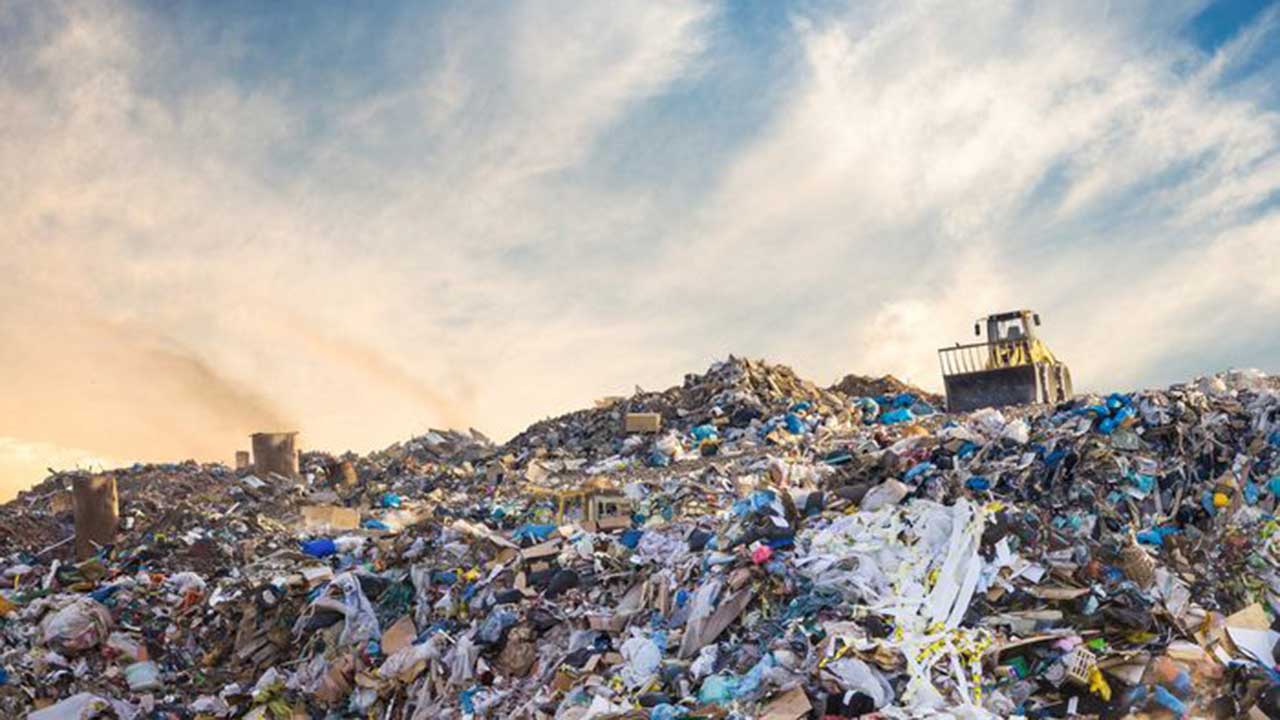
Jakarta – Danantara Investment Management has officially established a new subsidiary named PT Daya Energi Bersih Nusantara, which will focus on managing waste-to-energy (WtE) projects to convert waste into electricity. The formation of the company was announced during a media discussion at Wisma Danantara on Thursday (9/4/2026). Director of Investment at Danantara Investment Management, Fadli Rahman, explained that the company will be the main driver in implementing WtE projects under Danantara’s auspices. “PT Daya Energi Bersih Nusantara is a company newly formed by Danantara Investment Management on 1 April 2026, with a focus on executing the WtE programme,” Fadli stated. He added that Danantara will not only act as a shareholder but also as an operator in waste-to-electricity processing projects. According to him, WtE development must be integrated with a comprehensive waste management system. “One thing that must be focused on is WtE, but as I mentioned earlier, WtE is a catalyst for integrated waste management,” he said. The management covers the entire process chain, from waste generated at the household level, transportation, to processing at integrated facilities. In the future, the system is also planned to include industrial waste and hazardous waste. Meanwhile, Managing Director of Stakeholder Management and Communications at Danantara, Rohan Hafas, highlighted that waste issues in Indonesia remain a major challenge. He cited World Bank data showing that around 50% of waste in Indonesia is not properly handled and ends up in open environments such as streets and rivers. “Waste in Indonesia, 50% of it—this is from the World Bank, no Indonesian involvement at all—50% of waste in Indonesia ends up on streets and in rivers (streams), based on the World Bank survey,” Rohan said. According to him, the waste-to-energy concept can be a strategic solution to reduce these problems, as waste is not just piled up but directly processed into electricity. He also believes the system can encourage more organised waste transportation mechanisms from the household level. “The waste-to-energy concept so that people dispose of waste in the right place, meaning it will definitely be collected, so collection from homes is free. It starts from there, done by local governments,” he explained. In addition, this model is seen as capable of reducing the burden on local government budgets, particularly in providing landfill sites, which have so far required substantial costs.