
Danantara CEO Prioritises Proven Effective Technologies for PSEL Programme
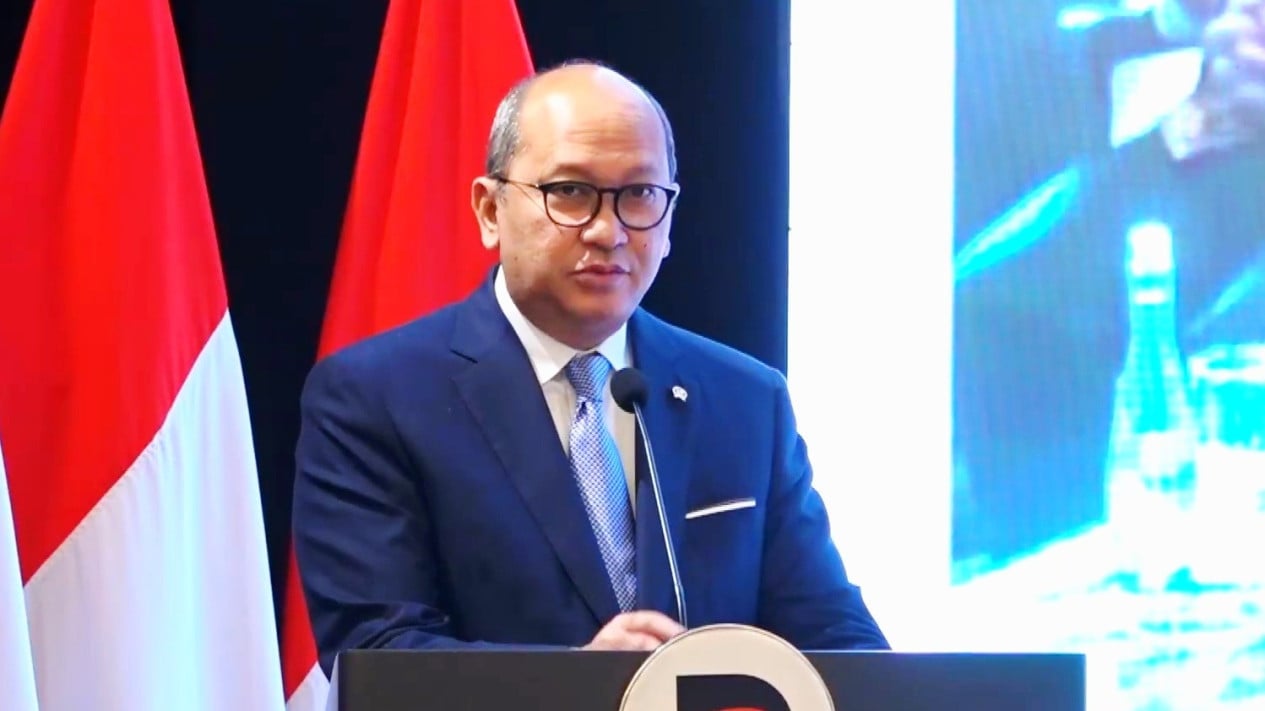
Chief Executive Officer (CEO) of the Investment Management Agency Danantara (BPI Danantara), Rosan Roeslani, has affirmed that the agency will prioritise technologies that have been proven effective in implementing the Waste Processing into Electricity (PSEL) programme. During a press conference at the Danantara Building in Jakarta, Rosan stated that the agency is very open to other types of technology that can also accommodate the programme. “But we prioritise technologies that have been proven to work well in many countries around the world. Of course, we give priority to those,” said Rosan at the Danantara Building in Jakarta on Tuesday, 14 April 2026. In the press conference alongside the Minister of Environment, Hanif Faisol Nurofiq, Rosan also revealed that the government has reported 20 agglomeration areas across 47 regencies/cities that will become priority investments for PSEL. President Prabowo has reportedly requested that handling in urban and agglomeration areas with waste generation exceeding 1,000 tonnes per day be prioritised immediately in PSEL. These 20 agglomeration areas have met the first-stage requirements and have received official decisions from the Ministry of Environment (KLH). Meanwhile, for cities with waste generation of 500–1,000 tonnes per day, they do not meet the main requirements of the Presidential Regulation (Perpres) that designates priority PSEL areas with waste generation over 1,000 tonnes. Rosan, who is also the Minister of Investment and Downstreaming/Head of BKPM, emphasised that based on monitoring and evaluation by a joint team, there are currently seven agglomeration areas across 26 regencies/cities with waste generation of 500-1,000 tonnes per day. “For other technologies, we remain open, as long as this work can be done well, quickly, and most importantly, accepted by the community, especially in the environment where the waste processing will take place,” said Rosan. “The equipment can come from Japan, Korea, the Netherlands, China, and there will also be products from our own country,” he added.