
Danantara CEO: 13 Downstream Projects Worth Rp116 Trillion as Initial Step in Economic Transformation
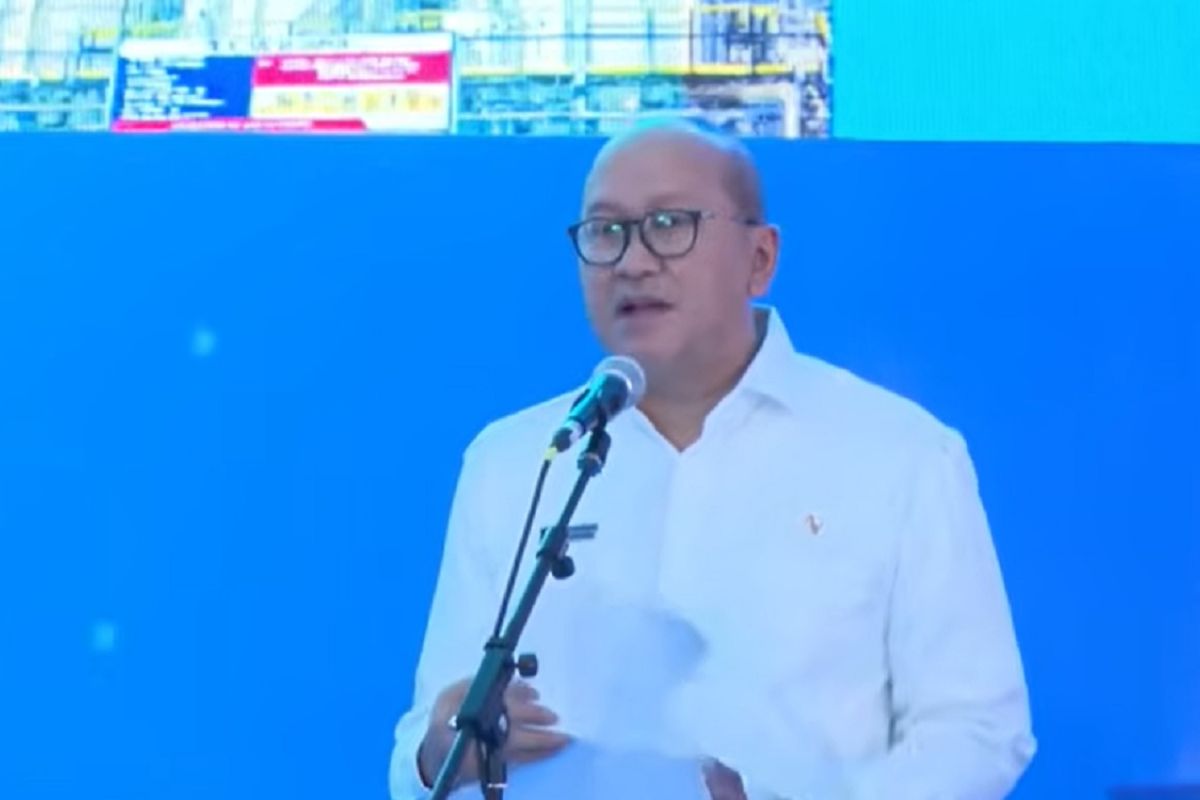
Jakarta (ANTARA) — CEO of the Daya Anagata Nusantara Investment Management Agency and Minister of Investment and Downstreaming Rosan Roeslani stated that the groundbreaking of 13 national downstreaming projects in phase II, valued at Rp116 trillion, marks the initial step in accelerating value-added economic transformation domestically.
The statement was made following the official laying of the foundation stone for the project by President Prabowo Subianto in Cilacap, Central Java, on Wednesday (29/4).
According to Rosan, the management of state assets is now directed as a catalyst to strengthen national industrialisation, while also promoting resource-based economic independence.
“This is part of efforts to build value added domestically, while strengthening the national industrial structure,” he said.
The President, on the same occasion, emphasised that downstreaming is the main foundation in enhancing national economic welfare.
The 13 projects whose construction has begun include the development of a gasoline refinery in Dumai and Cilacap, the construction of operational fuel tanks in Palaran, Biak, and Maumere, as well as dimethyl ether (DME) production facilities in Tanjung Enim.
In addition, the projects also cover the development of nickel-based stainless steel industry in Morowali, carbon steel slab production in Cilegon, to copper and gold downstreaming in Gresik.
In the agroindustry sector, developments include processing palm oil into oleofood and biodiesel in Sei Mangkei, processing nutmeg into oleoresin, and integrated coconut facilities in Central Maluku.
The government assesses that these projects will strengthen the national industrial ecosystem, increase production capacity, and open new job opportunities in various regions.
This step is also expected to reduce dependence on raw material exports while increasing the contribution of the processing industry sector to the national economy.