
Daimler Says Electric Buses in Indonesia Require Collaboration Between APMs and the Government
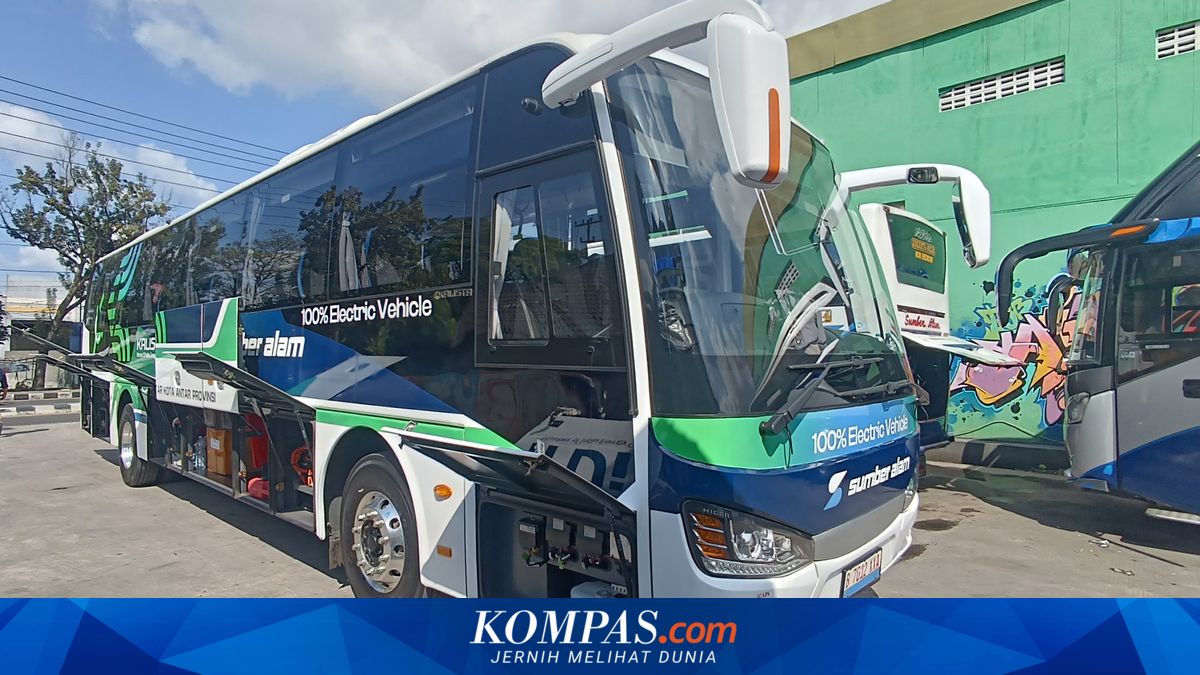
The era of vehicle electrification in Indonesia is no longer confined to passenger cars; it has also spread to the commercial vehicle sector such as buses and trucks. While a number of urban bus operators have begun adopting battery-powered units, a full-scale transition for commercial vehicles is still regarded as encountering a thorny path. The main issue is no longer the readiness of engine technology but the absence of a comprehensive regulatory framework.
Naeem Hassim, President Director of PT Daimler Commercial Vehicles Indonesia (DCVI), expressed his views on the state of regulations for commercial electric vehicles in Indonesia. He said that well-crafted regulations cannot be made unilaterally or hastily. He emphasised that formulating rules for commercial vehicles is far more complex than for private cars. There are many operational variables and vehicle specifications that have to be considered carefully.
“This cannot be done individually because there are many topics to be discussed. The commercial vehicle sector is very challenging. We have light, medium, and heavy-duty categories,” he said.
To formulate the right solutions, DCVI advocates intensive cross-sectoral communication. The government cannot go it alone in drafting regulatory standards without hearing technical input from the Brand Holder Agencies (APM). “The best thing to do is to sit down with the Minister of Transportation, the Minister of Industry, and it is also very important to sit down with the Minister of Environment,” Naeem said.
This collaboration is seen as crucial because the transport business must work closely with the government to produce solutions that are economically and environmentally sustainable. “We must seek common solutions collectively, because the business world must partner with the government in providing a way out,” he added.
Furthermore, Naeem stressed that lobbying steps or articulating the automotive industry’s aspirations will not be effective if done piecemeal or by a single brand alone. Auto manufacturers, coachbuilders, fleet operators, and the government must merge into an integrated consortium. “We undertake a lot of lobbying, and it must be done through Gaikindo. If I, as Daimler, go to the Ministry of Industry alone, nothing will happen. They will listen to Gaikindo because that representation stands for common interests,” he explained.