
Cutting Study Programmes: Education Solution or Threat to Academic Diversity?
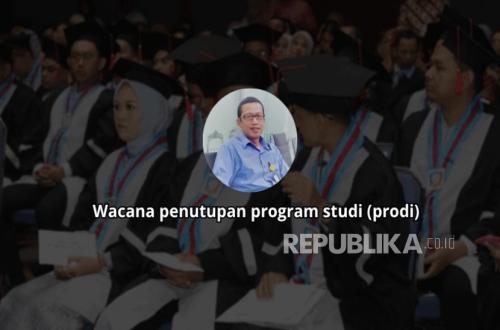
The proposal to close university study programmes deemed irrelevant to industry needs has reignited debate in the education sector. The policy is seen as an effort to align graduates with the evolving demands of the job market in the digital age.
On one hand, restructuring programmes is viewed as a solution to bridge the gap between graduate skills and industry requirements. Many graduates struggle to enter the workforce due to skills mismatch with current industry trends.
However, some argue this approach cannot be simplistic. Universities serve not only to produce workers but also as spaces for knowledge development, character building, and fostering critical thinking among students.
Anang Martoyo, Chair of the Career Center at Cyber University, stated that while educational relevance must be strengthened, programmes should not be assessed solely based on short-term market demands.
‘Universities have a broader role than merely meeting industry needs. Education also shapes thinking, character, and students’ adaptability to future changes,’ Anang said in a statement on Friday, 29 May 2026.
He added that the main challenge for higher education is the learning system’s ability to keep pace with the times. Outdated curricula and insufficient industry collaboration are more fundamental issues.
He believes curricula and teaching methods should be updated regularly to ensure graduates from diverse fields remain relevant. Additionally, stronger university-industry partnerships through internships, applied research, and digital skills development are needed.
‘What needs improvement is not just the number of study programmes, but how universities can produce adaptable graduates with relevant skills and a strong academic foundation,’ Anang said.
The proposal to close programmes also risks broader academic impacts. Beyond affecting lecturers and students, the policy may reduce discipline diversity, which is crucial for higher education development.
In the digital transformation era, universities must innovate learning approaches to meet technological demands. Digital technology use, data literacy, and interdisciplinary skills development are vital for preparing future graduates.
Dr Anang added that the government should not only focus on adjusting study programmes but also foster new job opportunities that accommodate diverse academic backgrounds.
‘Workplace changes are inevitable, but educational solutions must be comprehensive and not rushed to balance industry needs with academic diversity,’ he said.
The proposal to restructure study programmes presents an opportunity for Indonesia’s higher education sector to reassess. Through adaptive and collaborative approaches, universities can produce relevant graduates without sacrificing the richness of academic disciplines.