
Customs Authority: Tobacco Product Policy Must Consider National Fiscal Impact
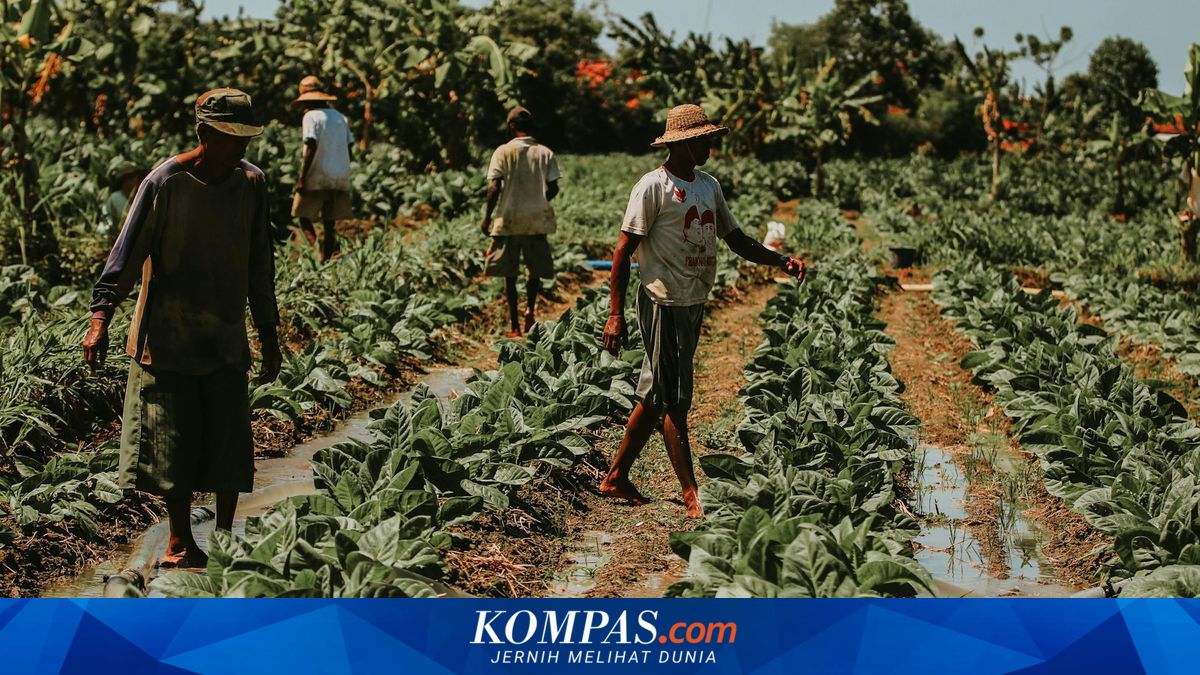
Jakarta — The Director of Technical Affairs and Excise Facilities at the Directorate General of Customs and Excise (DJBC), Djaka Kusmartata, has stated that tobacco product regulation is not merely a sectoral concern. He explained that from a fiscal perspective, four principal pillars form the foundation of consideration: state revenue, industry sustainability, worker welfare, and farmer protection.
According to Kusmartata, every policy to be implemented must provide a clear pathway for all stakeholders involved so that no sector is disadvantaged unilaterally. “This represents fresh revenue for our state budget, and we must anticipate this. Therefore, going forward, we also need to consider state revenue,” Djaka said during a public hearing on the Study of Determining Maximum Limits for Nicotine and Tar content, held by the Coordinating Ministry for Human Development and Culture (Kemenko PMK) in Jakarta on Tuesday 10 March 2026.
Moreover, Djaka noted that data demonstrates that revenue from tobacco excise tax is a strategic contributor to the State Revenue and Expenditure Budget (APBN). In 2025, for example, the tobacco product industry (IHT) contributed Rp211.9 trillion to the state.
This is particularly significant given ongoing global crises and geopolitical economic challenges that could threaten national economic growth. “What is needed now is 6 per cent economic growth, and up to 8 per cent in the future. Currently, there are global and geopolitical economic crises,” he said.
In the same forum, the Deputy of the Coordinating Ministry for Health Quality Enhancement, Sukadiono, stated the government’s commitment to absorb all input from various stakeholders. Sukadiono emphasised that Kemoko PMK is not simply going through the motions in gathering this feedback.
Every input will form the foundation of a robust database for policy refinement. He stressed that every point of objection and suggestion from the public will be valuable evaluative material for the research team before moving to the final decision-making stage. “This is still an early plenary stage; there is still a fairly long process ahead,” he said.
In accordance with the Coordinating Ministry’s Regulation Number 2 of 2025, Article 6 stipulates that the determination of maximum limits for nicotine and tar content will be decided in a final plenary session chaired directly by the Coordinating Minister for Human Development and Culture, involving other technical ministries including the Ministry of Industry (Kemenperin) and the Ministry of Finance (Kemenkeu).