
Culture Minister Supports North Sumatra Museums as Inclusive and Educational Cultural Spaces
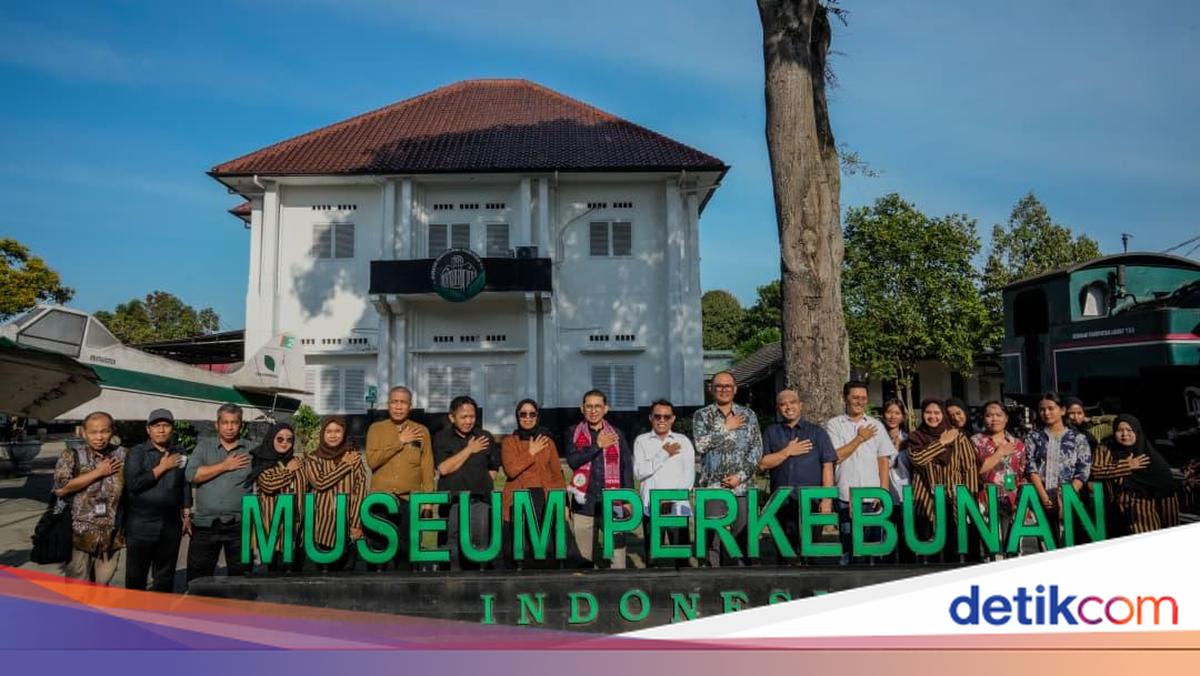
Indonesia’s Culture Minister Fadli Zon inspected the Medan 45 Struggle Building and the Indonesian Plantation Museum during a working visit to North Sumatra. This agenda represents the Ministry of Culture’s effort to strengthen museums as inclusive, educational, and accessible cultural spaces for the public.
During his visit, Fadli appreciated the revitalisation efforts at the Medan 45 Struggle Building, a structure that witnessed the Indonesian people’s struggle to maintain independence, particularly during the Medan Area battles of 1945-1949.
Fadli assessed that improvements in information presentation and exhibition layout could be implemented to attract younger generations. “Going forward, we must enhance further, especially in lighting, exhibition design, and digital technology utilisation to make visitors’ experiences more immersive,” Fadli stated on Monday, 9 June 2026.
On this occasion, Fadli also highlighted the importance of numismatic collections displayed in the museum as markers of a nation’s historical journey. He noted that currency and stamps represent important symbols of state identity, particularly during Indonesia’s early independence period.
Fadli expressed that these collections not only demonstrate past economic dynamics but also illustrate cultural encounter processes involving various communities, including plantation workers brought from Java.
Furthermore, Fadli appreciated the Indonesian Plantation Museum, which presents narratives about Indonesia’s rich plantation commodities, particularly in North Sumatra. The museum specifically raises the history of plantations and knowledge about plantation crops and products.
Fadli added that this historical legacy demonstrates how the natural wealth of the Nusantara once supported the prosperity of colonial powers at that time. Through the presentation of collections and historical narratives, museums can serve as spaces for reflection and learning for the public.
“Here we can see how plantation history developed since economic liberalisation in 1870. Various commodities such as sugarcane, tobacco, and other plantation crops became flagship products exported to various world regions, particularly to Europe,” he concluded.
Several officials accompanied the Culture Minister, including the Secretary of the Directorate General for Cultural Protection and Tradition, Wawan Yogaswara; Director of Cultural Heritage, I Made Dharma Suteja; Director of Facilities and Infrastructure, Feri Arlius; Head of the Cultural Preservation Centre for Aceh Region I, Piet Rusdi; and Head of the Medan Regional Preservation Centre II, Sukronedi.
This visit forms part of the government’s effort to strengthen museums as living, inclusive cultural spaces that provide meaningful learning experiences for the public. Through enhanced exhibition design, technology utilisation, and enriched historical narratives, the Ministry of Culture encourages museums not only to serve as collection repositories but also as active public spaces building historical and cultural awareness for the nation.