
Culture Minister states Eid al-Fitr unites society as part of Nusantara culture
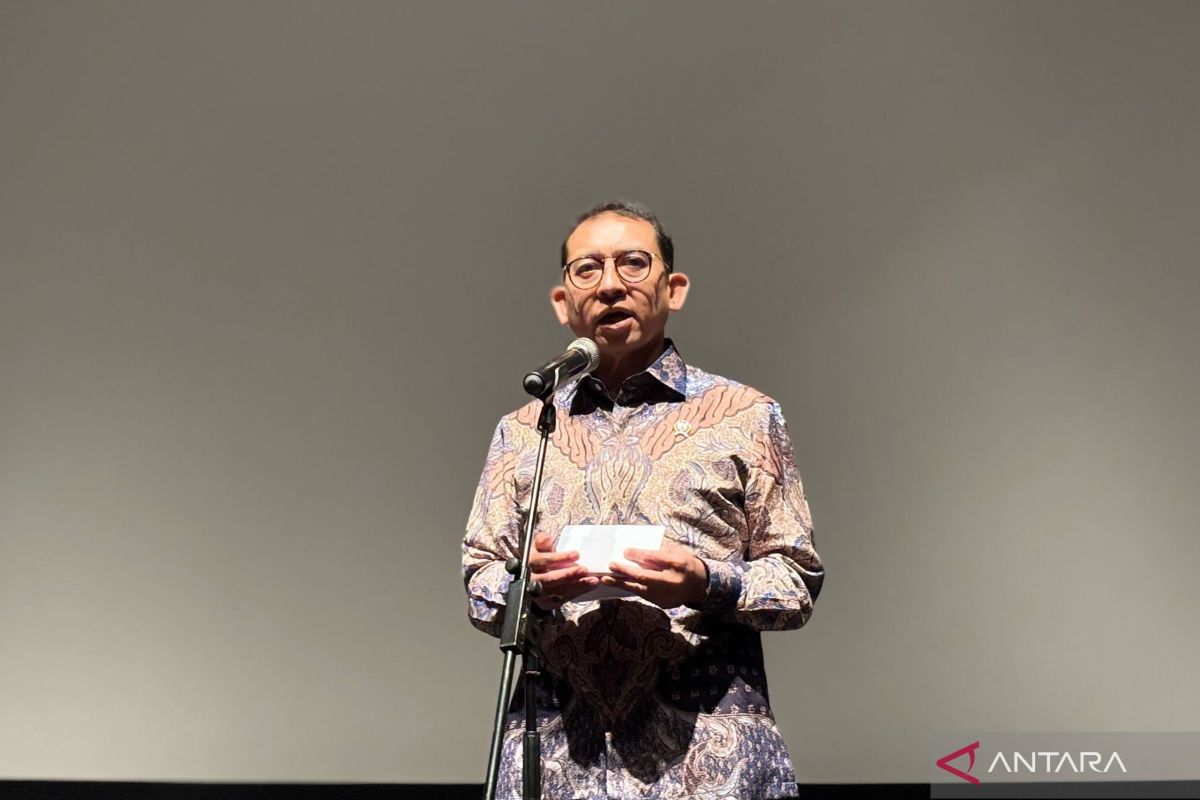
Jakarta (ANTARA) - Culture Minister Fadli Zon has stated that the moment of Eid al-Fitr serves as a unifier for Indonesian society, as the celebration of this day of victory has become an integral part of Nusantara culture. Although each region has its own distinct Eid traditions, Fadli Zon believes they all share a common purpose: to celebrate the day of victory. “Each region has its unique way of celebrating, but they all remain part of one Nusantara culture,” said Fadli Zon in his Eid al-Fitr 1447 H message, which he posted on his Instagram @fadlizon on Friday (20/3). According to him, Nusantara culture can be found in every aspect of Eid, both tangible and intangible. For example, in terms of cuisine, during the Eid season, families from different regions have their own signature dishes. “From ketupat, chicken opor, rendang, to biscuits, each region has its distinctive flavour. Eid food is tangible, but it is also full of stories and family memories,” he said. Another example that embodies culture during Eid is in the aspect of attire. There is a wide variety of Nusantara-style clothing, such as koko shirts, songket, kebaya, and sarongs, which can be chosen for celebrating this day of victory. Fadli Zon views all of this not merely as a need for style on the festive day but also as a demonstration of pride in national identity and Nusantara culture. Furthermore, he stated that intangible culture can also be felt through the Eid moment, particularly through habits that may seem small but hold great value. For instance, customs such as visiting neighbours’ homes, returning to hometowns (mudik), and cooking ketupat together with family serve as real examples of how Eid brings intangible culture to life. For this reason, he invites all Indonesian people to preserve Eid, as these activities not only maintain cultural roots but also nurture traditions for the nation’s future. “Eid is both tangible and intangible; it can be touched, felt, and lived. This is not just a holiday, but a way for this nation to celebrate togetherness, tolerance, and cultural identity,” said Fadli.