
Culture Minister ready to introduce regulations to prevent national films from quickly entering OTT platforms
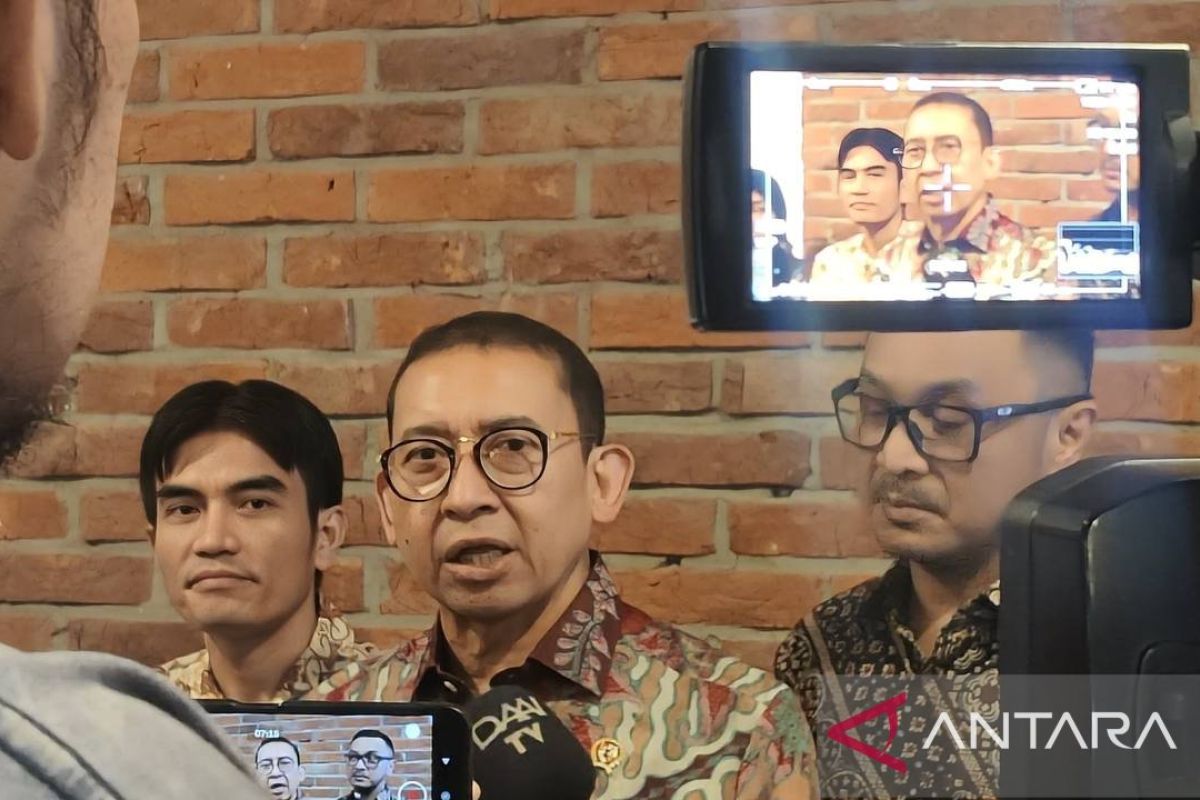
Jakarta (ANTARA) - Culture Minister Fadli Zon has stated that he is prepared to introduce regulations to ensure that Indonesian films screening in cinemas do not quickly move to digital platforms or over-the-top services such as Netflix, as this poses a threat to Indonesian cinema.
“Cinemas could gradually close if people start watching directly on their gadgets,” said Fadli in Jakarta on Wednesday.
Fadli also expressed readiness to support regulatory measures that would grant exclusive cinema screening rights for films for at least four months, and he plans to discuss this with film producers.
He made these remarks in light of the situation in cinemas across various countries, including in Europe, where local populations have become reluctant to visit cinemas, as well as in South Korea.
“In Europe, it’s hard for people to return to cinemas; very few go. Many cinemas have closed. In Korea too, even though their films are exceptional and widely popular, the number of people attending cinemas has become very low,” he said.
These comments were delivered during the commemoration of National Film Day 2026, organised jointly with the Film Censorship Agency (LSF), which was marked by a screening of the film “Darah dan Doa” by Usmar Ismail.
The film, which premiered in 1950, serves as a historical milestone in the work of the Father of Indonesian Cinema. The selection of this film is intended to remind audiences of the hard work of national filmmakers 76 years ago and to express appreciation for this monumental achievement in Indonesian cinema.
“Today, we enjoy how the monumental work of the father of Indonesian cinema, Usmar Ismail, from 1950—76 years ago—can be enjoyed again. This is part of the hard work and efforts to protect cinematic artefacts and national film works, so that future generations can continue to enjoy them,” concluded LSF Chairman Naswardi.