
Culture Minister Emphasises Museum's Role as Historical Education Medium
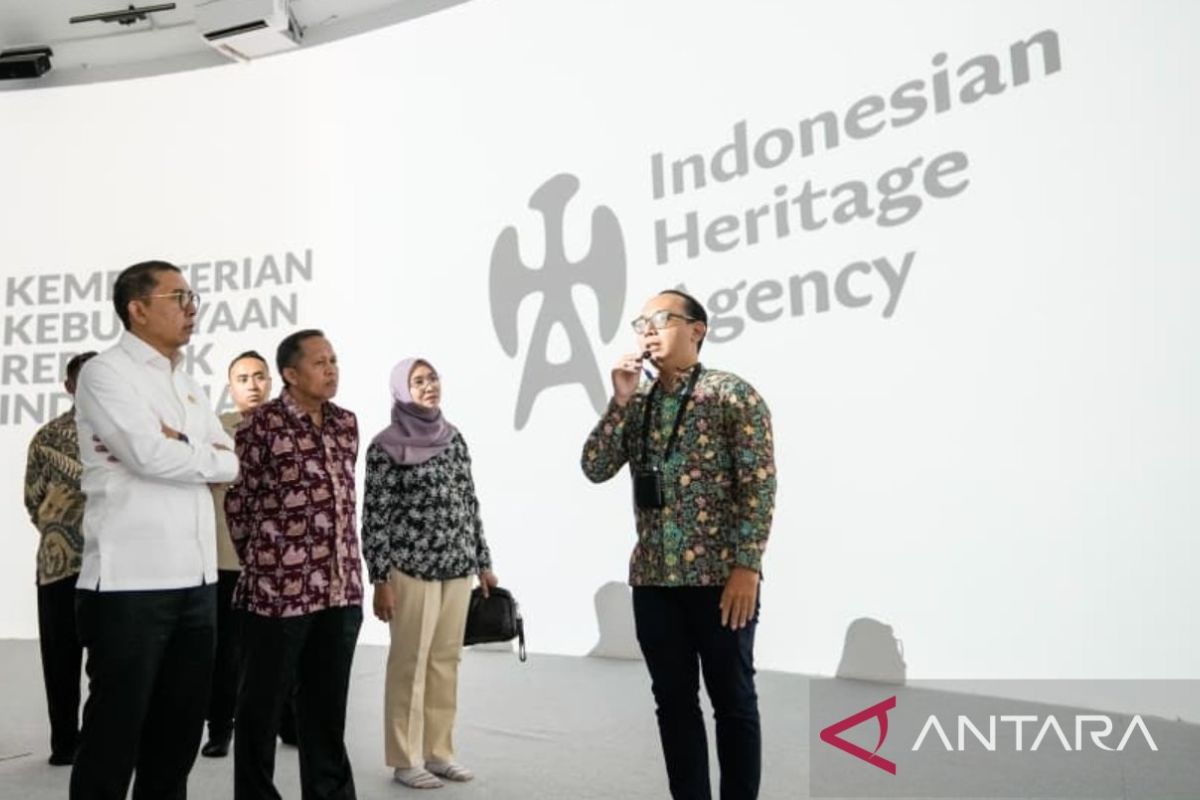
Jakarta (ANTARA) - Culture Minister Fadli Zon has affirmed the strengthening of museums’ role as a medium for historical education, especially for the younger generation, through a visit to the Yogyakarta Struggle Museum.
“At this museum, we can witness the nation’s struggle journey, from the birth of Budi Utomo to the Proclamation of Independence and the era of defending the Unitary Republic of Indonesia, now presented in an immersive and more easily understood manner,” said Fadli Zon in an official statement received in Jakarta on Sunday.
He assessed that Yogyakarta holds a significant role in national history, including serving as the state capital in 1946 and during the Dutch military aggression events. In addition, the museum’s collections, such as artefacts, dioramas, and reliefs by Edhi Sunarso, are considered the main attractions in delivering a more vivid historical learning experience.
Culture Minister Fadli Zon conveyed that a more contextual and communicative presentation makes the museum able to reach a broader audience, particularly the younger generation.
“The younger generation needs to see directly how the nation’s struggle history is presented here, because it is easier to understand and closer to their lives,” he stated.
The Yogyakarta Struggle Museum was initiated by Sri Sultan Hamengku Buwono IX in 1958 to commemorate the 50th anniversary of the National Awakening.
Its construction began in 1959 and was completed in 1961, with the main building in a circular shape and equipped with 40 reliefs depicting the nation’s historical journey.
Currently, the museum is managed by the Ministry of Culture through the Public Service Agency for Museums and Cultural Heritage, with ongoing updates to its curation.
The Culture Minister hopes that the museum can continue to be developed as an active public space, not only as a storage place for artefacts, but also as a centre for education and historical reflection that is relevant to society.