
Culture Minister and PAMDI Discuss Plans to Nominate Dangdut as UNESCO Intangible Cultural Heritage
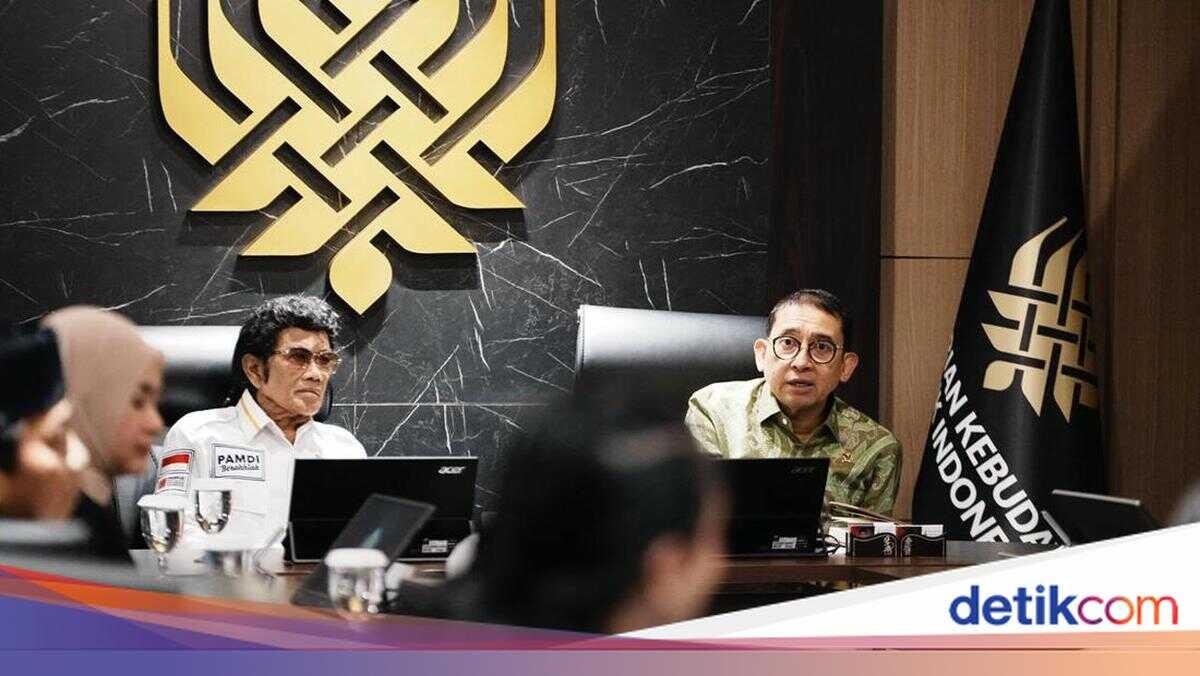
Culture Minister Fadli Zon attended a meeting with the Indonesian Dangdut Musicians Association (PAMDI), chaired by Rhoma Irama. The meeting aimed to follow up on plans to nominate dangdut music as a UNESCO Intangible Cultural Heritage of Humanity whilst also discussing strategies for advancing dangdut music in Indonesia.
Fadli said the meeting was a continuation of various discussions previously held between the government and the dangdut music community. One of the main agenda items was preparing the nomination of dangdut music as a UNESCO Intangible Cultural Heritage of Humanity.
Fadli Zon explained that the nomination requires thorough preparation, including the drafting of an academic manuscript and a dossier that must be compiled together with the dangdut music community. He stressed that the preparation process must begin immediately.
“This must naturally be done together with the community, in this case PAMDI and other organisations, as well as musicians who are already accomplished in this field,” Fadli said in a written statement on Tuesday (24/2/2026).
Fadli affirmed that the government is opening the widest possible space for collaboration with the dangdut music community in the process of cultural advancement. He added that dangdut has already been registered as an Indonesian Intangible Cultural Heritage, thereby fulfilling one of the key requirements for a UNESCO nomination.
Beyond the UNESCO nomination, Fadli also emphasised the importance of strengthening the dangdut music ecosystem in Indonesia through cooperation with various parties, including regional governments, arts studios, and the music and media industries.
One form of support already undertaken is the granting of awards to a number of media platforms that have contributed to cultural advancement through dangdut music programmes.
Meanwhile, PAMDI Chairman Rhoma Irama expressed his full support for the plan to nominate dangdut to UNESCO whilst affirming dangdut’s status as an authentically Indonesian music genre.
“To this day, there are still those who say dangdut originates from India and is not part of our culture. As a historical figure in the dangdut music revolution, I can testify that dangdut originated from the development of Malay orchestras,” said Rhoma Irama.
According to him, dangdut is the product of Malay music that underwent various cultural influences until it ultimately formed a distinctly Indonesian character. Rhoma Irama also expressed his readiness to assist in preparing the UNESCO nomination documents.
Through the meeting, it was agreed that the Ministry of Culture, together with PAMDI and the dangdut music community, would immediately begin preparing the academic manuscript and nomination dossier for dangdut, as well as diplomatic measures to support the bid.
Through the collaboration between the government and the dangdut music community, the Ministry of Culture hopes that dangdut music will gain ever greater recognition as an Indonesian cultural identity on the world stage.