
Culture Minister Aims to Make Museums Hubs for Developing Cultural Capital
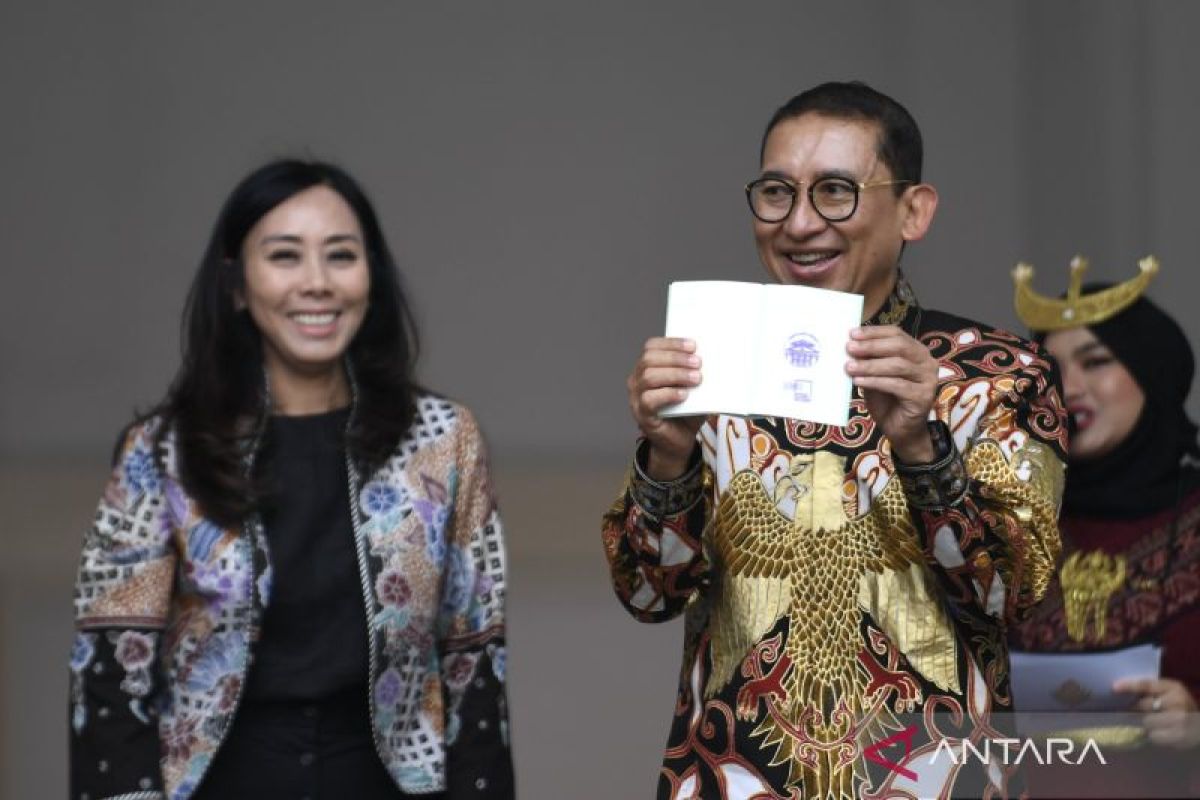
Jakarta – Culture Minister Fadli Zon said that museums must become places where cultural capital is developed to deliver benefits to the public. Speaking at World Museum Day 2026 commemorations at the National Museum of Indonesia, Jakarta, on Monday, 18 May 2026, he noted museums’ strategic role as centres of knowledge, a source of national identity, and a cradle of the cultural economy. ‘Museums must be places where cultural capital is developed into public value and economic value on a sustainable basis,’ he said. ‘Without living knowledge institutions, industries and cultural products would lose their roots and become shallow.’
He also stated that the World Museum Day 2026 theme, “Museums Uniting a Divided World” or “Museum Menyatukan Dunia yang Terpilah”, resonates with Indonesia. Fadli said that museums are public spaces capable of rebuilding trust and strengthening social cohesion in a world that is increasingly fragmented. In his cultural address, he outlined four main foundations of Indonesia’s museology policy: museums as instruments shaping national identity, spaces of citizenship that strengthen social cohesion, spaces for reviving cultural sovereignty, and upstream infrastructure in the cultural economy.
He also highlighted the government’s success in repatriating 28,131 fossils and records of the Eugene Dubois paleoanthropologist and geologist collection from the Netherlands in 2025. The collection, which includes early Homo erectus fossils, is now on display in the Early History exhibition at the National Museum of Indonesia.
“When this important heritage returns home, the museum’s task is to revive its meaning and restore its cultural roots through research, conservation, and public interpretation,” said Fadli.
As an illustration, he noted that museums support more than 726,000 jobs and contribute around USD 50 billion per year to the economy in the United States. He said that museums yield annual social benefits of USD 8.6 billion in Canada, while Museumkaart in the Netherlands can attract 9.6 million museum visits per year with access to more than 500 museums through a single national network.
The Ministry of Culture notes that as of April 2026 Indonesia has a total of 516 museums spread across regions. The government is seeking to improve registration, standardisation, digitisation, and service quality to maximise the benefits of museums for the public.
The Culture Minister welcomed the launch of Museum Passport as a step to make visiting museums part of Indonesians’ cultural lifestyle. ‘Our next task is to ensure that the younger generation does not stop as visitors, but grows as active participants,’ he said.