
Culture-based tourism drives Singkawang's economy
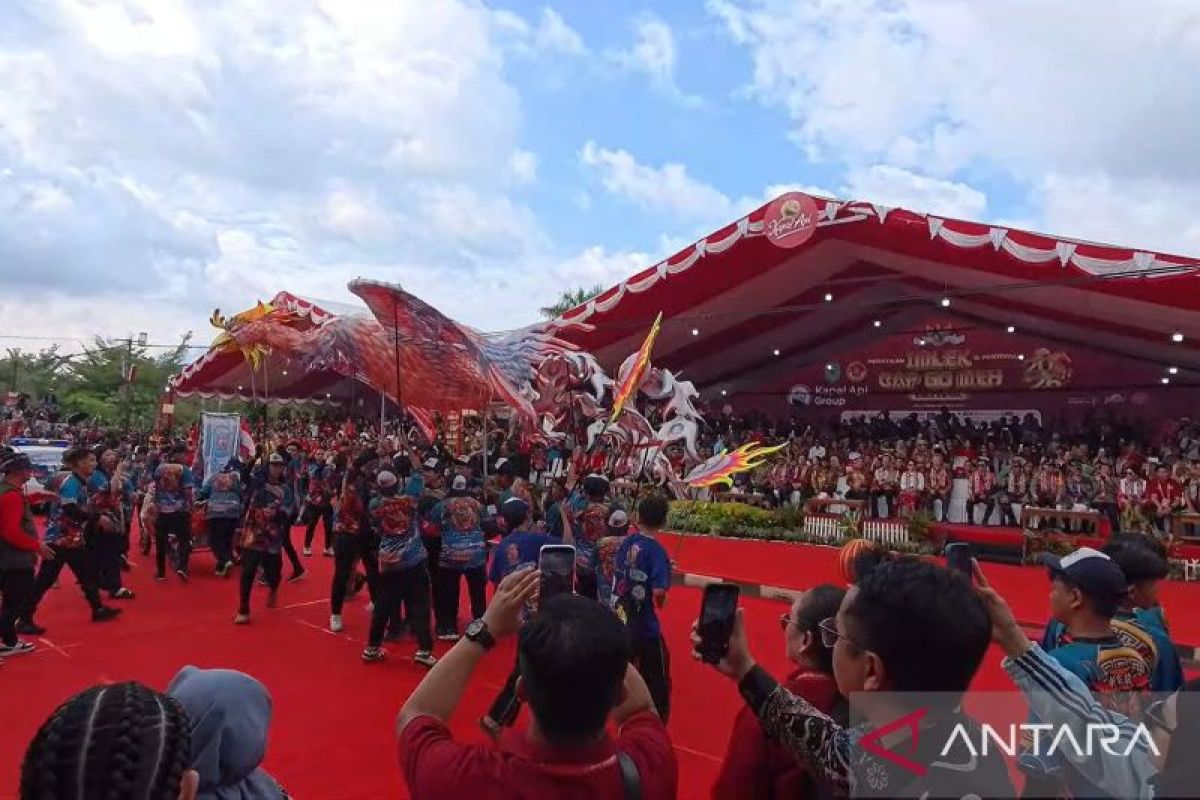
The surge in occupancy rates confirms Singkawang’s status as a cultural tourism magnet capable of driving the regional economy through the power of tradition and an annual events calendar.
The Cap Go Meh Festival 2026 in Singkawang is far more than a cultural celebration. This annual momentum has become an economic driver, tourism promoter, and catalyst for regional development.
From lantern-lined streets to captivating cultural parades, Singkawang demonstrates itself as a harmonious city with global appeal.
Singkawang Mayor Tjhai Chui Mie affirmed that this year’s celebration serves to strengthen the city’s position as an inclusive and competitive culture-based tourism destination.
“With support from all quarters, Singkawang is optimistic about continuing to develop as a harmonious, advanced, and competitive city at both national and international levels,” Tjhai Chui Mie said during the Cap Go Meh celebration in early March.
The cultural event, which has featured in the national tourism calendar, annually attracts various government ministries. This year, it was attended by several high-ranking state officials and international figures, including Infrastructure Coordinator Minister Agus Harimukti Yudhoyono, Interior Minister Tito Karnavian, intelligence figure AM Hendropriyono, national leader Oesman Sapta Odang, and Chinese Ambassador to Indonesia Wang Lutong.
Their presence serves as evidence of recognition for Singkawang’s Cap Go Meh as a premier cultural tourism agenda with international appeal.
Tito Karnavian expressed impressment at the social harmony maintained in Singkawang. “I have been invited to attend the Cap Go Meh Festival in Singkawang four times, but this is the first time I could witness it directly. I am proud to see the community is very tolerant,” he said.
According to Tito, people of all ethnicities and religions gather to watch the cultural parade, with non-Muslim residents even showing respect to Muslim citizens observing the Ramadan fast. “This condition reflects the principle of Bhinneka Tunggal Ika—unity in diversity, different yet remaining one Indonesia,” he said.