
Culture and Tourism Ministers Emphasise Synergy of Cultural Assets to Boost Tourist Arrivals
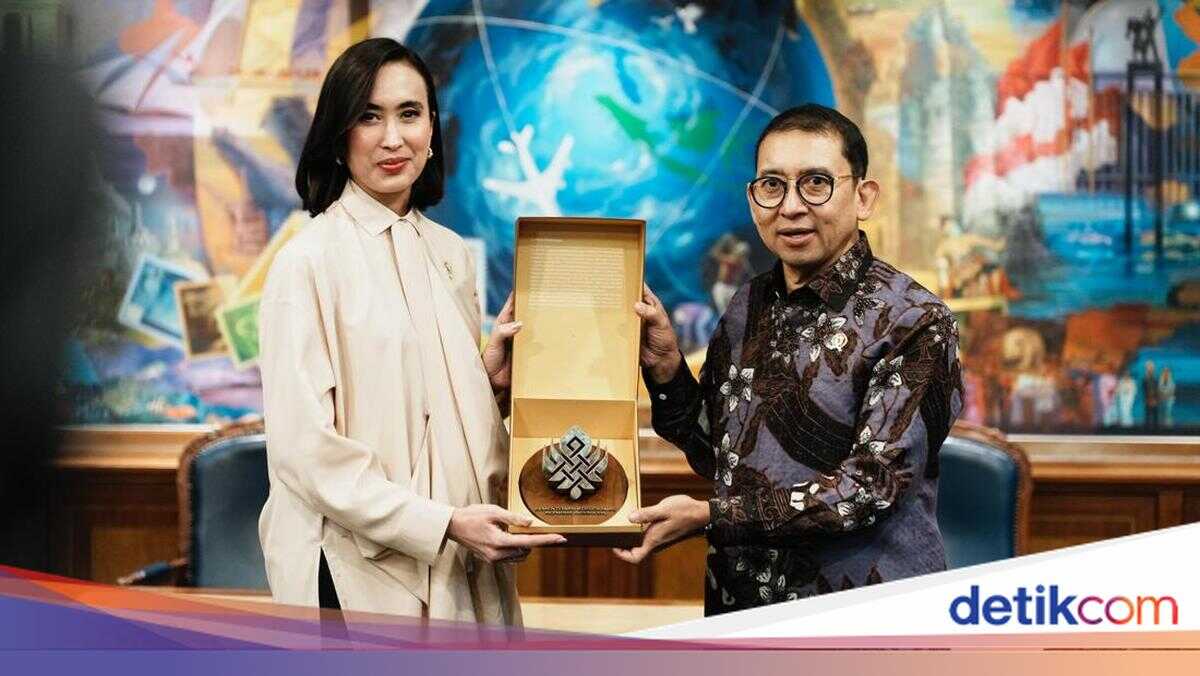
The Indonesian Minister of Culture (Menbud), Fadli Zon, held a strategic meeting with the Minister of Tourism, Widiyanti Putri Wardhana, at the Sapta Pesona Building in Jakarta. The meeting aimed to strengthen synergy in the development of culture-based tourism destinations.
Discussions during the meeting included the integration of data on National Cultural Heritage Sites and Intangible Cultural Heritage (ICH), strengthening the cultural event ecosystem, developing tourism itineraries, optimising digital promotion, and fostering cultural diplomacy at the international level.
At the start of the meeting, Menbud Fadli Zon emphasised the importance of aligning the programmes of both ministries to have a tangible impact on the community and the growth of the national tourism sector.
“Culture and tourism are closely related. This collaboration is key to ensuring that our cultural potential truly contributes to increasing tourist visits,” Fadli said in a written statement on Wednesday (25 February 2026).
Fadli explained that the Ministry of Culture currently manages 313 National Cultural Heritage Sites and 2,727 ICH sites, with an additional 514 new ICH sites in 2025. This potential is considered to be not yet fully maximised as a strength for cultural, historical, religious, or culinary tourism destinations.
Packaging and narrative are important elements in building a sustainable cultural tourism ecosystem.
Regarding the management of priority sites, Fadli explained that several areas, such as Borobudur Temple, Prambanan Temple, the Ratu Boko complex, and Plaosan Temple, are already part of a collaborative management scheme with InJourney.
The government is also strengthening the Dieng Temple complex and the Muara Jambi Temple complex, including the construction of Kedaton Temple and Koto Mahligai, as well as the inauguration of the Sriwijaya Dharmakirti Museum next year.
Regarding Borobudur, Fadli believes that the number of visitors can still be optimised. Currently, the quota of visitors who can access the main structure is around 4,000 people per day.
“The installation of a chattra is expected to make Borobudur a living heritage site with both spiritual significance and global appeal. We hope this will increase the number of domestic and international tourists,” Fadli said.
In addition, Fadli highlighted the potential of historical and archaeological destinations such as Banda Neira with its Spice Route narrative, colonial forts in the Moluccas, and the Leang-Leang area in South Sulawesi and Leang Metanduno in Muna, which are approximately 67,800 years old and have been published in international scientific journals.
This grand narrative of civilisation and history is considered to have great potential for development in an integrated tourism itinerary. In the fields of film and visual arts, the Ministry of Culture consistently supports the participation of Indonesian filmmakers in various international film festivals and hosts the Jogja-NETPAC Asian Film Festival (JAFF).
This year, Indonesia will also participate in the Venice Biennale by sending 14 visual artists as part of cultural diplomacy, which also serves as a platform to promote Indonesian tourism.
In response, Minister of Tourism Widiyanti Putri Wardhana welcomed this synergy and affirmed that her ministry is focused on strengthening the promotion and infrastructure of destinations, including through the digital platform indonesia.travel.id, which has been equipped with AI-based trend analysis features.
“We need data support and storytelling from the Ministry of Culture so that museums and cultural heritage sites can be more prominent on our digital platform. Young people seek information online, and we must make the most of this,” said Widiyanti.
Widiyanti added that the target of increasing visits by 14%, with a goal of 17 million international tourists, requires strengthening experience-based tourism promotion.
The Kharisma Event Nusantara (KEN) programme, which this year includes 145 events, is considered to be a platform for integrating cultural events to have a broader economic impact.
For information, Fadli was accompanied by the Director-General of Diplomacy, Promotion, and Cultural Cooperation, Endah TD Retnoastuti; Director-General of Cultural Protection and Traditions, Restu Gunawan; Director-General of Development, Utilisation, and Fostering of Culture, Ahmad Mahendra; and Special Staff to the Minister for Protocol and Household Affairs, Rachmanda Primayuda.
Also present were officials from the Ministry of Tourism, including Secretary of the Ministry of Tourism, Bayu Aji; Special Staff to the Minister for Legal Affairs and Accountability, Bambang Andikaning Prang; and Special Staff to the Minister for Strategic Studies, Liuz Lady Inez Dominique.
This meeting is a concrete step towards building a culture-based tourism ecosystem from start to finish, from protecting and strengthening assets, improving the quality of events, integrating data, to global promotion. The synergy between the Ministry of Culture and the Ministry of Tourism is expected to not only increase the number of tourist visits but also strengthen Indonesia’s position as a centre of civilisation and culture in the world.
(akd/ega)