
Cultural tourism can be strengthened through historical areas
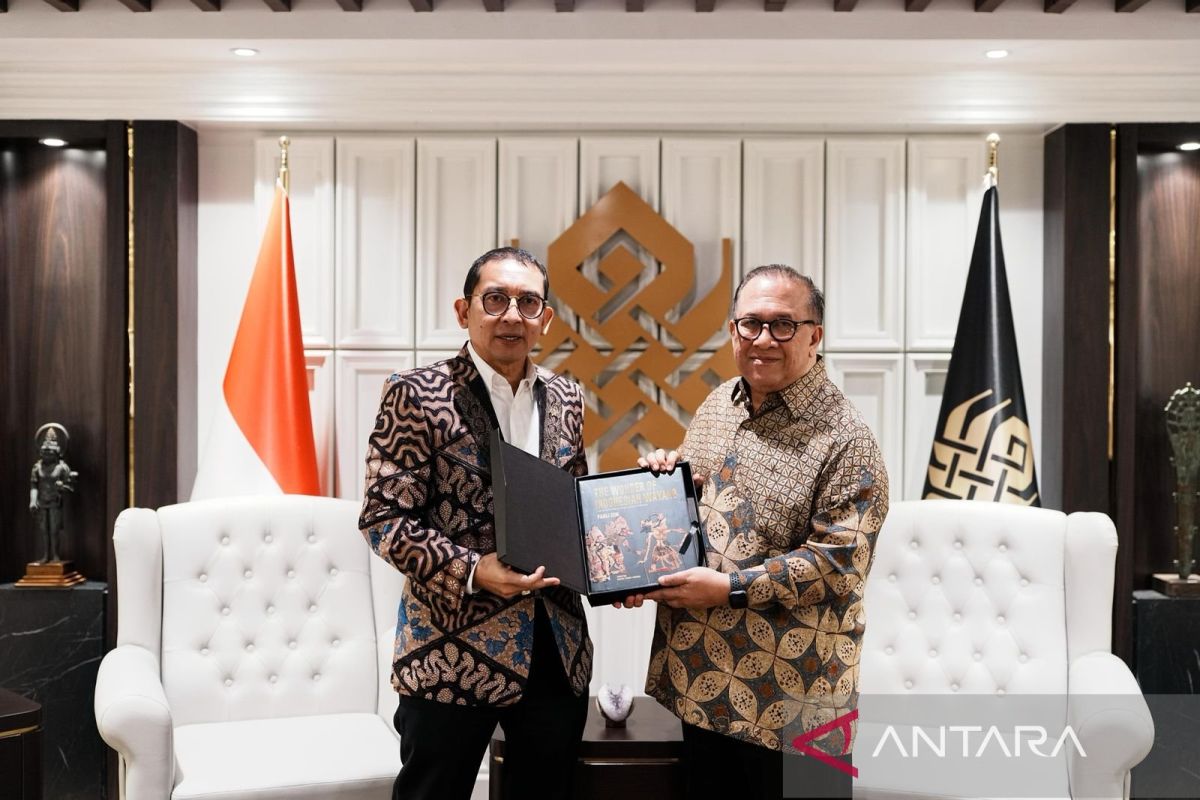
Jakarta (ANTARA) - Culture Minister Fadli Zon stated that the development of cultural tourism is one of the main focuses that needs to be strengthened, including the management of historical areas such as palaces and keratons scattered across various regions in Indonesia. “We work from upstream to midstream and downstream. Tourism should pass through us. Therefore, we want to improve various cultural potentials, including palaces and keratons throughout Indonesia,” the Culture Minister said in an official statement confirmed from Jakarta on Tuesday. The Culture Minister again reminded of the importance of Intellectual Property (IP), which he conveyed during a meeting with the Deputy Minister of Tourism and Creative Economy for the 2011-2014 period, Sapta Nirwandar. According to him, the utilisation of IP in the management and commercialisation of cultural heritage is also a strategic step that can be applied in Indonesia, while still maintaining the values of authenticity and preservation ethics. Indonesia’s cultural wealth opens up great opportunities in developing derivative products such as high-quality souvenirs with strong artistic and economic value. “If we can develop high-quality cultural derivative products, this is not just ordinary souvenirs, but professionally reproduced by involving local artisans, thus providing added economic value while expanding public access to cultural heritage,” the Culture Minister continued. Sapta Nirwandar conveyed ideas for collaborating with various countries to organise international cultural activities that emphasise cultural similarities, such as bamboo-based crafts. “In addition to being part of the preservation of nature and culture, bamboo also has great potential as a raw material for the creative industry. Various innovative products have been produced in various countries, from musical instruments and furniture to functional products such as bicycles and other bamboo-based instruments,” he stated. The meeting also discussed the development of tourism and creative economy based on religion and culture, such as the utilisation of Borobudur Temple and Prambanan Temple. In addition, the discussion covered the utilisation of cultural spaces for sports-based tourism, for example, Tour de Singkarak and Borobudur Marathon. The meeting ended with an agreement to continue discussions and intensive coordination to obtain the right formula in developing the cultural-based tourism and creative economy industries. It is hoped that in the future, the development of these industries can provide positive economic impacts for Indonesia.