
Cuba's Energy Crisis: UN Proposes Emergency Aid of Rp 1.5 Trillion
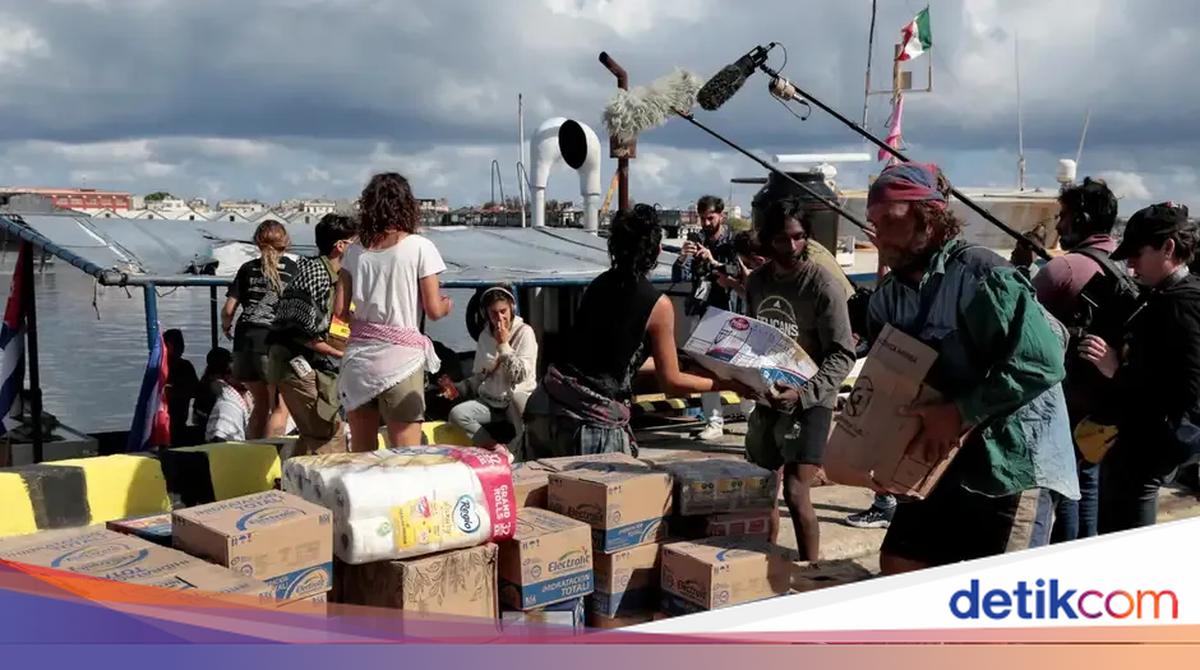
The United Nations (UN) has proposed an “action plan” to assist Cuba, which is grappling with a crisis, including fuel usage tracking, amid discussions with the United States (US) to allow energy sources for humanitarian aid, a senior official said on Wednesday (25/3).
The plan, valued at US$94.1 million (approximately Rp1.50 trillion), is proposed to keep essential services running for the most vulnerable groups in the country, said Francisco Pichon, the UN coordinator in Cuba.
Why is Cuba experiencing an energy crisis?
“If the current situation continues and the country’s fuel reserves run out, we are concerned about a rapid deterioration, with the potential loss of lives,” he told journalists.
“The sustainability and implementation of this action plan clearly depends on a fuel-related solution,” he added.
At the end of January, Donald Trump threatened to impose tariffs on any country selling or supplying oil to Cuba, while pushing for a change in the island’s political model. This effective blockade has deepened the country’s energy and economic crisis.
The impacts are felt in the electricity sector, tourism, airlines, and basic civil functions such as sanitation. The UN previously reported that shortages of electricity and fuel have even led to the cancellation of thousands of medical operations and worsened air quality, as people are forced to burn wood for cooking.
The UN is now in discussions with Washington to allow fuel for humanitarian purposes.
Pichon said the proposed plan includes a “fuel tracking model” to “try to reach an agreement, a pathway to gain access to fuel.”
The US is in early-stage talks with Cuba
Washington and Havana are currently in the early stages of talks, Cuban President Miguel Díaz-Canel said on Wednesday (25/3), adding that former Cuban leader Raúl Castro is also involved.
Díaz-Canel discussed Castro’s involvement in an interview with Spanish left-wing leader Pablo Iglesias, published by state media.
“First, we must build channels of dialogue. Then we must build a shared interests agenda for the parties, and the parties must show willingness to move forward and truly commit to a programme based on discussing that agenda,” Díaz-Canel told Iglesias.
The Trump administration demands that Cuba release political prisoners and move towards political and economic liberalisation in exchange for ending the blockade.
Trump has not hidden his desire for regime change in Cuba, and has even mentioned the possibility of a “friendly takeover” of the island. Recently, he also said he would feel “honoured to take over Cuba, soon.”
Raúl Castro, Fidel Castro’s brother who is now 94 years old, is still considered one of the most influential figures in the country.
When asked if Castro would have a role in the dialogue efforts, Díaz-Canel said, “They are also trying to speculate that there is a split in the revolutionary leadership.”
Castro, he said, “is one of the figures who is with me and works with other branches of the Party (Communist), government, and state, guiding how we should conduct this dialogue process, if such a dialogue truly takes place.”
Mexico will maintain cooperation with Cuban doctors
In another development related to Cuba, Mexican President Claudia Sheinbaum said on Wednesday (25/3) that her country will continue to uphold the bilateral agreement with the island nation that allows Cuban doctors to work in Mexico.
“This is a bilateral agreement that greatly helps Mexico,” Sheinbaum told journalists.
This comes as several other countries in the region have halted similar agreements after facing pressure from the United States.
US Secretary of State Marco Rubio, who was born in the US to Cuban parents, called the programme a “form of human trafficking.”
In response to Sheinbaum’s statement, the White House referred to Rubio’s statement in June 2025 when the US announced restrictions on Central American officials with ties to what Cuba calls a “forced labour scheme.”