
Cuba's Energy Crisis: China Sends Solar Panels Amid US Blockade
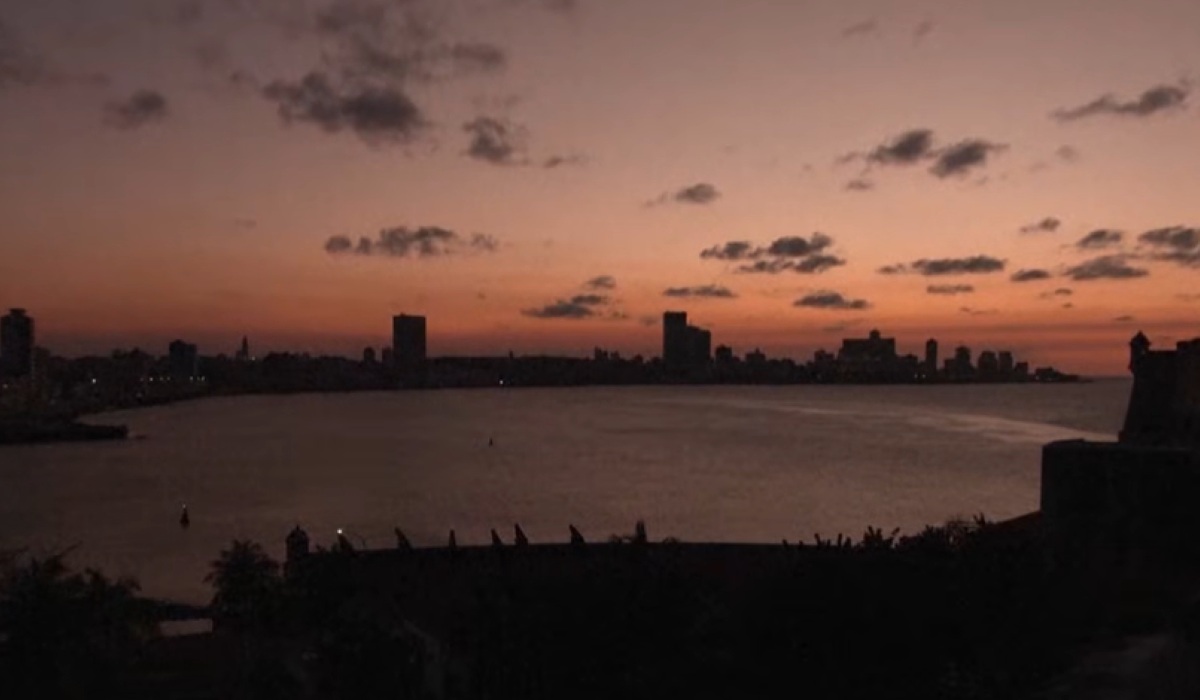
Cuba is in the grip of its most severe energy crisis in decades. Amid the choking pressure of the US oil blockade, China has emerged as a key player accelerating the Caribbean island’s transition to renewable energy.
Beijing’s move is not merely humanitarian aid but a sharp geopolitical manoeuvre at a time when the Donald Trump administration has withdrawn from global climate commitments and doubled down on fossil fuels.
Tensions have escalated after President Donald Trump openly stated his intention to pressure the Cuban government into submission in negotiations. The strategy involves cutting off oil supplies and launching aggressive military rhetoric.
“I would feel honoured to take over Cuba,” Trump said on Monday (16/3). When asked about diplomatic or military methods, he added, “Taking Cuba in any form. I think I can do whatever I want. They are a very weak nation right now.”
That statement is taken seriously by international observers, given the US military’s recent track record of capturing Nicolás Maduro in Venezuela and striking the Iranian leader.
As Cuba’s national power grid suffers total failure causing mass blackouts, China continues to send equipment, expertise, and financing. Spokesperson for the Chinese Embassy in Washington, Liu Pengyu, emphasised that this cooperation aims to protect the Cuban people’s right to life from external interference.
Analyst from Ember, Dave Jones, described this as one of the fastest solar revolutions in the world. “Cuba may be in the midst of the most rapid solar revolution, surpassing many other countries, including the United States, in terms of the share of solar power in electricity,” he said.
Unlike other countries like Pakistan where solar panel installations are done independently by residents, in Cuba, Chinese companies are directly carrying out large-scale rapid installations. They are not only selling goods but building strategic infrastructure that can transform the national energy landscape in weeks.
However, this energy support is not without security suspicions. The US accuses China of building listening stations in Cuba capable of collecting electronic intelligence in the southeastern United States. The presence of these Beijing-linked sites is clouding trilateral relations between Washington, Havana, and Beijing.
Although solar capacity is increasing dramatically, Cuban President Miguel Díaz-Canel acknowledged that his country still cannot fully break free from oil dependency. “Even with everything we’re building, we still need oil,” he said in a national address.
What is the main cause of blackouts in Cuba? Total failure of the national electricity system due to a fuel shortage triggered by the US economic blockade.
How significant is China’s role in Cuba’s energy? China provides solar panel technology and financing, increasing the solar energy contribution from nearly zero to 10% in one year.
Is solar power sufficient for Cuba’s needs? Not yet. Although growing rapidly, Cuba still needs large-scale battery storage systems to address electricity deficits at night. (Washington Post/I-2)