
CSIS: Overlapping Regulations Hinder Climate Change Action
Jakarta — The Centre for Strategic and International Studies (CSIS) has stated that climate change policy governance in Indonesia continues to face numerous challenges, ranging from overlapping regulations to coordination problems between central and regional governments.
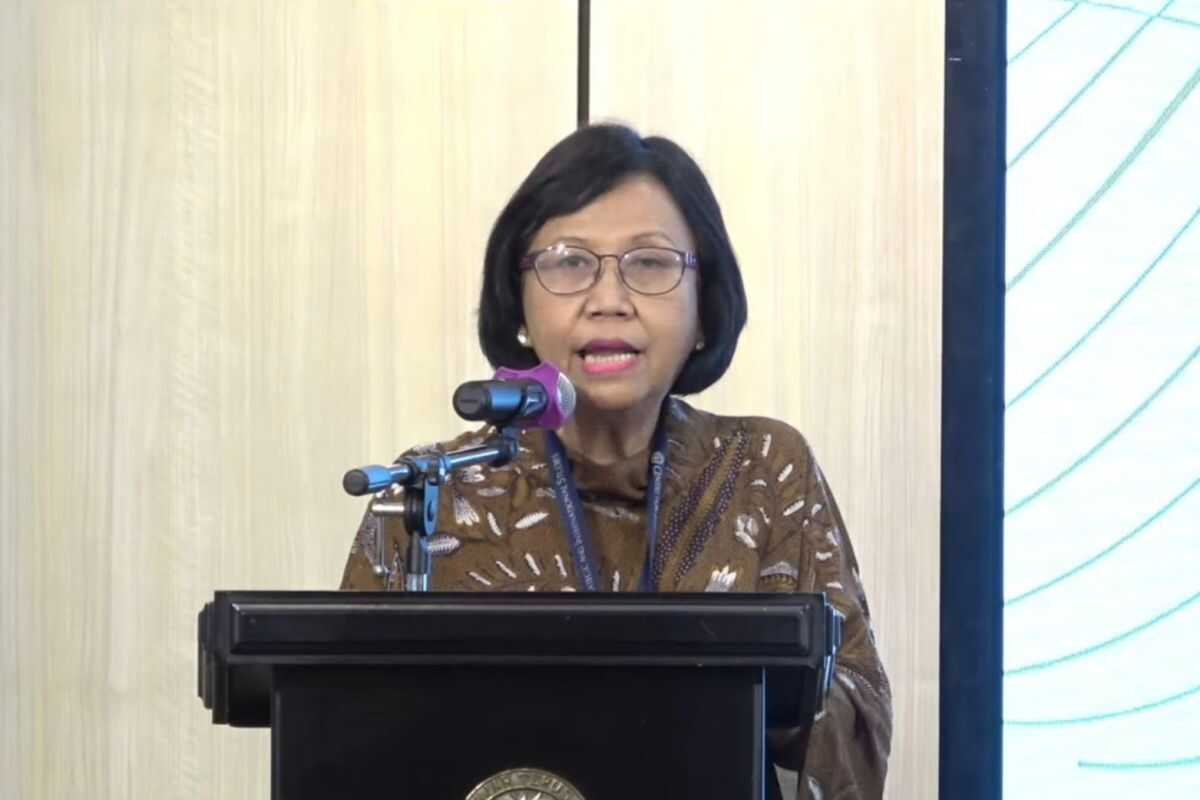
“CSIS research findings demonstrate that Indonesia’s climate policy governance still faces various challenges such as overlapping regulations and overlapping authorities, which result in suboptimal climate change management,” said CSIS Executive Vice-Director Medelina K. Hendytio in Jakarta on Wednesday.
Medelina’s statement was delivered at a research dissemination event titled “Climate Change Policy Landscape in Indonesia: Critical Reflection, Central-Regional Relations, and Challenges.”
She explained that based on CSIS findings, climate policy management at both central and regional levels has not performed optimally due to overlapping jurisdictions, weak coordination among regional governments and between central and regional governments, and limited technical capacity.
“Yet ignoring climate change is not a cost-saving solution. The costs of disasters, infrastructure damage, agricultural productivity losses and public health impacts would be far more expensive,” she said.
Additionally, regions face pressure from resource and mineral-based investment, short-term development needs, and limited capacity to design adaptation and mitigation policies.
Medelina stressed the importance of bold and visionary regional leadership, including strengthening oversight of natural resource exploitation such as forests, mines and land.
“Excessive exploitation of forests, mines and land, oriented solely towards corporate profit and interests, often results in disaster for communities,” she said.
According to her, climate justice must be a priority concern, given that groups contributing least to emissions are often the most affected, such as smallholder farmers, traditional fishers, coastal communities, women and other vulnerable groups.
“If climate policy focuses solely on emission reduction targets without paying attention to the distribution of its social impacts, we risk creating new injustices,” she said.
These research findings, she noted, serve as input for the process of drafting a climate change governance law currently being debated in the Indonesian Parliament.
Future regulations are seen as needing to clarify the division of authority between central and regional governments, strengthen climate justice principles, emphasise the importance of adaptation, and build strong accountability mechanisms.