
CSIS: Indonesia-US ART Trade Agreement Difficult to Call Economically Beneficial
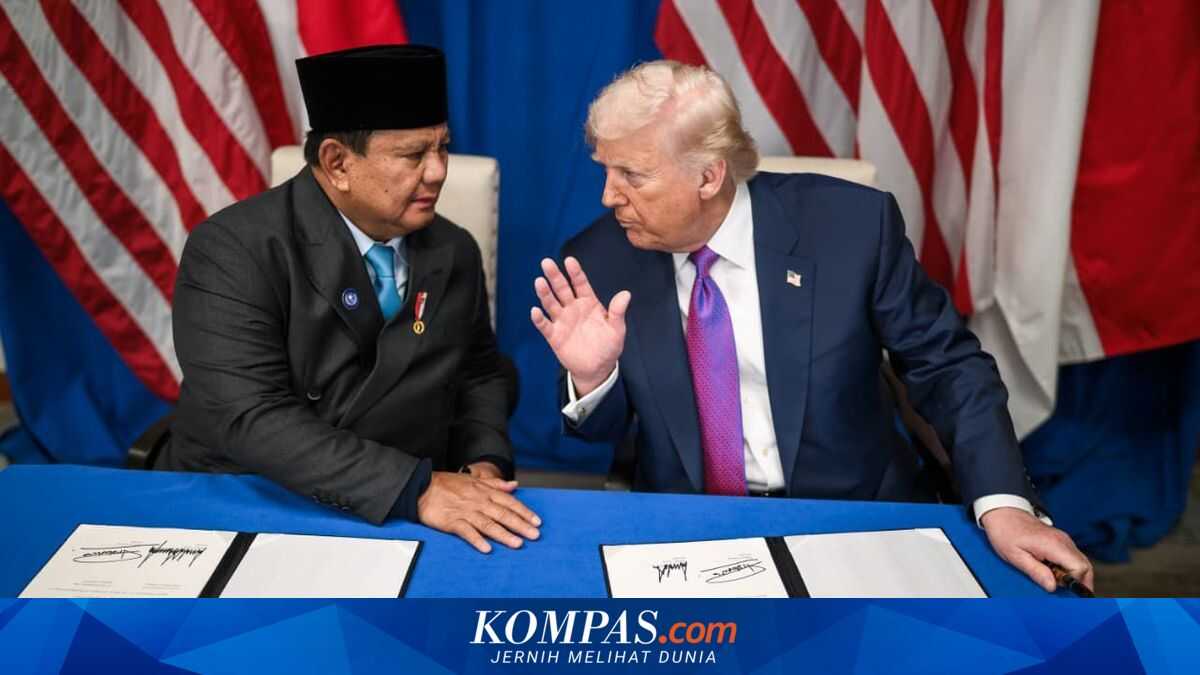
JAKARTA – Riandy Laksono, a researcher at the Centre for Strategic and International Studies (CSIS), has assessed that the Agreement on Reciprocal Trade (ART) between Indonesia and the United States has not yet delivered tangible economic benefits.
Laksono analysed the agreement from a static economic perspective and found no significant direct advantages for Indonesia under current conditions. “If I look at this from the perspective of static economics, I do not see economic benefits. I do not see economic benefits from a current static perspective,” he stated during a media discussion titled “Reciprocal Trade Agreement: Red Carpet or Trade Trap?” in Central Jakarta on Friday, 27 February 2026.
The textile sector, one of Indonesia’s key export pillars, has yet to secure certainty regarding zero-percent tariff facilities under the agreement.
Laksono cautioned that Indonesia faces potential geopolitical consequences from the accord. The implications for relationships with countries that have traditionally been sources of investment must also be considered. He argued that the agreement is difficult to categorise as economically advantageous when viewed purely from an economic standpoint. The ART is better understood as a dynamic strategy linked to geopolitical considerations rather than merely pursuing short-term economic gains.
Laksono warned that the agreement does not guarantee Indonesia will be shielded from protectionist policies or trade pressure in the future. Even countries with close ties to the United States remain vulnerable to such measures.
Regulatory changes are required, ranging from presidential decrees to legislation. Such processes are complex both politically and administratively. Laksono assessed that Indonesia’s decision to join the ART reflects long-term strategic considerations more than direct economic benefits in the near term.
He cautioned that economic gains could be limited if structural reforms cannot be effectively implemented. “I could argue that the economic benefits might be negative overall if we disregard structural reform. Because we want structural reform, but it is not guaranteed we can achieve it. That is the point. We need to pay attention to the fact that we need to change many presidential decrees, change many laws and so on. It is not easily done,” he concluded.