
Criticism of Polri Non-Commissioned Officers Training Only 5 Months, Former Deputy Police Chief: They Can Only Salute, March, and Run...
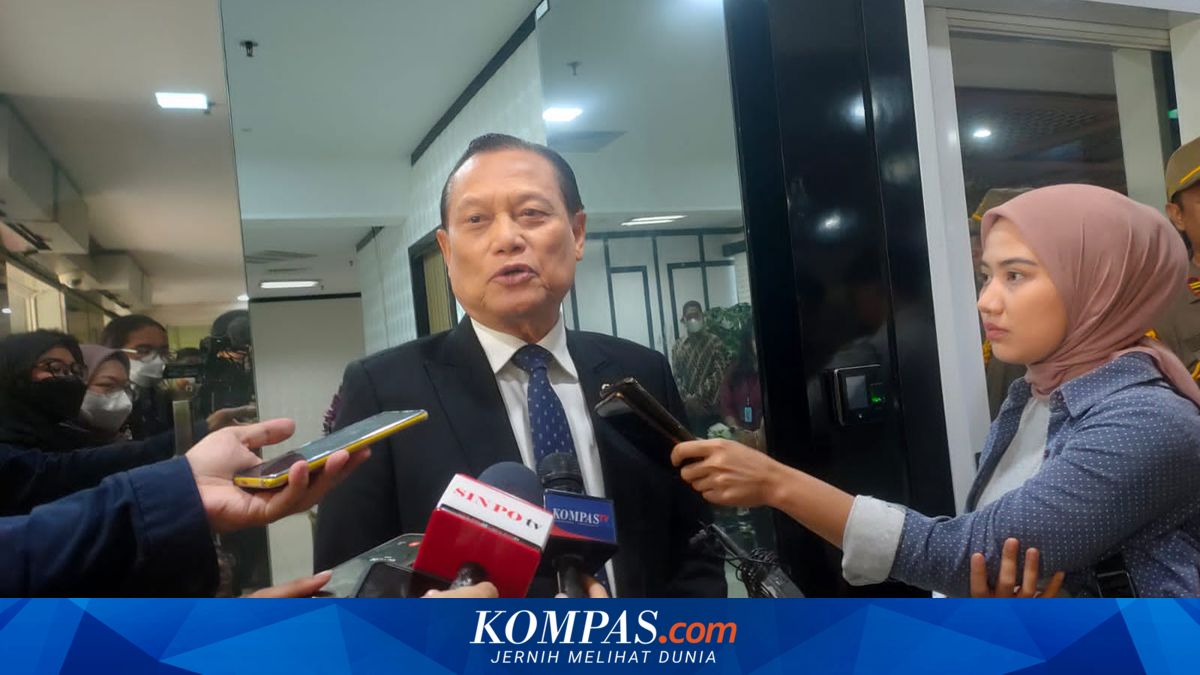
JAKARTA - A member of the DPR’s Commission III from the PKS faction and former Deputy Police Chief, Komjen (Ret.) Adang Daradjatun, has criticised the Polri non-commissioned officers’ training programme, which lasts only five months. These trainees are set to become police officers with the rank of Bripda. Adang questioned Acting Head of Polri Education and Training, Irjen Andi Rian Djajadi, on what is expected from officers trained for just five months. “Let’s be fair in this room. With five months, what can be expected? Be open with us. To be honest, if the Polri non-commissioned officers’ training is still five months, it’s very challenging now. Because we know that the foundation of the police force lies in its non-commissioned officers,” Adang said during the Commission III DPR meeting at the DPR Building in Senayan, Jakarta, on Thursday (2/4/2025). “That’s my question, is it still five months now? Please, fellow lawmakers, forgive me for passing this on again. If a police officer is trained for only five months, he can only salute, march, and run, right?” he explained. Therefore, Adang requested support from other Commission III DPR members for additional funding for the Polri non-commissioned officers’ training. He emphasised that the true backbone of Polri is in the non-commissioned officers. Adang also urged the Polri Education and Training Centre to extend the duration of the non-commissioned officers’ training. “Because no matter what, after the general non-commissioned officers’ training, if it is not followed by specific advanced schooling, cases arise that Commission III has found, yes. The examiners and investigators in the field who come straight from training, perhaps entering as examiners, they don’t know how the investigation process works,” he added.