
Criminologist: Readiness in the digital space to prevent a global domino effect
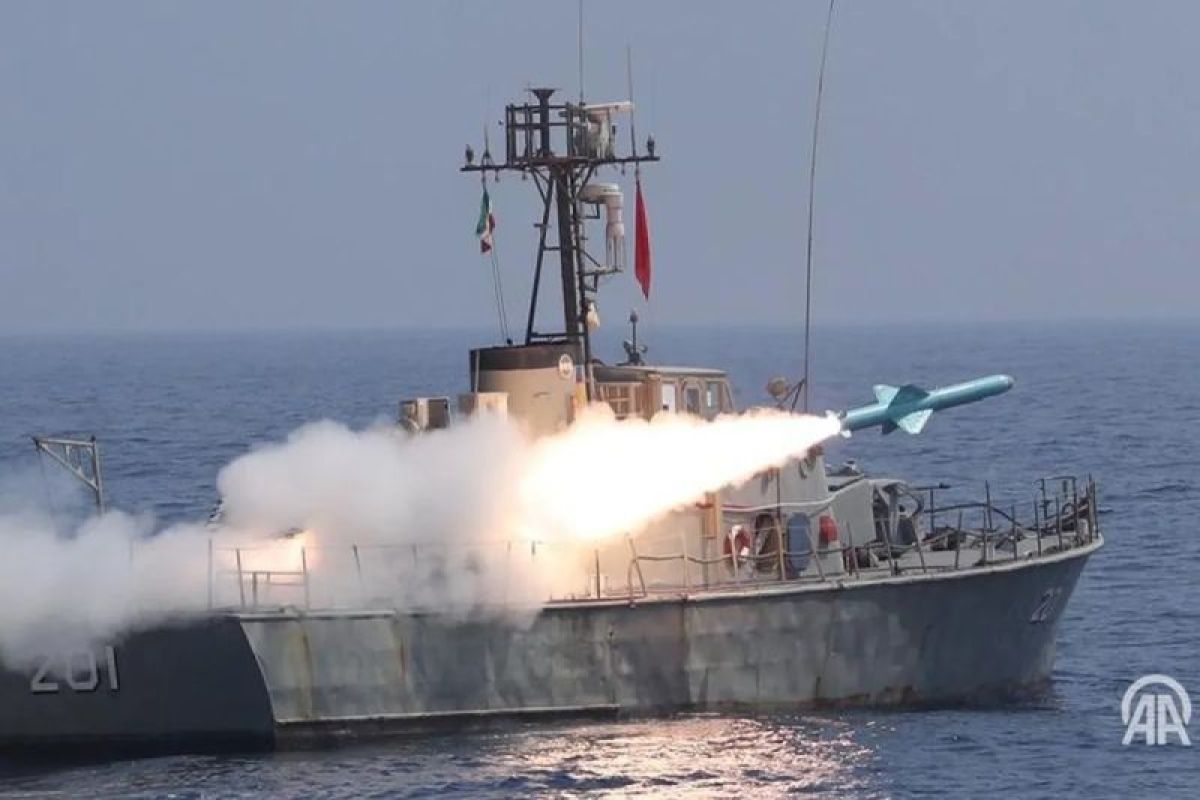
Jakarta — A criminologist from the University of Indonesia, Tegar Bimantoro, says readiness in the digital space and early detection are crucial to prevent the domino effect of global tensions between the United States and Iran from spreading to Indonesia. Although security forces such as the Indonesian National Armed Forces (TNI) and the Indonesian National Police (Polri), under the command of the TNI Commander and the Chief of Police, are confirmed to remain on full 24-hour alert to keep the situation conducive, he warns that geographic boundaries no longer apply in the spread of modern radicalism. ‘Global tensions and the visualisation of macro conflicts create great emotional strain, especially among individuals who already have ideological vulnerabilities,’ Tegar said in a statement received in Jakarta on Friday. According to him, when individuals feel frustrated watching global developments but are unable to change them politically, they may vent that pressure through deviant coping mechanisms, namely by carrying out domestic terrorism or local lone-wolf movements as a substitutive form of ‘revenge’. He explained that the escalation of tensions between the US and Iran is currently at its most critical point, triggering global concerns that begin to spill over into domestic security maps in various countries, including Indonesia. Tegar argued that the most immediate and dangerous impact for Indonesia from that tension is not an outright military attack, but manifestations of ideological crime domestically. ‘Although geographically Indonesia is not part of the Middle East or Western Asia,’ he said, ‘the latest statements by Iran’s Islamic Revolutionary Guard Corps (IRGC) could generate a significant domino effect for radical groups in Indonesia.’ On Wednesday (20/5), through their official channel Sepah News, the IRGC released a statement confirming that if military aggression against Iran’s sovereignty really takes place, the scale of the conflict will no longer be localised. The IRGC warned that they are prepared to carry a new war beyond the borders of the Middle East (Western Asia) to places ‘never imagined’ by Uncle Sam or Israel. Tegar noted that such dynamics open space for multiple perspectives and many threat scenarios that must be mapped for security analysis going forward. To read the short-term trajectory, he highlighted two crucial scenarios currently playing out on the surface: activation of sleeper cells and lone-wolf attacks, as well as anti-Western propaganda narratives and rapid radicalisation. It is stated that an open-war declaration from a group as large as the IRGC, which holds the status of a global terrorist organisation, could be a trigger for local extremist groups. He warned that the momentum of chaos could be exploited by sleeper cells to arouse and carry out domestic lone-wolf attacks, as a form of solidarity or taking advantage of the moment. On the other hand, he added, the escalation of US military action against Muslim countries is almost always ‘stirred up’ by local radical groups with various narratives. Thus, he emphasised that this step is the main fuel for online propaganda. ‘This condition triggers rapid radicalisation on social media, which facilitates recruitment of terrorist networks and directs anti-Western sentiment toward Western assets in Indonesia,’ said Tegar.