
Creative Economy Minister Pushes for Intellectual Property Certificates as Collateral for People's Business Credit
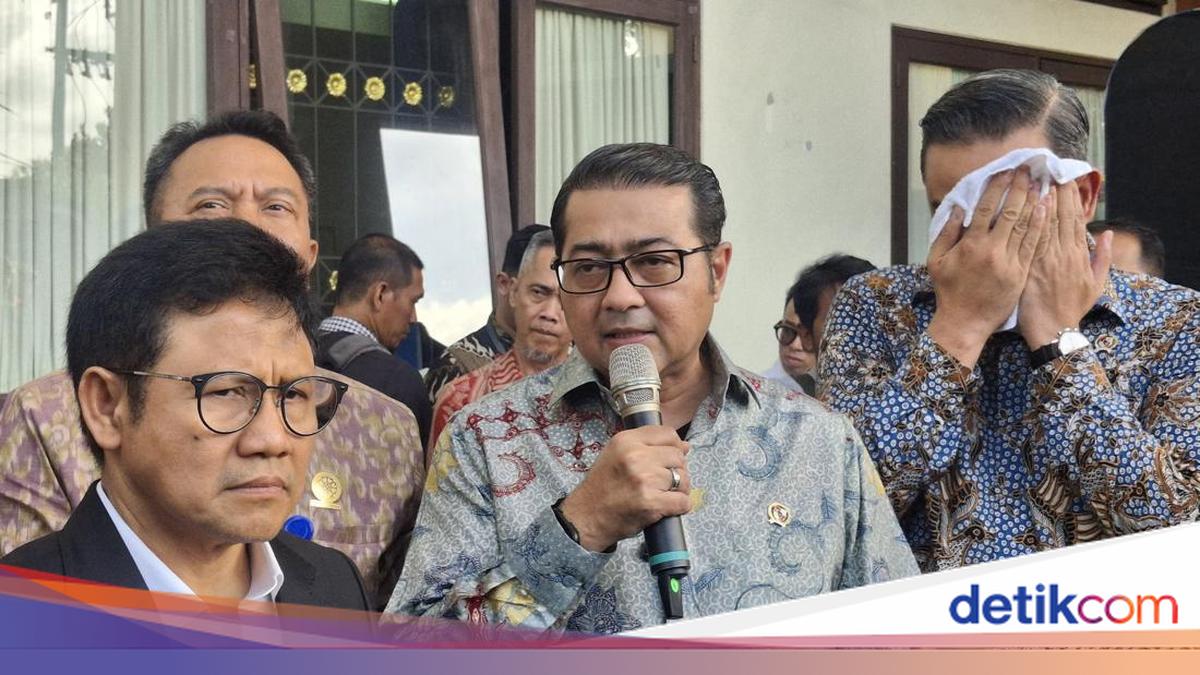
Creative Economy Minister Teuku Riefky Harsya is pushing for intellectual property (IP) certificates to be used as supporting collateral in the distribution of People’s Business Credit (KUR) for creative economy actors. He stated this at the Mass KUR Agreement Event for 1,000 Creative Economy SMEs and the Outstanding Entrepreneur Exchange in Bali province. “In the future, we will also strive to include IP certificates issued by the Ministry of Law as supporting collateral for KUR distribution,” he said on Wednesday (13/5/2026). According to him, this is driven by the main challenge facing creative economy actors today, which lies in intellectual property protection, not just access to financing. “So, ladies and gentlemen, today’s main challenge is not only creativity but also access to financing and intellectual property protection,” he said. The government has appointed 64 intellectual property appraisers. These appraisers are tasked with valuing IP so that it can be recognised as a supporting asset for financing in banking. “So, in the past, IP could not be taken to the bank, but today, in this first stage, IP can become supporting collateral. There are 64 IP appraisers, the first IP valuers in Indonesia’s history, who have been appointed and trained,” he explained. These IP appraisers, Riefky explained, received training from the World Intellectual Property Organization (WIPO), a United Nations agency focused on intellectual property. According to Riefky, the government believes that IP-based businesses will continue to grow and will be dominated by young generations, especially Gen Z and millennials. “Because President Prabowo and the government believe that IP businesses will grow even larger. And IP businesses are mostly from Gen Z and millennials,” he concluded.