
Create engaging activities to reduce device usage among children
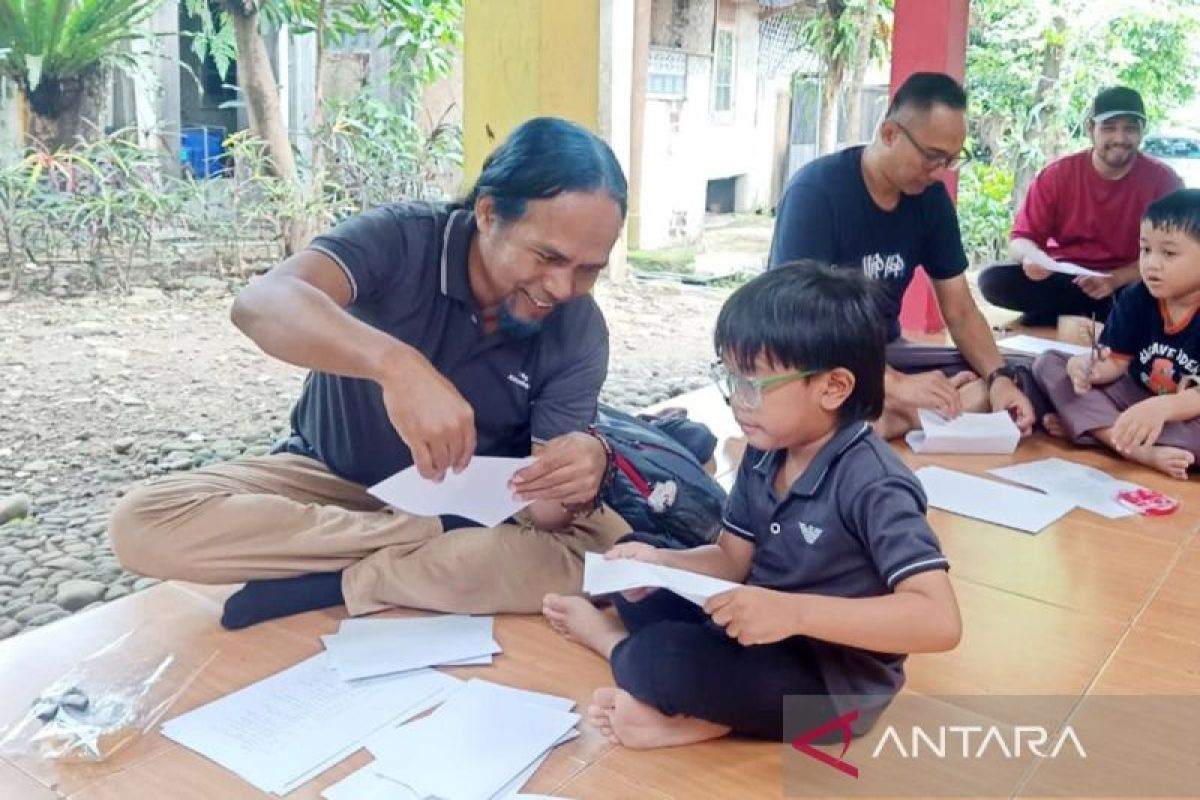
Jakarta — Prof Dr Rose Mini Agoes Salim, Dean of the Psychology Faculty at the University of Indonesia, has stressed the importance of families implementing activities to reduce excessive device usage among children.
Speaking to ANTARA in Jakarta on Thursday, the psychologist, commonly known as Prof Romi, acknowledged that the government’s restrictions on access to various digital platforms for children under 16 years old represent a positive step. However, she emphasised that the involvement of the family, as the child’s immediate environment, plays an equally important role.
“Ultimately, responsibility for limiting device usage also lies with those closest to the child — the family,” she said.
According to Prof Romi, family circumstances in daily life are highly variable. Some parents work full-time, which limits the time available for supervising their children. She noted that strategies to reduce device usage can be adapted to each family’s specific situation.
Supervision can be carried out by the father alone, the mother alone, or both parents together, depending on each family’s circumstances. She added that supervision could even be delegated to a trusted person if parents are busy, provided they follow a programme or activities planned by the parents for the child.
Prof Romi contended that simply restricting children from using devices without providing alternative activities is fundamentally ineffective. Children need other activities that are equally engaging, or even more engaging, than devices.
Therefore, parents must create alternative activities. If children are merely asked to stop using devices without other activities to do together, they will become confused about what to do instead. This is especially true if they are already accustomed to devices.
For example, parents could encourage children to write about reptiles by researching writing ideas whilst collecting photographs of animals around the house. Such activities can spark children’s curiosity, encourage them to move around actively, and shift their focus away from devices.
“Parents being physically near a child but not engaging with them will certainly make the child uncomfortable. Don’t just sit passively — provide certain stimuli. This will also be challenging and rewarding for the child,” she added.
Prof Romi emphasised that parents must build a strong bond with their children so that children feel every parental action is for their benefit. To this end, even when work is demanding, parents should still make time for their children.
“Especially for young children, direct activities stimulate their fine motor skills, emotional abilities, and cognitive abilities far better than virtual interactions,” she stated.
Previously, the Ministry of Primary and Secondary Education launched the #SatuJamBerkualitas (One Hour of Quality) initiative, inviting families to spend quality time with children through engaging activities amid rising device and social media usage among children and teenagers.
Additionally, the Ministry of Communication and Digital Affairs has issued ministerial regulation number 9 of 2026, which restricts access to digital platforms for children under 16 years old.