
CPO Prices Soar to 15-Month High, Palm Oil Bosses Grinning
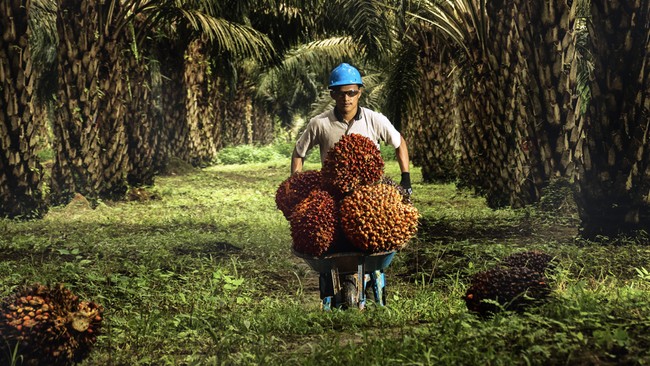
Jakarta, CNBC Indonesia - Crude palm oil (CPO) prices have strengthened again, reaching the highest level in more than a year.
Based on the FCPOc3 benchmark contract on the Bursa Malaysia, prices today, Tuesday (31/3/2026), have even surpassed the previous peak recorded on 17 December 2024, marking a new bullish momentum.
This rise is occurring amid a combination of external factors, from the strengthening of soybean oil prices in Chicago, the rally in crude oil prices, to the surge in Malaysian exports that bolsters market sentiment.
Breaks Highest Level Since December 2024
Trading data shows that the FCPOc3 price today (31/3/2026) touched MYR 4,828 per tonne, up 0.59% as of 8:00 WIB. This level surpasses the previous peak on 17 December 2024, which was around MYR 4,779 per tonne. CPO prices have also strengthened for four consecutive days, gaining 6.8%.
Palm oil prices are now at the highest position in about the last 15 months. Throughout 2025, prices faced pressure and moved below that level before strengthening again at the start of 2026.
If this trend continues, there is still potential for further strengthening, although the market remains susceptible to short-term corrections.
Driven by Oil, Soybean Oil & Global Energy Prices
The strengthening of palm oil prices is not happening in isolation. The CPO market is moving in tandem with other vegetable oils, particularly soybean oil, and is influenced by global energy price dynamics.
In the previous trading session, the CPO contract rose for three consecutive sessions, supported by the increase in soybean oil prices in Chicago and the rally in global crude oil prices. This rise in crude oil prices also enhances the attractiveness of CPO as a biodiesel feedstock.
Additionally, geopolitical tensions in the Middle East are driving up global oil prices, which indirectly provides positive sentiment to the palm oil market.
Export Surge & India’s Policy Strengthen Sentiment
From a fundamental perspective, Malaysia’s export performance is a key factor supporting prices. Surveyor data shows that Malaysian palm product exports for the period 1-25 March surged between 38.4% and 50.6% compared to the previous month.
Furthermore, the weakening of the Malaysian ringgit by 0.17% against the US dollar makes palm oil prices relatively cheaper for international buyers, thereby supporting demand.
This export increase reflects sustained strong global demand, while tightening supply in the international market.
On the other hand, India’s policy is also influencing market dynamics. India’s market regulator has extended the ban on derivatives trading for seven agricultural commodities, including CPO, until next March.
As the largest CPO importing country, this extension of the derivatives trading ban could trigger a rise in global CPO prices. Although aimed at curbing domestic volatility, this policy could potentially increase CPO demand.
Less transparent price signals could encourage panic buying or forward buying among importers, thereby tightening global supply further and strengthening prices.