
CPNS Recruitment 2026: Between Fiscal Burden and Bureaucratic Quality
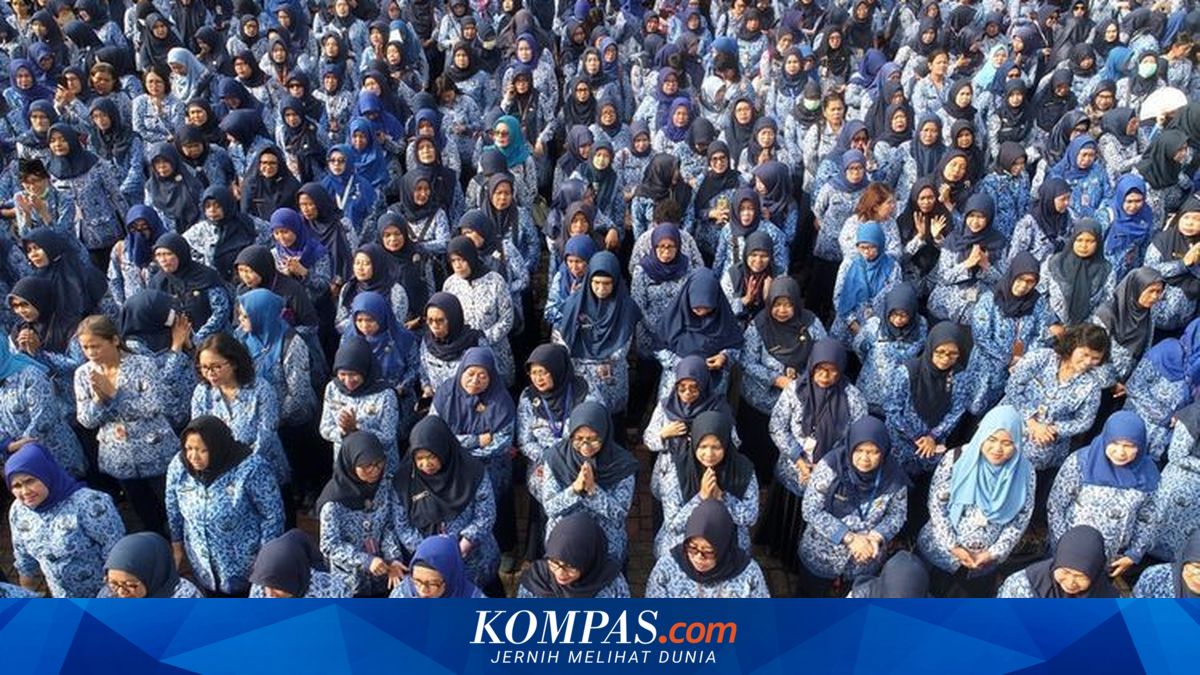
The government’s plan to open around 160,000 positions for Civil Service Candidates (CPNS) in 2026 marks an important phase in bureaucratic reform. On one hand, the need for apparatus to strengthen public services cannot be delayed. On the other hand, expanding the State Civil Apparatus (ASN) without precise planning risks adding to long-term fiscal burdens that are increasingly rigid. Indonesia currently has around 4.3 million civil servants to serve more than 270 million people. The ratio of about 1:60 is still considered moderate. However, debates about the number of ASN are often misleading when detached from the context of quality, distribution, and productivity. In contrast, Malaysia faces fiscal pressure due to its large employee expenditure. South Korea and Thailand opt for a middle path: maintaining a balance between the number and capacity of apparatus. In the Indonesian context, the main issue lies in distribution and composition. The greatest needs are in the regions, particularly in the education and health sectors. However, at the same time, there is still an accumulation of administrative employees in various agencies. As a result, recruitment often adds numbers without being followed by performance improvements. This is where the fiscal dimension needs to be placed more clearly. Based on the current salary structure, the majority of CPNS will enter grade III/a with an average income of around Rp 5–7 million per month. With a moderate assumption of Rp 6 million, one ASN requires around Rp 72 million per year. This means that recruiting 160,000 CPNS could potentially add a budget burden of around Rp 11.5 trillion per year—even approaching Rp 15 trillion if various additional components are taken into account. However, that burden is merely the initial layer. Employee expenditure is cumulative and tends to be difficult to correct. With a moderate salary increase assumption of around 3 percent per year, in 10 years one ASN could consume more than Rp 800 million of state budget. In aggregate, one wave of recruitment could absorb around Rp 130 trillion in one decade.