
Counterpoint: Top 5 Global Smartphone Brands in Q1 2026, Apple Leads as Samsung Closes In
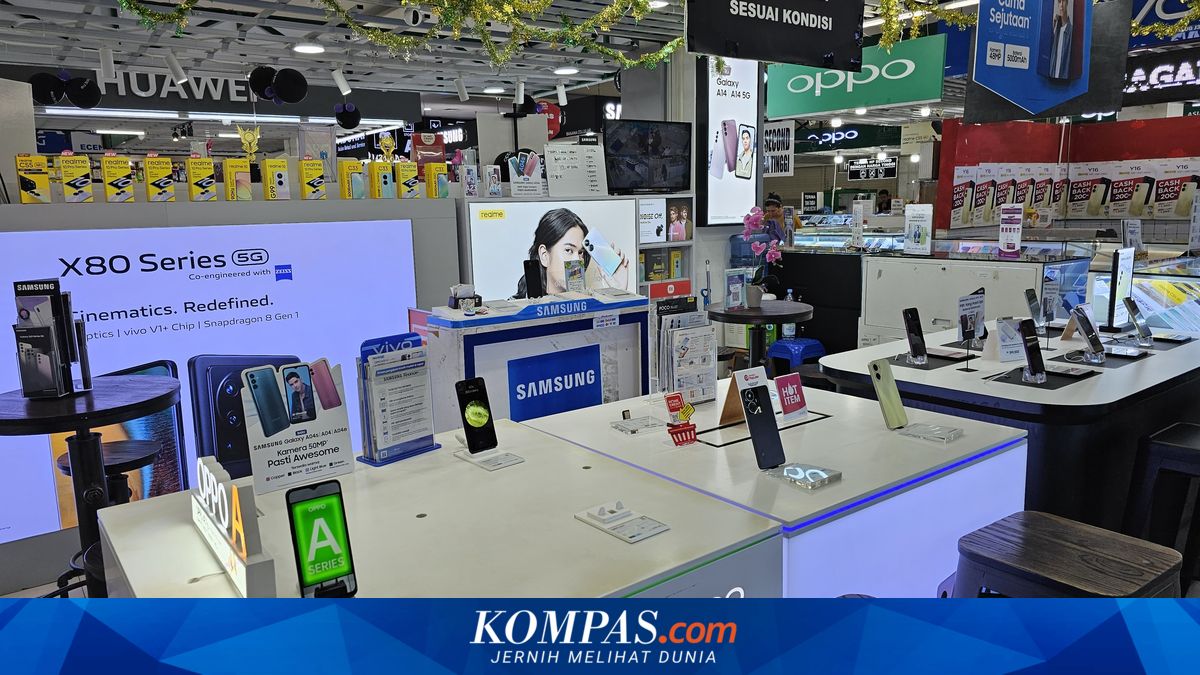
Market research firm Counterpoint Research notes that the global smartphone market weakened in the first quarter of 2026. During the January to March period, Counterpoint reported that smartphone shipments fell 6% year-on-year. The exact number of global smartphone units shipped in that period was not disclosed. However, according to Counterpoint Research Senior Analyst Shilpi Jain, this decline was triggered by shortages of memory components, particularly DRAM and NAND types, which impacted device supply and production costs. “Additionally, consumer purchasing interest remains weak amid global economic uncertainty and geopolitical tensions in the Middle East,” Shilpi explained in Counterpoint Research’s official blog. Shilpi continued that the memory shortage itself occurred because manufacturers prioritised supply for AI data centres over consumer devices. “This pressure is more pronounced in the entry-level and mid-range segments. Meanwhile, the premium segment is relatively more resilient to these production cost increases,” Shilpi added. Counterpoint forecasts that smartphone market pressures will persist throughout 2026, accompanied by a memory crisis predicted to last until the end of 2027. In such conditions, smartphone vendors, according to Counterpoint, are expected to adjust their strategies to focus more on value rather than sales volume. This includes strategies to reduce low-margin models, enhance device specifications, and rely on ecosystems and services to drive growth. On the other hand, the trend towards refurbished or second-hand devices is expected to gain popularity, particularly among consumers in the affordable price segment. From the same report, in Q1 2026, Counterpoint crowned Apple as the top-selling smartphone vendor. The iPhone maker held a 21% market share during that period, up 5% year-on-year. Counterpoint attributes this performance to high demand for the iPhone 17 lineup, as well as a supply chain strategy deemed better prepared to face the memory crisis. Additionally, aggressive trade-in programmes and a strong device ecosystem helped Apple sustain growth despite unstable market conditions. iPhone demand also increased in several key Asia-Pacific markets such as China, India, and Japan. Samsung’s decline was influenced by the delay in launching the Galaxy S26 flagship series, as well as weakening demand in the entry-level segment. Pressure on Xiaomi primarily stems from its reliance on the affordable smartphone segment, which is most affected by rising component costs.