
Cost Efficiency Becomes Key Consideration for Regional Consumers Purchasing Electric Vehicles
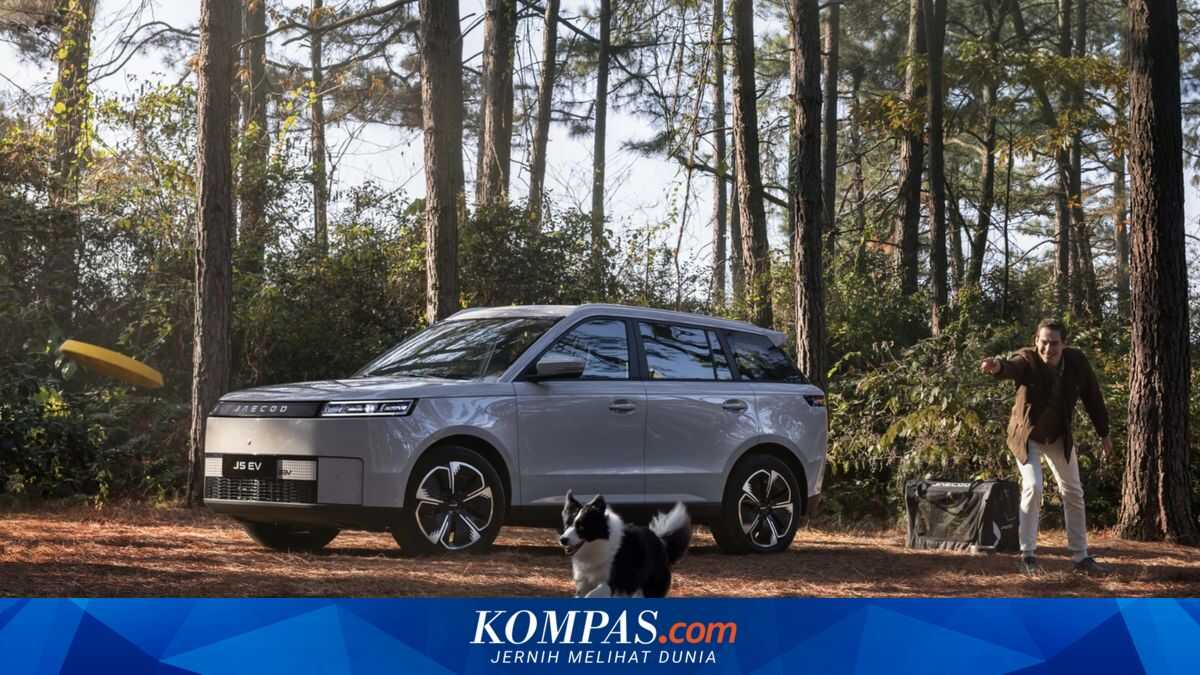
JAKARTA – The trend for electric vehicles in Indonesia is beginning to show a different pattern between Jakarta and several major cities outside Java. This context refers to the consumer profile of the Jaecoo J5 EV, which is increasingly spreading across various regions.
Head of Marketing Jaecoo Indonesia, Ilham Pratama, stated that J5 EV orders are coming not only from Jakarta, but also from Surabaya, Yogyakarta, Semarang, Denpasar, Medan, Batam, and Kalimantan areas such as Balikpapan. Currently, Jaecoo’s easternmost sales reach extends as far as Makassar.
According to him, consumers in Jakarta are generally driven by regulatory factors such as odd-even traffic restrictions. Meanwhile, outside the capital, the primary purchase consideration is more closely related to operational cost calculations.
He explained that regional consumers tend to calculate daily expenditure in detail. Lower electricity cost per kilometre compared to petrol fuel has become the main attraction, particularly for users with high mobility.
For context, non-subsidised household electricity tariffs currently range from Rp 1,400–1,700 per kWh. If an electric vehicle on average requires approximately 15–20 kWh to travel 100 kilometres, then travel costs range from Rp 21,000–34,000 per 100 km.
This figure is generally lower than petrol-powered vehicles which, with average consumption of 12–15 km per litre, can cost approximately Rp 80,000–100,000 for a similar distance, depending on the fuel price used.
Beyond the efficiency factor, the development of charging infrastructure has also built consumer confidence. Whereas previously public electric vehicle charging stations (SPKLU) were synonymous with PLN offices, such facilities are now increasingly found in hotels, shopping centres, and private commercial areas.
Based on PLN data, by early 2025 the number of SPKLU in Indonesia had reached more than 3,500 units distributed across more than 2,400 strategic locations, with the majority on the island of Java. The company is even projecting a total of charging stations, including SPKLU, to approach 4,500 units by mid-2025 to strengthen the national electric vehicle ecosystem.
Growth has continued. Until early 2026, the number of SPKLU in operation has exceeded 5,000 units and is distributed across various regions of Indonesia.
“Now the growth of SPKLU is quite substantial. Previously they were only at every PLN office. Now at several private facilities and public areas there are definitely charging points. Hotels definitely have them, or shopping centres. That makes it much easier,” he said.